

On-chain data:
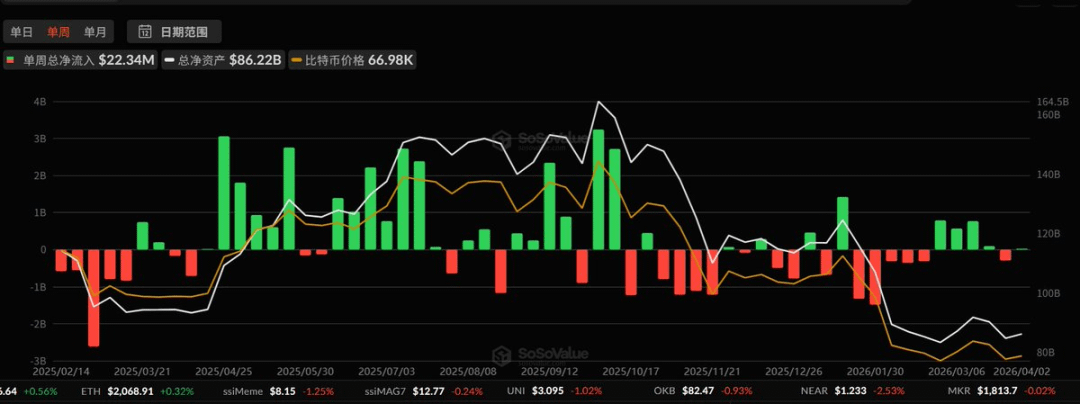
The first chart is very clear: Institutional funds for BTC spot ETFs have seen a net inflow depletion for three consecutive weeks, which is almost negligible. At this stage, there is no enthusiasm or interest from institutional buyers; it is all stagnant. Relying on a few remarks from Trump, do you really believe Bitcoin can rebound above 70,000?
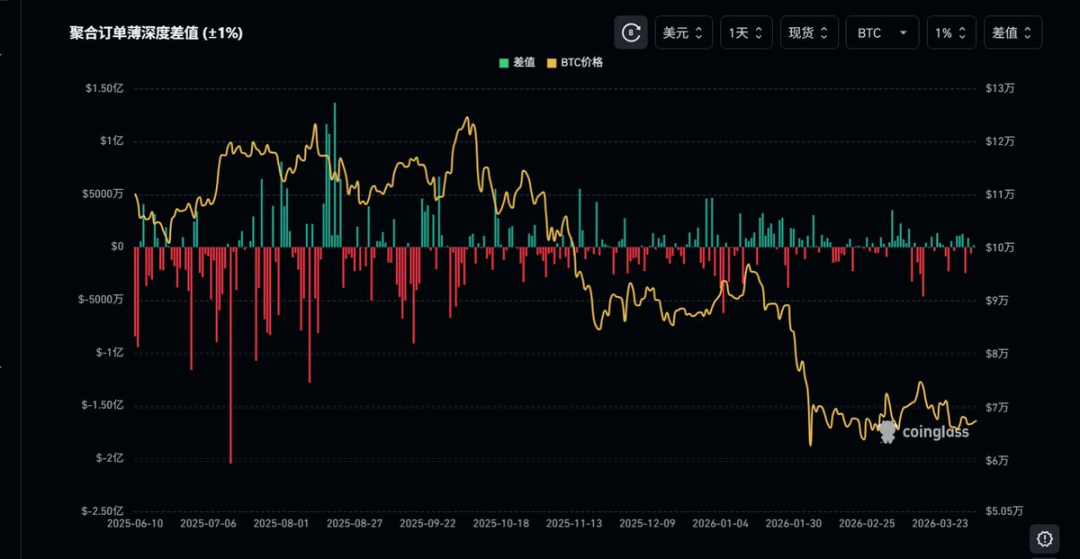
The second chart shows daily order book data: BTC has been fluctuating around the 60,000 mark; the buying and selling orders on the order book have remained stuck in a tug-of-war, evenly matched; and the activity level of funds in this range is even far less than the previous market phase of 80,000 to 98,000.
With the current weak market support and no volume to build a solid base, do you really think 60k can be classified as the Bitcoin bear market bottom? I don't buy it!
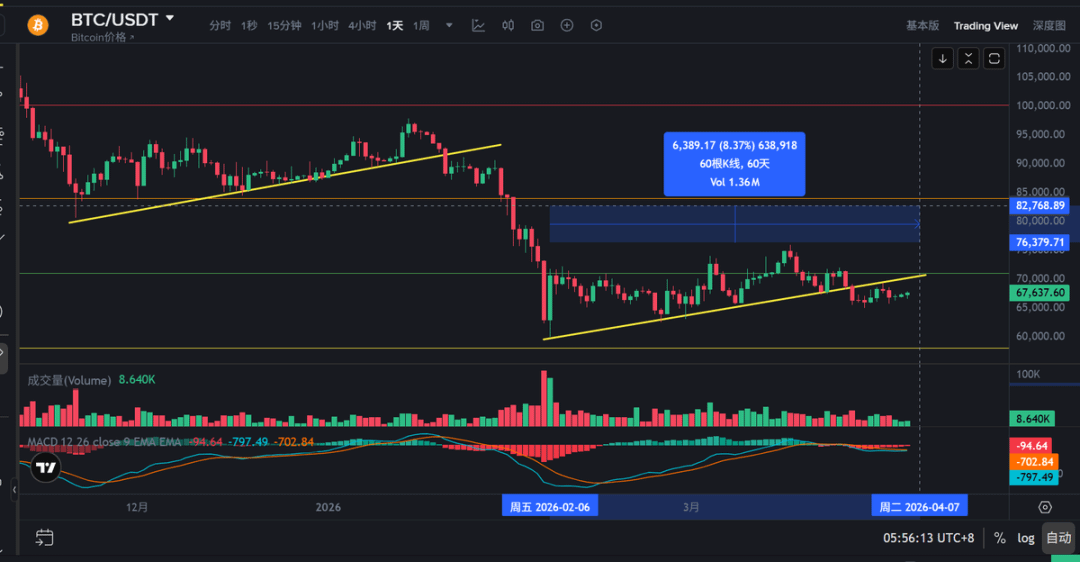
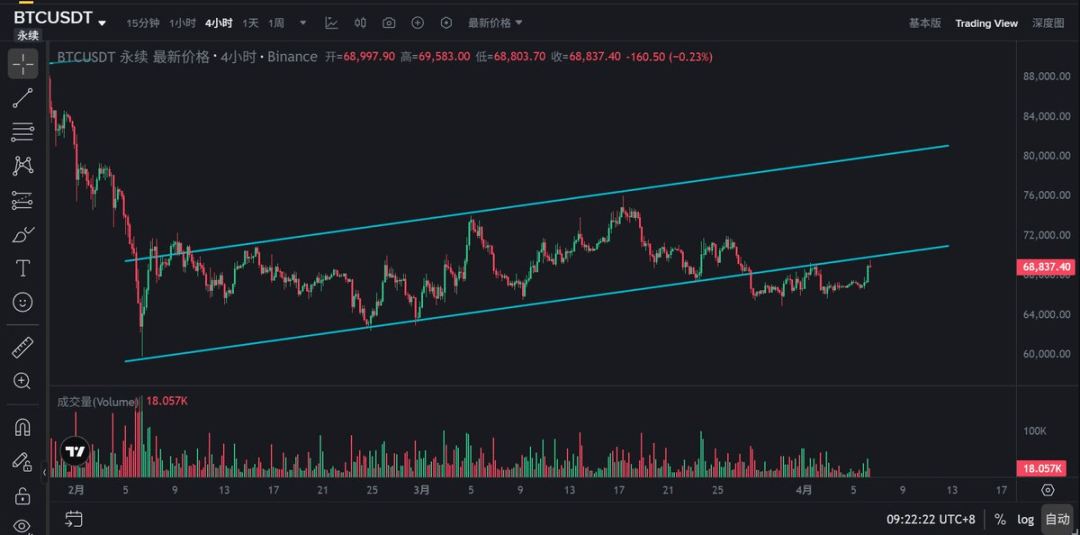
In the comparison analysis of the three-day price action (core logic is clearer and aligns with trading judgment): Reviewing the weekly second wave dead cat bounce: prices oscillated in the 80k to 98k range for 60 days, then broke below the yellow uptrend line after several days of running; a brief weak bounce occurred below the trend line, followed by 7 days of consolidation, leading to the formal start of the third wave's major decline, with prices crashing significantly.
Looking at the current situation, we’re in the fourth wave of a weekly dead cat bounce. Whether it’s the bounce rhythm, trend patterns, or oscillation characteristics, it all closely resembles the second wave’s movement—history is eerily repeating itself.
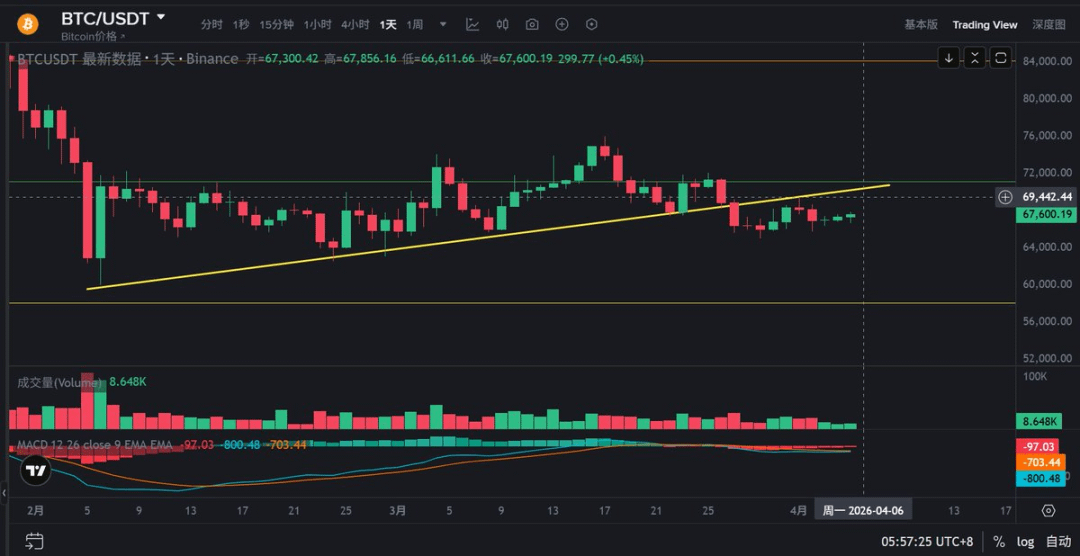
Currently, BTC has been in a sideways range between 60k and 76k for a full 58 days; after breaking below the yellow long-term uptrend line, it has been consolidating for 8 days beneath it, consistently failing to break upward. Combined with the current market situation: daily trading volume is persistently low, and volatility is continuously narrowing, indicating a severe lack of bullish momentum. The mid-term major trend reversal window is approaching, and it only takes one unexpected negative news event or trigger to ignite a new round of significant declines.
I've emphasized multiple times: Around April 6 is a critical turning point for mid-term trends. Today is April 6, and the new week's market is crucial; it's highly likely to establish the mid-term trend direction. Be sure to pay close attention and control your positions tightly!
Trump's previously set 10-day buffer period for Iran is about to expire, and his public statements are tough and straightforward: 'I've given Iran a chance to negotiate, either reach a resolution quickly or fully open the Strait of Hormuz. The deadline is approaching; only 48 hours remain, and hellfire may descend immediately.'
The confirmed time is set for April 7, 2026, at 08:00 Beijing time, which is the final deadline defined by the U.S. Any military ground action or a repeat of a surprise attack will directly influence Bitcoin's short-term volatility and mid-term trend.
Meanwhile, on April 10, the Fed is set to drop the March CPI inflation data. Due to the spike in oil prices from the conflict in the Middle East, inflation pressures remain high, which might further suppress global interest rate cut expectations, continuing to weigh down on the crypto market.
Considering the two major risk nodes: after 8 AM Beijing time on April 7, Bitcoin is likely to make a short-term bullish bounce before triggering a deep crash, officially establishing a new mid-term trend reversal. For those planning to set mid-term short positions, it’s advised to wait for this time window: wait until the U.S. stance is clear and the situation stabilizes before entering a short position. At this stage, remember not to over-leverage in speculative trades—geopolitical news can cause sharp price swings, and blindly entering can lead to getting stopped out repeatedly, resulting in unnecessary losses.
A lot of folks jump into trading based on gut feelings and emotions, betting on a single candlestick's outcome. But seasoned traders have already mapped out three key things before entering a trade: What’s the entry strategy? How much can I afford to lose? How do I lock in profits?
If these three points aren't clear, it’s not trading; it’s just gambling.
The core of trading has never been about the moment you enter, but rather the thorough plan before opening a position: Is there a solid structure backing it? Is there a clear stop loss to manage risk? Is there a reasonable risk-reward ratio to secure profits? If any of these three are missing, that trade isn’t worth making.
I often emphasize: Quality trading can always be pre-written. It’s never about impulsive decisions during trading hours but rather clear logic, meticulous planning, and decisive execution.
By consistently following this set of rules, you'll only see two major transformations: ① Your stop losses get smaller and losses become manageable; ② Your mindset becomes steadier, not swayed by market fluctuations.
From now on, I won’t chase pumps and dumps or let the market dictate my moves; I’ll stick to my trading system and proceed steadily.
In the premium member group, we always provide a well-defined trading plan in advance: clear entry timing, breakdown of opening logic, defined loss limits, and profit protection strategies. All strategies are explained upfront; we never do a retrospective analysis after the fact.
If you’re still trading based on intuition and letting emotions dictate your moves, it’s time to switch to a more professional approach.
Join the premium member group, ditch luck-based trading, and engage in systematic trading to profit through rules.
The above content is just a personal opinion and doesn't constitute investment advice. Any actions taken based on it are at your own risk.