
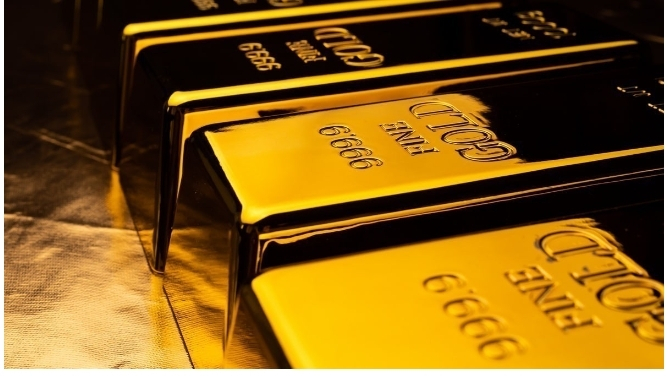
Gold has suffered more than other assets due to the escalation of the situation in Iran, not counting the global stock market, of course. Since the beginning of the conflict, it has lost more than 15%, and specifically in March, it decreased by 9.3% on the global market, or by $480 per troy ounce. At the end of March, gold was priced around $4700 per ounce.
Interestingly, this time in Belarus the precious metal moved almost synchronously with the global trend. By the end of March, the National Bank set the price for a gram of gold in purity at 427.31 rubles. This is 48.7 rubles, or 10.3% lower than it was at the end of February.
By the way, the situation with gold is somewhat similar to that of bitcoin. During the time of rapid growth, many 'nervous' investors—speculators and just ordinary citizens and companies—entered the market. And now they are getting rid of the asset that has 'suddenly' started to fall.
In forecasts, the prospects for gold and crypto are also similar, although it's strange: the assets are too different, but it's a fact. If the conflict in Iran drags on and central bank rates go up, gold will become less interesting for investors and will decrease in value. If everything is resolved faster, then the opposite will happen. Many analysts believe that the growth potential of the asset has not yet been exhausted.