Donald Trump may postpone strikes on Iran's civilian and energy infrastructure if he sees real progress in negotiations. However, the military scenario remains on the table.
Fact: the decision on escalation has not been made, but preparations are underway.
Interpretation: the market is receiving a binary scenario — either de-escalation or a sharp shift to military pressure.
Internal dynamics:
— a large-scale strike is being discussed
— part of the team is for diplomacy
— progress in negotiations is weak
This means there is no unified line within the administration.
The key trigger — the probability of a deal:
➠ there is a chance of an agreement → strikes are postponed
➠ negotiations are falling apart → escalation is accelerating
The decision will be political, not economic.
What does this change:
— oil remains in a risk premium mode
— inflation expectations are unstable
— markets react to headlines, not data
Volatility is becoming a function of news.
Who wins:
— short-term strategies
— the energy sector under sustained tension
Who loses:
— assets sensitive to stability
— long-term positions without a hedge
The focus shifts from trends to scenarios.
For the long-term investor, this is a phase of waiting for a resolution. As long as there is no solution, the market does not form a stable direction. The key channel of influence remains the same — through oil and inflation, which will determine whether the current uncertainty turns into systemic pressure on liquidity.

Article
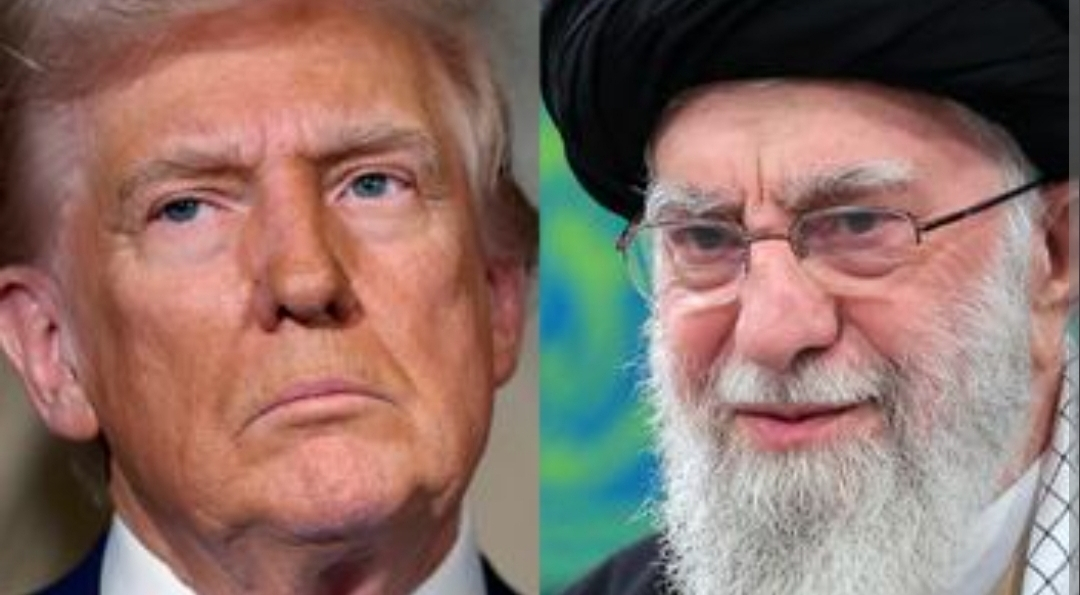
The scenario of postponed escalation keeps the markets in suspense
Disclaimer: Includes third-party opinions. No financial advice. May include sponsored content. See T&Cs.