
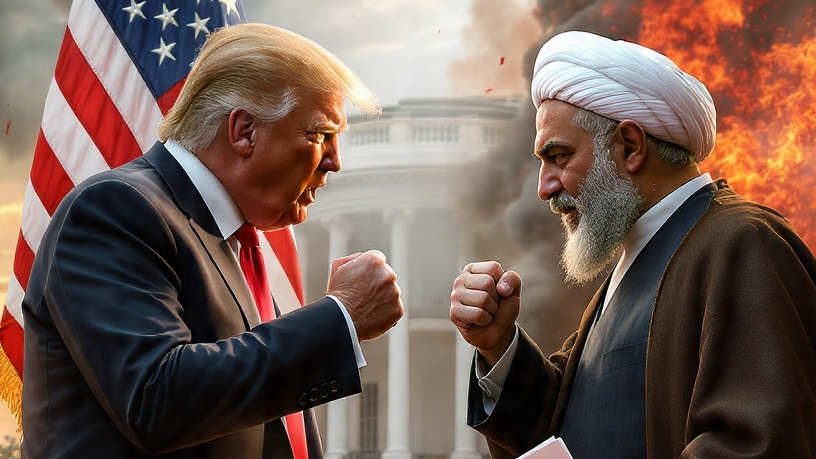
In today's geopolitically tense world, relations between Iran and America are becoming sharp again. On April 8, 2026, Iran's parliamentary speaker Mohammad Baqer Qalibaf issued a significant statement, accusing America of serious violations of three main clauses of the 10-point ceasefire and negotiation proposal. This proposal was described by American President Donald Trump as 'working basis for negotiation', but according to Qalibaf, the fundamental principles were violated even before negotiations began. This statement affects a vast region, including the Iran-Israel tension, ongoing conflict in Lebanon, and the area surrounding the Hormuz Strait.
Contextual background
In recent weeks, clouds of war have gathered over the Middle East. Intense attacks are happening at the Lebanon border between Israel and Hezbollah, with accusations that Iran is supporting them with its missiles and drones. In this context, Iran presented a 10-point ceasefire proposal, which includes opening the Hormuz Strait, granting the right to produce uranium dark matter, an immediate ceasefire in Lebanon, and protection for Iran's air office. After Trump accepted this proposal, he expressed the possibility of negotiations, but Qalibaf stated that America's actions have rendered it meaningless. This statement also references Iran's historical approach towards America, often depicted as a recurring pattern.
Details of three major violations
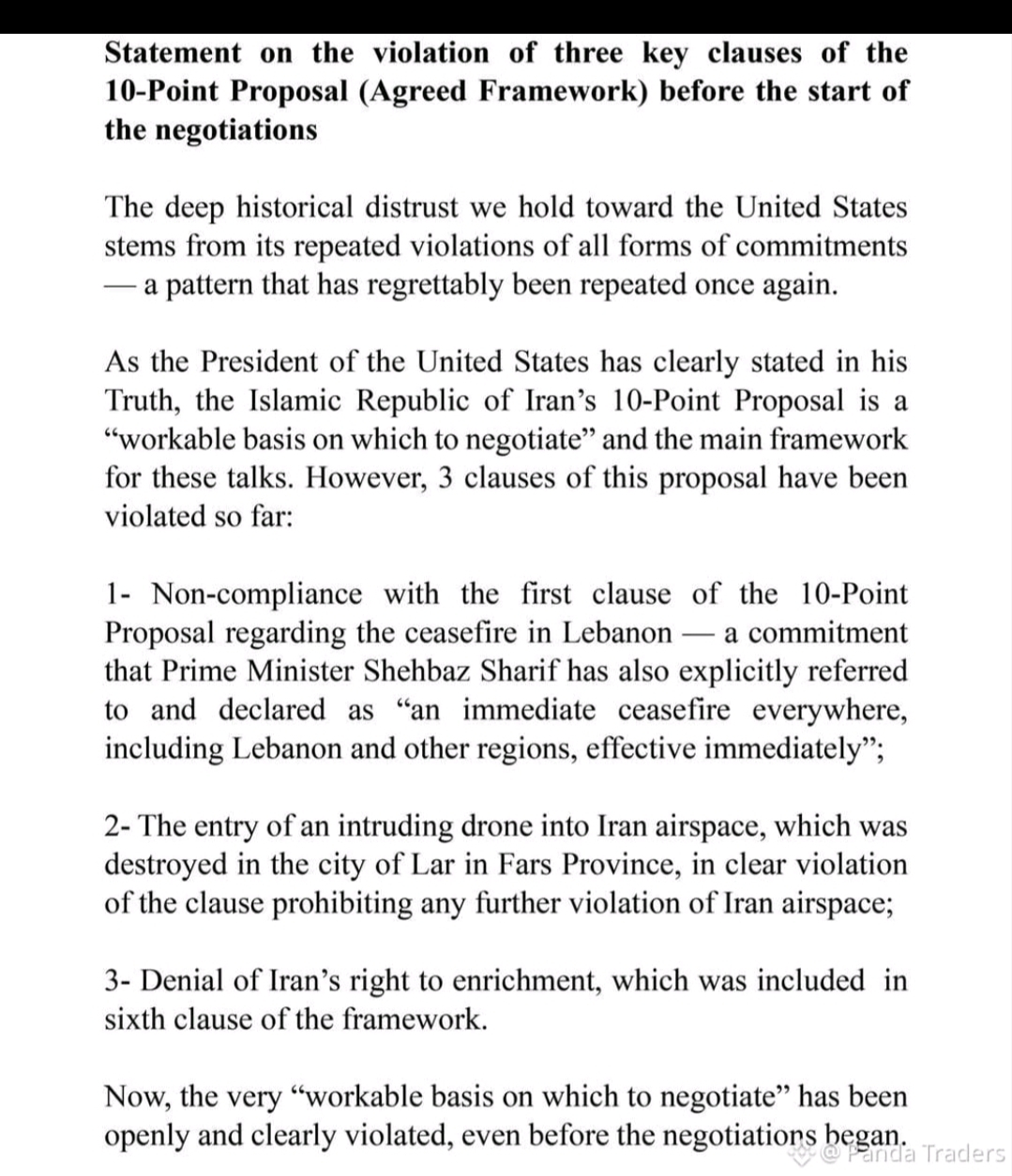
Qalibaf mentioned the violation of three specific clauses that undermine the fundamental basis of the proposal. The first clause relates to an immediate and unlimited ceasefire in Lebanon. It includes a demand from Pakistani Prime Minister Shehbaz Sharif that an immediate ceasefire should occur in Lebanon and other areas. However, Israeli attacks continued, which are considered impossible without American support. The second clause pertains to Iran's air office, where a clear violation occurred in the city of Lar in Fars province by drone. This drone was destroyed, which contradicts the explicit prohibition of the proposal. The third clause extends to the sixth part of the proposal, which grants Iran the right to produce uranium dark matter. America has rejected this right, weakening the entire proposal. All these events occurred not during the negotiations but before them, which forces Qalibaf to state that 'the basis for negotiation was destroyed'.
Responses of the parties
Iran's harsh response followed, with Qalibaf calling the ceasefire 'meaningless' and dismissing the negotiations as inappropriate. According to media reports, this statement was published in various international news outlets and was confirmed. On the other hand, America and Israel have denied these accusations. America claims that the ceasefire does not fully apply to Lebanon and that the drone incident occurred out of self-defense. The Trump administration called the proposal 'not sufficiently good' and demanded changes for negotiations. Meanwhile, attacks in Lebanon and the Hormuz area continued, which affects the global oil market and economic stability.
 Analysis and predictions
This incident reflects the complex political game in the Middle East, where each party uses both negotiation and war to safeguard its interests. For Iran, this statement is an attempt to strengthen its image in the international community, while for America, it is about increasing pressure. The possibility of future negotiations has diminished as distrust has increased. If this tension escalates, it could shake the global economy, especially for countries like India that are oil importers. Ultimately, this statement underscores the need for bilateral dialogue, but currently, it seems impossible.