


BitcoinWorld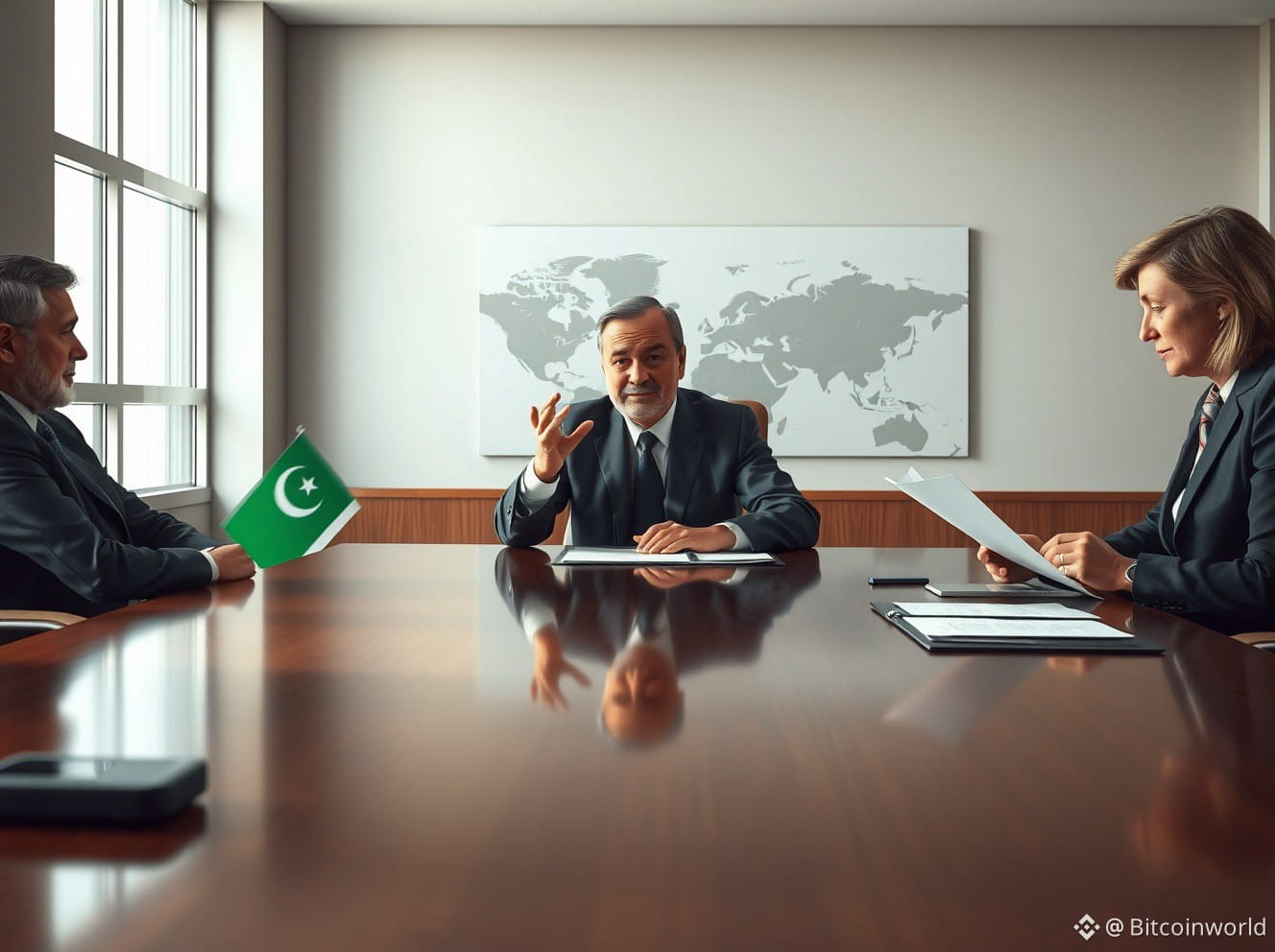 Iran US Negotiations: Critical Diplomatic Team Deployed to Pakistan for High-Stakes Talks
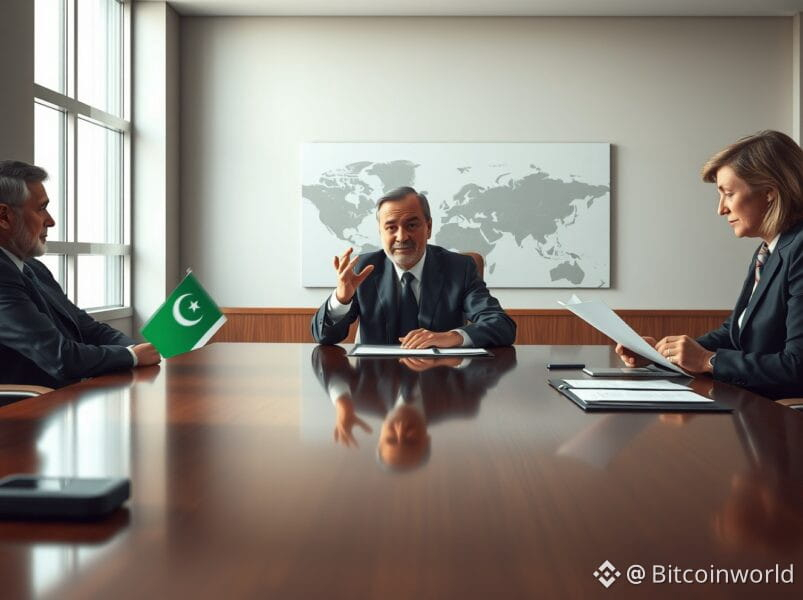
In a significant diplomatic maneuver, Iran has officially confirmed the deployment of a high-level negotiation team to Islamabad, Pakistan, for direct talks with United States representatives. This development, confirmed on March 15, 2025, signals a potential thaw in one of the world’s most protracted and complex geopolitical standoffs. The move follows months of backchannel communications and comes against a backdrop of regional instability and stalled nuclear agreement revivals. Consequently, analysts are scrutinizing this meeting as a possible inflection point for Middle Eastern security and global non-proliferation efforts.
Iran US Negotiations: Context and Strategic Implications
The decision to hold talks in Pakistan, a nation with historical ties to both Washington and Tehran, is itself a strategic choice. Pakistan has often positioned itself as a neutral intermediary in regional conflicts. This venue selection suggests both parties seek a discreet yet credible environment. Furthermore, the Iranian delegation reportedly includes senior officials from the Foreign Ministry and the Supreme National Security Council. This composition indicates the talks carry substantial weight and authority from Tehran’s highest echelons.
Historically, direct US-Iran negotiations have been rare and fraught with tension. The primary sticking points remain consistent. Firstly, the status of Iran’s nuclear program under the Joint Comprehensive Plan of Action (JCPOA). Secondly, the lifting of US-led economic sanctions. Thirdly, Iran’s regional activities and ballistic missile development. Recent months have seen a slight shift, however. European mediators have intensified shuttle diplomacy. Additionally, economic pressures within Iran have created new imperatives for dialogue.
Analyzing the Pakistan Mediation Role
Pakistan’s role as host is multifaceted and deeply rooted in regional dynamics. The country shares a long, porous border with Iran and maintains a complex relationship with the United States, a major security partner. Pakistani officials have consistently advocated for diplomatic solutions to regional crises. By hosting these talks, Islamabad aims to bolster its diplomatic stature. It also seeks to stabilize its western frontier, which has seen occasional cross-border tensions.
Regional experts point to several advantages of the Pakistan venue. The location offers logistical convenience and a degree of political insulation from more intense media scrutiny found in European capitals. Moreover, Pakistan can leverage its intelligence and security channels to facilitate secure communication. This pragmatic setting could allow for more frank discussions away from the spotlight.
Expert Perspectives on Breakthrough Potential
Dr. Anisa Karimi, a senior fellow at the Center for Strategic Studies, provides a measured analysis. “The mere confirmation of a team’s dispatch is a positive signal,” she states. “It moves beyond ambiguous statements to a tangible diplomatic action. However, the gap between initial contact and a sustainable agreement remains vast. Success will depend on the pre-negotiated agenda and the mandate given to the US team by the current administration.”
Evidence from past negotiation cycles shows a pattern of incremental progress followed by setbacks. The 2015 JCPOA demonstrated that agreement is possible, but its subsequent unraveling highlights deep-seated mistrust. Current discussions are likely focused on establishing a framework for de-escalation, potentially involving reciprocal, verifiable steps. For instance, a limited sanctions waiver in exchange for enhanced International Atomic Energy Agency (IAEA) monitoring could be a preliminary goal.
Timeline of Recent Diplomatic Movements
Understanding this meeting requires context from the past two years of diplomacy.
Early 2024: Indirect talks resume in Oman, facilitated by Omani and Qatari officials. These discussions focus on prisoner exchanges and frozen asset releases.
Mid-2024: The IAEA reports a stabilization in Iran’s stockpile of highly enriched uranium, interpreted by some as a tacit confidence-building measure.
Late 2024: US and Iranian officials acknowledge “managing differences” as a shared objective in public statements, marking a subtle rhetorical shift.
January 2025: Pakistani Foreign Minister offers “good offices” for dialogue during a visit to Tehran, formally setting the stage for the current meeting.
This timeline reveals a gradual, cautious process of re-engagement. Each step has been carefully calibrated to avoid the perception of concession without reciprocity.
Potential Impacts on Regional and Global Stability
The outcomes of these Pakistan-hosted talks will have immediate and far-reaching consequences. A successful dialogue could lead to a reduction in maritime tensions in the Persian Gulf. It might also open channels for cooperation on regional security issues, such as the situation in Afghanistan. Conversely, a failed meeting could harden positions and increase the risk of miscalculation.
Global energy markets are watching closely. A tangible de-escalation could positively influence oil prices by reducing the perceived risk premium associated with Middle Eastern supply disruptions. Furthermore, European nations reliant on diplomatic solutions for non-proliferation are likely supportive of this initiative. They view a functional JCPOA as the best available tool to prevent a nuclear-armed Iran.
Conclusion
The confirmation of Iran sending a team to Pakistan for Iran US negotiations represents a critical juncture in international diplomacy. While significant hurdles persist, the very act of establishing direct, high-level contact in a neutral third country is a substantive development. The world will be watching Islamabad closely. The results will not only shape the future of US-Iran relations but will also have profound implications for regional stability, global non-proliferation norms, and the geopolitical landscape of the Middle East. The path forward remains uncertain, but the resumption of dialogue itself is a necessary first step away from confrontation.
FAQs
Q1: What is the main goal of these Iran US negotiations in Pakistan? The primary stated goal is to reduce tensions and establish a clear communication channel. Specific agenda items likely include discussions on the nuclear program, sanctions relief, and regional security concerns, aiming for a framework for phased de-escalation.
Q2: Why was Pakistan chosen as the location for these talks? Pakistan is a neutral party with diplomatic relations with both nations. It has offered to mediate previously and provides a discreet environment away from the intense media pressure of Western capitals, which may facilitate more open discussion.
Q3: How does this affect the 2015 nuclear deal (JCPOA)? These talks are separate from, but related to, the JCPOA. While reviving the full agreement remains a long-term goal for some parties, current discussions are likely focused on more immediate, confidence-building measures that could create conditions for broader negotiations later.
Q4: What are the biggest obstacles to an agreement? Key obstacles include deep mutual distrust, differing interpretations of past agreements, Iran’s advanced nuclear capabilities developed since the US withdrawal from the JCPOA, and domestic political opposition to concessions in both countries.
Q5: What would a successful outcome look like? A successful short-term outcome might be a joint statement committing to further talks, an agreement on a prisoner swap, or a small-scale, reversible confidence-building measure—such as Iran allowing expanded IAEA monitoring in return for the US authorizing a humanitarian trade waiver.
This post Iran US Negotiations: Critical Diplomatic Team Deployed to Pakistan for High-Stakes Talks first appeared on BitcoinWorld.