
Changes in the Federal Reserve's (Fed) interest rates can significantly impact the American economy and global markets, especially at a time when China is pulling capital from U.S. Treasuries and shifting towards yuan-denominated debt. Below is a detailed analysis considering this shift.
Impact of fed rate hikes
Increasing the fed rate raises borrowing costs, which slows down the US economy and controls inflation. In this scenario, treasury yields rise, but large investors like China pull back, causing bond prices to fall and making new debt more expensive.
This strengthens the dollar, making the Chinese yuan debt more attractive as global investors turn towards it for higher interest and stability. As a result, the risk of recession in the US increases, the stock market declines, and FII inflows to countries like India dwindle.
This remains beneficial for China as it can pull in more capital by selling its bonds and bolstering 'de-dollarization'.
Impact of fed rate cuts
Rate cuts make borrowing cheaper in the US, which promotes growth but can increase inflation. In this scenario, treasury yields decline, encouraging China to sell more and capital flows towards yuan debt, as it offers higher returns.
The dollar weakens, increasing exports but reducing the approval of dollar-denominated assets, which enhances the yuan's dominance. This is good for India as it allows the RBI to maintain stability in the rupee and increases FII inflows.
In the long run, this shift slows down more but reduces the interest burden on American debt.
Upcoming FOMC meeting estimate
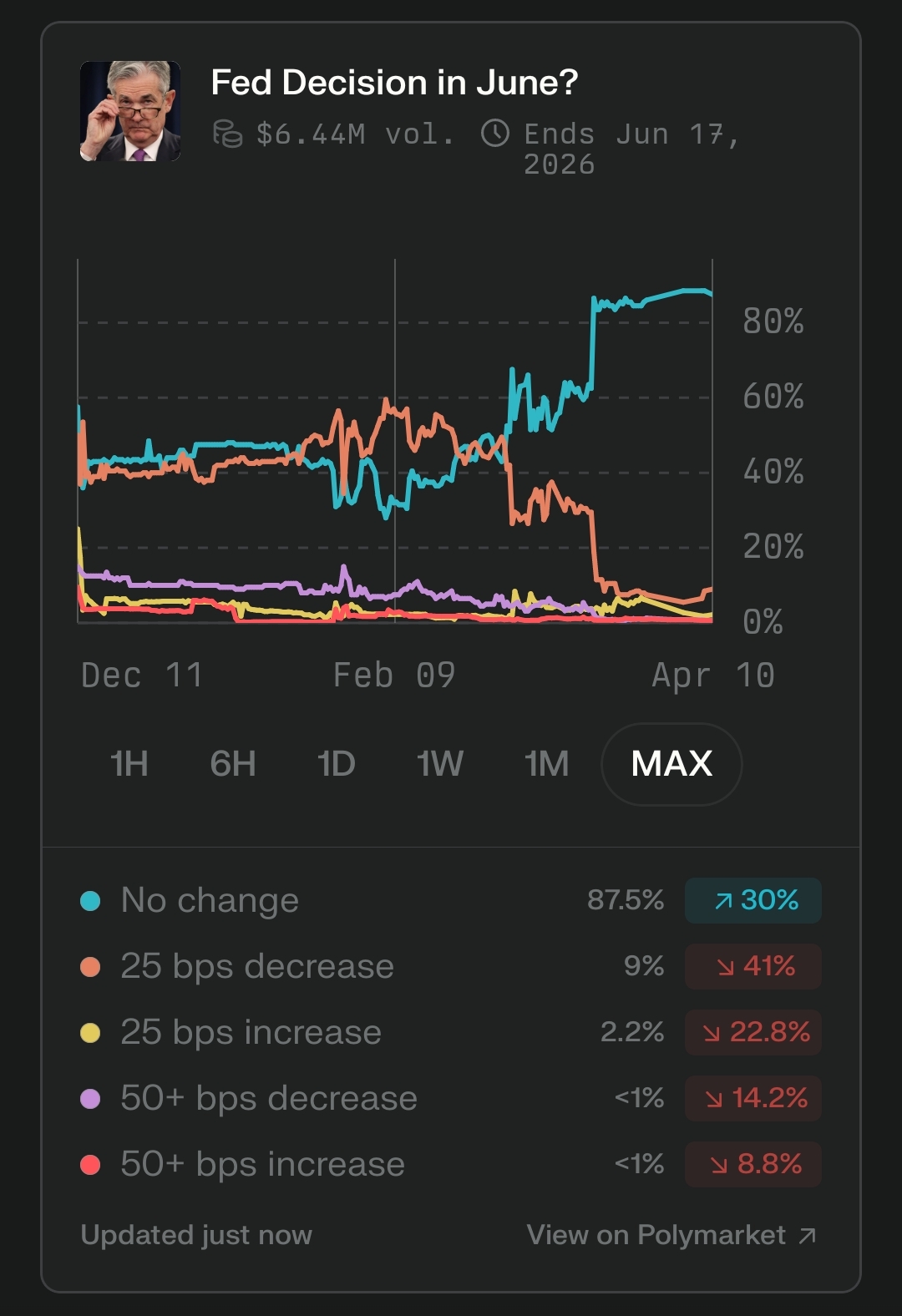
The upcoming FOMC meeting is on April 27-28, 2026, with a 87.5% chance of no change in the fed rate (according to Polymarket data). Inflation has remained above 2.8%, and geopolitical risks (such as oil prices at $85/barrel) will force the fed to maintain a 'hawkish stance'.
There is only a 9% chance of a 25 bps cut and a 2.2% chance of a hike, as expectations for any cuts in 2026 have diminished. If inflation remains stable, a small cut could happen in June, but currently 'no change' is the most likely outcome.