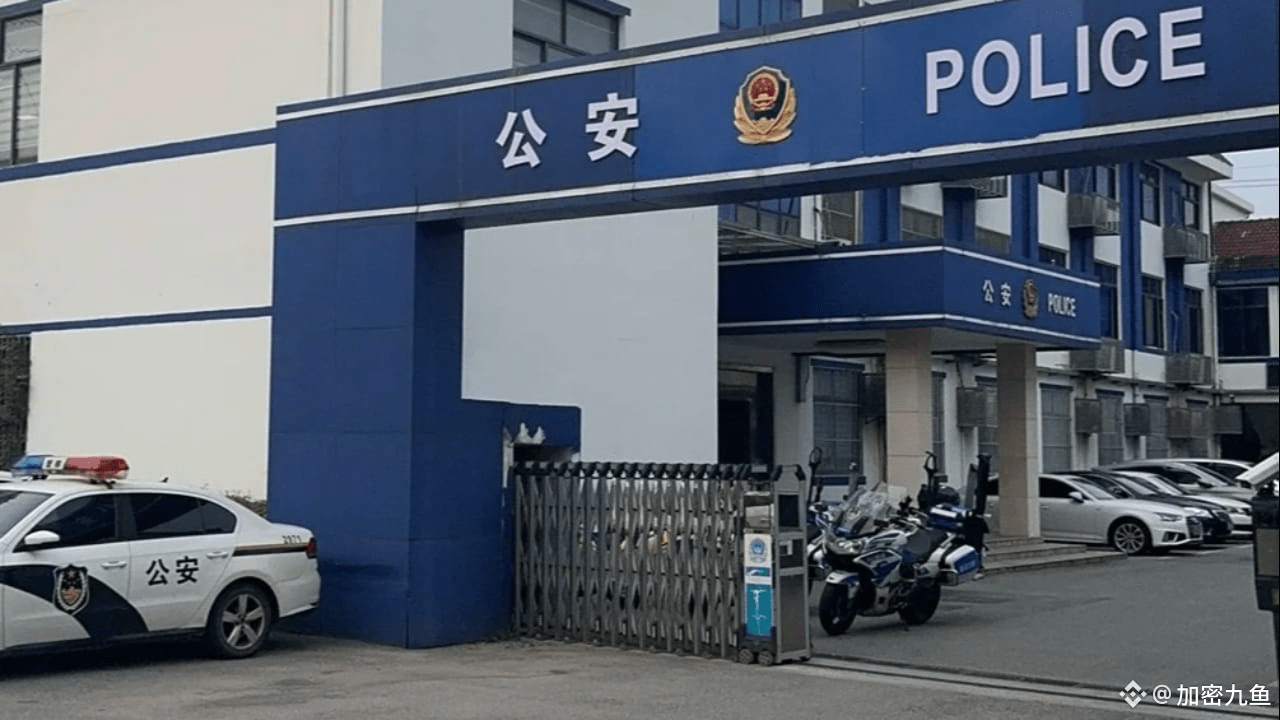
“Brother, my card was frozen when I was trying to withdraw money. What should I do since the police told me to go make a record?”
Recently, a friend encountered trouble—100,000 in his card was suddenly frozen! Even worse, the police required him to fly over 600 kilometers the next day to make a record in person. To avoid misunderstandings, he urgently sought a lawyer, but the police insisted that he must be present and would not accept any representation. Why? There are hidden legal traps behind this. Let's analyze together how to deal with such situations and ensure that your funds and freedom are maximally protected.
Why does the police require you to personally make a statement?
First of all, do not think that 'freezing a card' means you have committed a crime. In reality, the freezing of funds is usually to determine whether you have unintentionally become an accomplice to money laundering. Especially for those who have used Level 1 cards (cards involved in large money laundering transactions), the likelihood of being scrutinized by the police will greatly increase.
According to Article 210 of the Criminal Procedure Law, in theory, witnesses can make statements at home. However, in practice, the police who freeze your card often insist on confirming in person, which is why lawyers cannot go to the bureau, and the police require you to appear in person.
What will happen if I don't go? Is there a risk of arrest?
Many people worry that going to 'have tea' means they will be taken away. In fact, this is not the case. Freezing a card does not equal committing a crime; many exchange users occasionally encounter this issue during normal transactions, and most can successfully unfreeze after processing. However, if you refuse to cooperate or even disappear, the situation can become much more serious, potentially escalating to online pursuit, where airports and high-speed trains can be locked down, and your funds are more likely to be completely lost.
What can you do to avoid a worse situation when 'having tea'?
1️⃣ Don't be stubborn! Go if you need to, and bring your transaction evidence.
Face the police directly to prove your innocence. Bring transaction records and wallet information to demonstrate that the source of funds is legitimate, which may allow for a smooth unfreeze.
2️⃣ Act like a newbie, insist that you 'don't understand anything about selling U for the first time.'
Never act like you know everything, keep a low profile, avoid any suspicious responses, and prevent raising police suspicion.
3️⃣ Keeping your pants clean is the most important; firmly deny knowing about the dirty money.
If you are not clear about the background of the trading party, do not admit anything, and maintain that you are a normal market trader, as this will be very beneficial for you.
Key Reminder:
For exchange users, freezing a card ≠ committing a crime; the vast majority can successfully unfreeze it by providing evidence.
For cash customers dealing through WeChat, it's okay to occasionally go offline, but if transactions are frequent and the volume is large, the police will definitely pay attention.
OTC merchants especially need to be cautious; once a transaction exceeds 100,000 and the card is frequently frozen, you are likely to be closely monitored by the police!
Summary:
If you find yourself in a similar predicament, remember to stay calm, actively cooperate with the police investigation, and provide necessary transaction evidence. Although freezing does not equal a crime, non-cooperation will definitely complicate the issue. If you want to learn more about handling 'account freezing,' 'transaction inspection,' and 'on-chain compliance,' follow me, and we will tackle those tricky legal issues in the crypto world together!#加密市场回调 $ZKC