I have been following Saturn for a while. It issues $USDat and $sUSDat, two types of stablecoins, which combine the properties of stablecoins and RWA, with sUSDat offering an attractive 11%+ APY in this year's market environment.
The underlying structure of USDat is based on US T-bills (97%), and there is not much difference from other stablecoins, with an interest rate of about 3-4%.
sUSDat is a simplified investment channel for users to participate in micro-strategy STRC on-chain. I think the biggest advantage is:
1. Eliminating the hassle and cost friction of opening accounts with overseas brokers.
If investors from Taiwan want to purchase US stocks, they usually have to go through a complex commission or open an overseas brokerage account, and there will be wire transfer costs and trading time restrictions.
2. Tax optimization
sUSDat is similar to on-chain derivatives, where on-chain users are not traditional shareholders and can avoid US stock dividend taxes.
In other words, the following types of users may be interested in Saturn:
▻Those unable to open overseas brokerage accounts
▻Tax evasion seekers
▻Investors achieving flexible and instant capital exit through on-chain liquidity
Of course, looking solely at the annualized return rate, 11%+ APY is relatively attractive as an investment target in this year's macroeconomic and cryptocurrency market conditions, enough to attract on-chain users seeking stable returns.
Note: Recently common stablecoin investment channels, such as Binance wallet's stablecoin management yield of about 5%~10%, and on-chain project Ethena's $sUSDe of about 3%~4%
-
Summary
Personally, I believe the benefits of early participation in Saturn are maximized, as the current sUSDat not only obtains 11% APY from STRC but also adds the reserve asset yield originally belonging to USDat, resulting in a final APY greater than 12%.
Currently, USDat seems to primarily rely on Saturn airdrop points as a pull to attract funds for minting, but this may change with shifts in Saturn airdrop sentiment and other factors.
I originally planned to migrate the USDe-related positions (jrUSDe, srUSDe) to Saturn, as I anticipated that this part of the funds would pursue a yield of 10%+, and I was also preparing to gradually reduce dependence on Ethena.
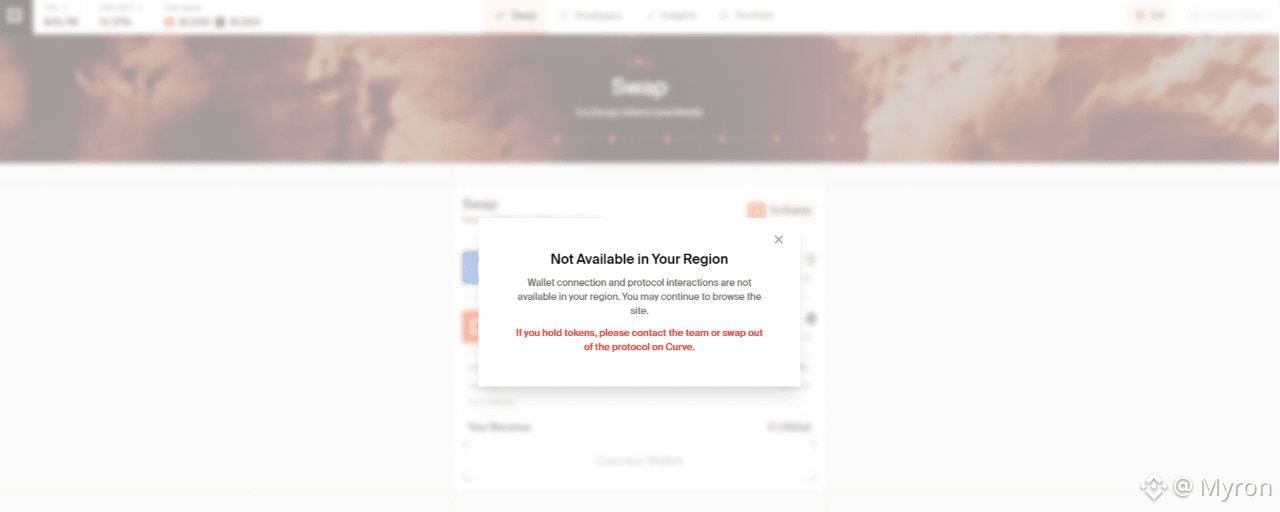
Unfortunately, Taiwan has surprisingly been listed as a restricted area, and it seems I will have to use a VPN to access it..
-
※The above content does not constitute investment advice (NFA). Users are advised to operate based on their own risk tolerance; DYOR and participate in the investment market with caution.
※The attached image is taken from Saturn dApp
#saturn #Airdrops #STRCStock #MicroStrategy