
The geopolitical driver (US-Iran) is fading, and reality comes to the forefront: the greenback is overvalued, and fast-money has already started to actively "unload" it.
Key points on USD Bearish setup:
🔵Fade the rally. Sales on the rise have become the dominant strategy for hedge funds. We see a classic distribution: institutions use any bounce attempts to exit their longs. This is not just fixation; it is re-pricing expectations regarding the conflict.
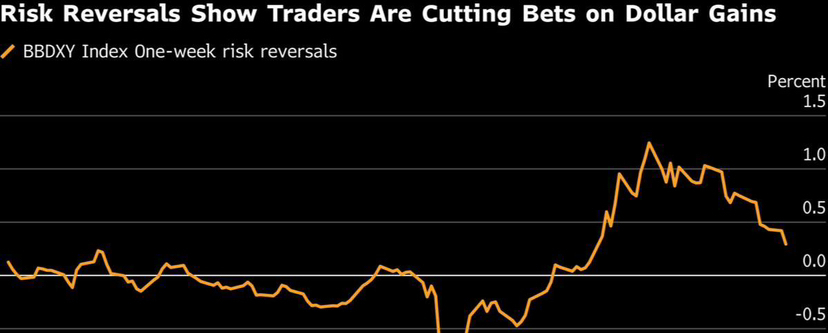
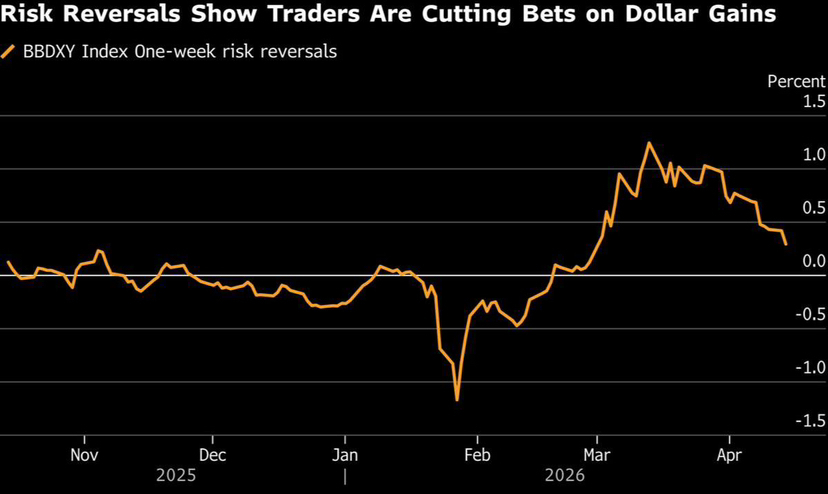
🔵Positioning & Risk Reversals. Morgan Stanley's models and dynamics in options confirm the shift. The premium for hedging upside in the dollar is decreasing. The market is no longer afraid of a strong USD and is starting to seek yield elsewhere.
🔵Valuation gap. Kenneth Rogoff's assessment of 20% overvalued sounds harsh, but it makes sense. The dollar has held on to fear for too long. In the context of de-dollarization and normalization of risks, such a revaluation is a potential catalyst for long-term correction.
Context on assets:
🔻G-10 Majors (EUR, JPY, CHF). Key beneficiaries. If the risk premium fades, capital returns to the yen and euro, which have been oversold amid the escalation.
🔻High-beta & Carry (AUD, MXN, BRL). In a de-escalation scenario, these currencies look like an asymmetric upside. Flows into risk assets will pressure the USD.
🔻Real Yields. If inflation in the US stabilizes and the Fed maintains a dovish tilt, the dollar will lose its last trump card — the interest rate differential.