
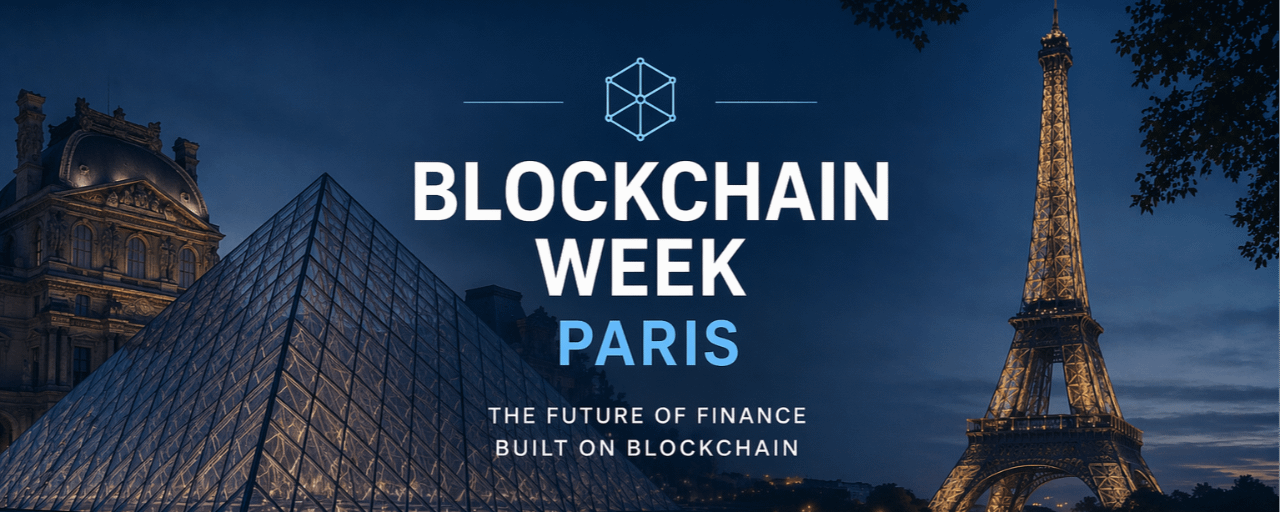
Paris Blockchain Week 2026 set the tone for the entire week, bringing together key industry players: from infrastructure developers to institutional investors. It was already clear from the start — the focus is shifting from hype to practical application and scalability. This also indicates a gradual transition of the market to a more mature and stable phase of development.
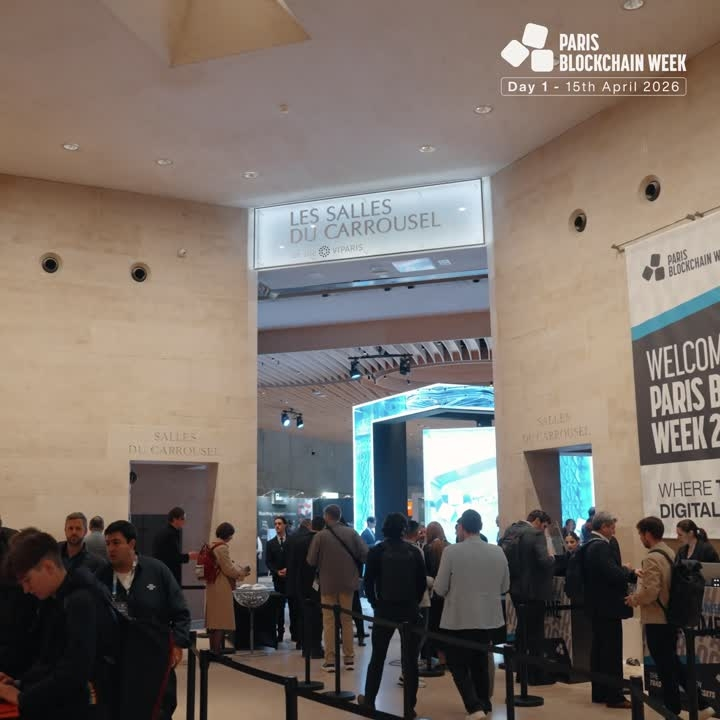
In the exhibition complex Carrousel du Louvre, participants from all over the world were gathered — from leading blockchain companies and Web3 startups to institutional investors, banks, and tech corporations. Here, developers of infrastructure solutions, venture funds, representatives of the fintech industry, and regulators intersected, forming a unified ecosystem where key partnerships of the industry are discussed and concluded.
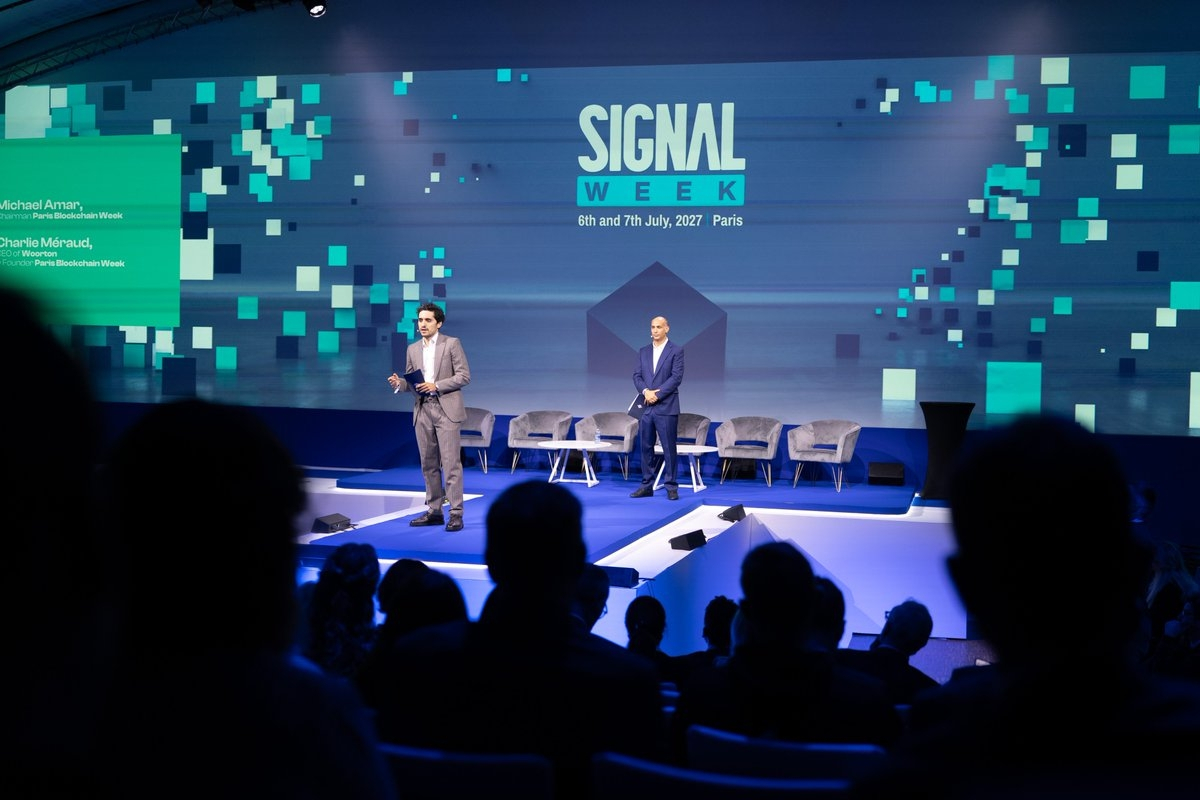
The official opening was conducted by Michael Amar, the organizer and key figure of PBW, and Charlie Merod, the founder of the conference. They set the tone for the event, outlining the main highlights of the week — the industry's transition from speculative interest to the practical implementation of blockchain solutions and the strengthening role of institutional players.
Event theme:
Macro discussion. Overview of Thomas Lee's speech
Bitcoin Infrastructure. Adam Black
Web 3. Speakers: Eric Anziani, Jeremy Aller, Robbie Jung, Silvio Micali, and Clara Shapaz
Institutionals. Discussion involving: J.P. Morgan, Deutsche Bank, BNY Mellon, Fidelity Digital Assets
Technologies. General vision. A separate overview of Silvio Micali's speech
Startups. Overview of the Yuma startup competition
AI Integration
The outcome and significance of the event
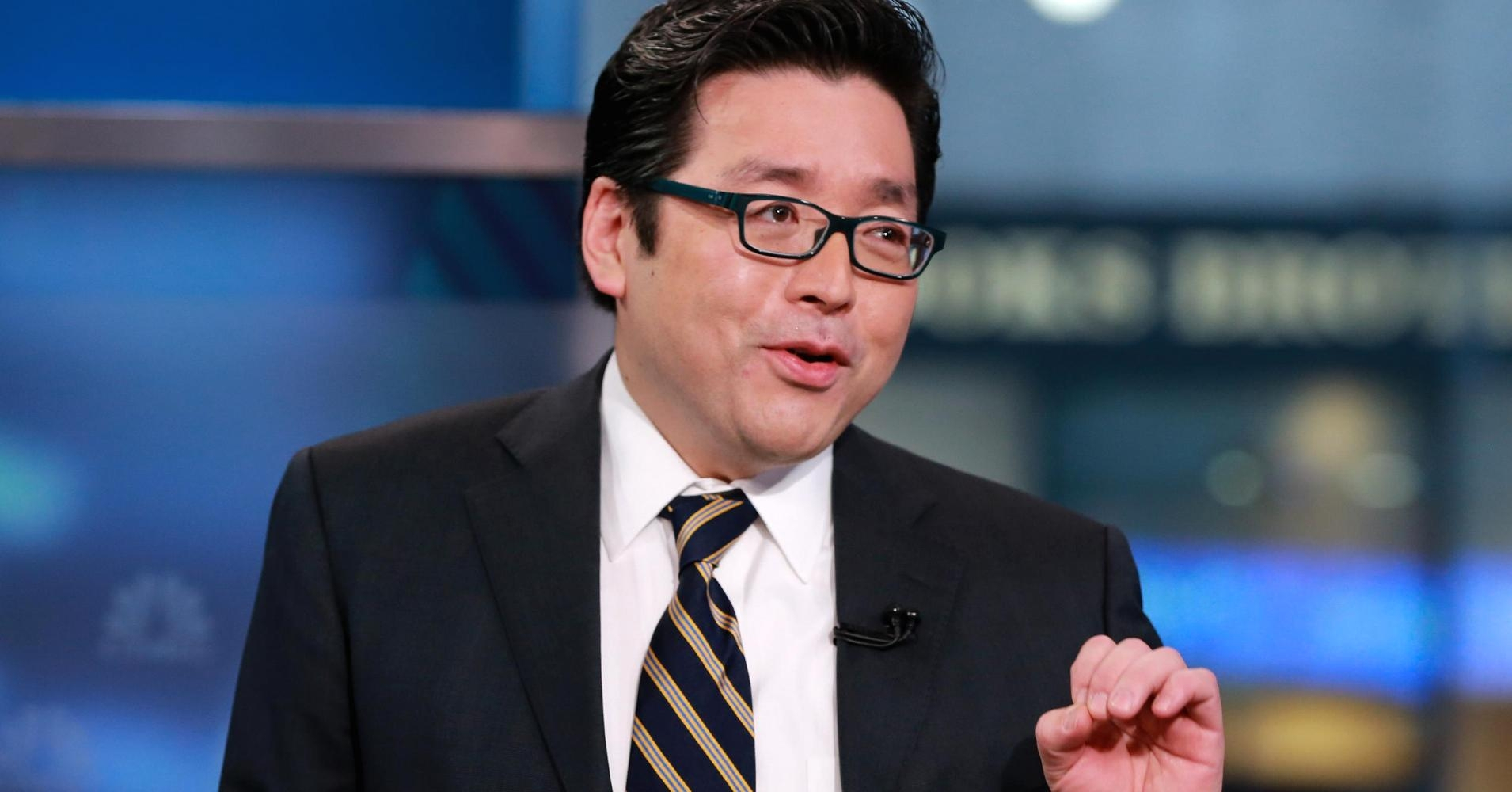
Macro discussion
In the framework of macro discussions, Tom Lee, co-founder and head of the analytical company Fundstrat Global Advisors, presented a bullish outlook on the market, stating that the period of crypto winter is coming to an end and the market is entering a recovery phase. He also noted the growing institutional demand for the Ethereum ecosystem, emphasizing:
“Crypto winter is over”
These statements reinforced the overall optimistic mood among participants and set a positive macro signal for further discussions within the conference. Softly speaking, it looks quite interesting.
Bitcoin Infrastructure
Significant attention was paid to the future of the fundamental crypto infrastructure and the long-term security of networks. A separate focus was made on the development of Bitcoin and the challenges associated with next-generation technological threats.
Speakers:
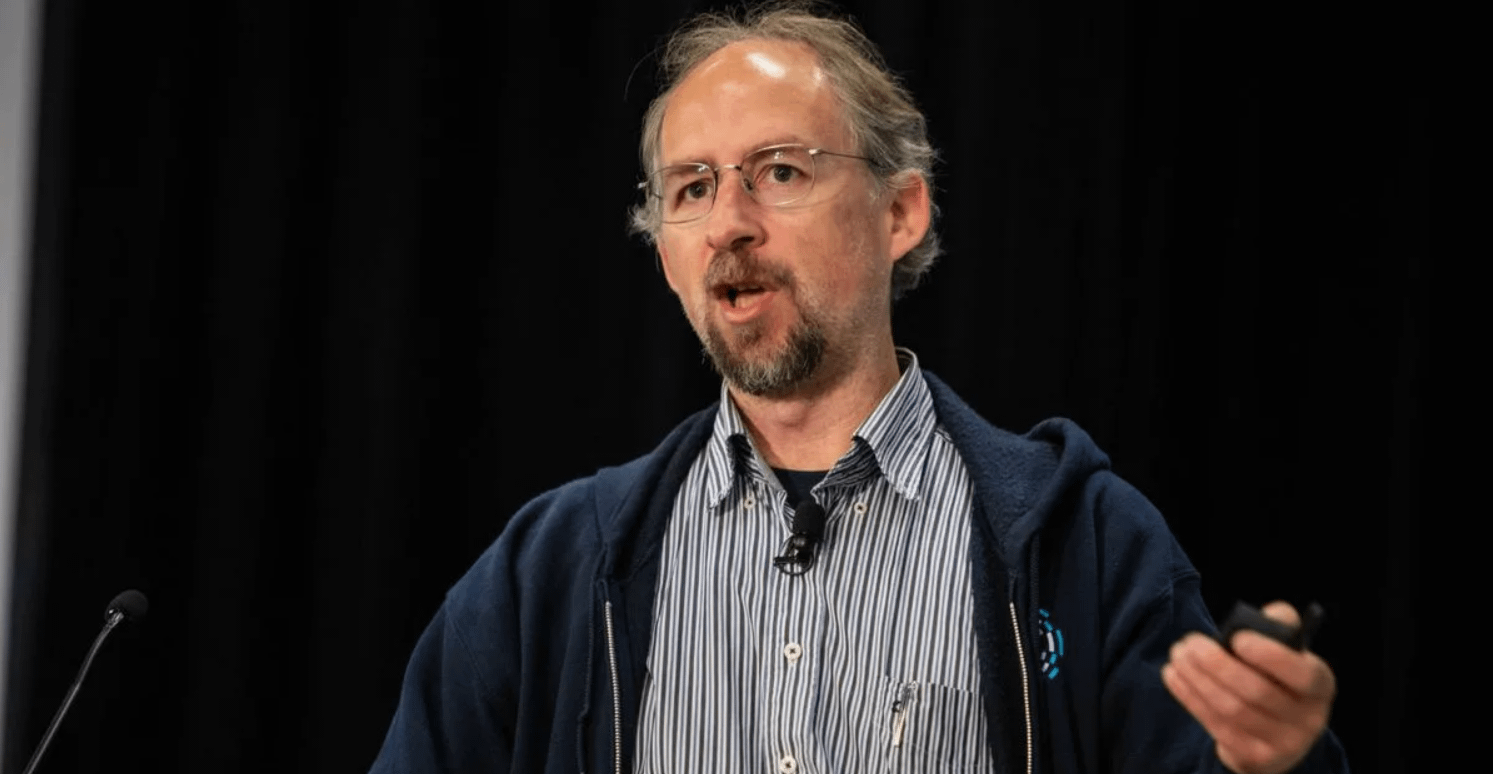
Adam Back, CEO of Blockstream
The presentation discussed the evolution of the Bitcoin ecosystem and the need for gradual, cautious updates to the protocol without drastic changes that could disrupt network stability. Particular attention was paid to potential quantum threats and the importance of preparing for them in advance, noting:
“We should focus on optional updates rather than impose changes”
His position reflects a conservative approach to the development of Bitcoin, where security and decentralization remain a priority.
Web3
A significant block of discussions was dedicated to the development of the Web3 ecosystem and its practical application. The focus was on issues of scalability, infrastructure, and the real benefits of decentralized solutions.
In Web3 sessions, conference participants discussed the transition from conceptual ideas to working products that can withstand the load of the mass market. Key speakers included Eric Anziani, Jeremy Aller, Robbie Jung, Silvio Micali, and Clara Shapaz. They discussed the future of digital assets, the development of the institutional market, regulatory approaches in Europe, and the integration of blockchain into the real economy. The overall focus of the discussions was on scaling infrastructure, increasing trust in the industry, and bringing Web3 closer to traditional financial systems.
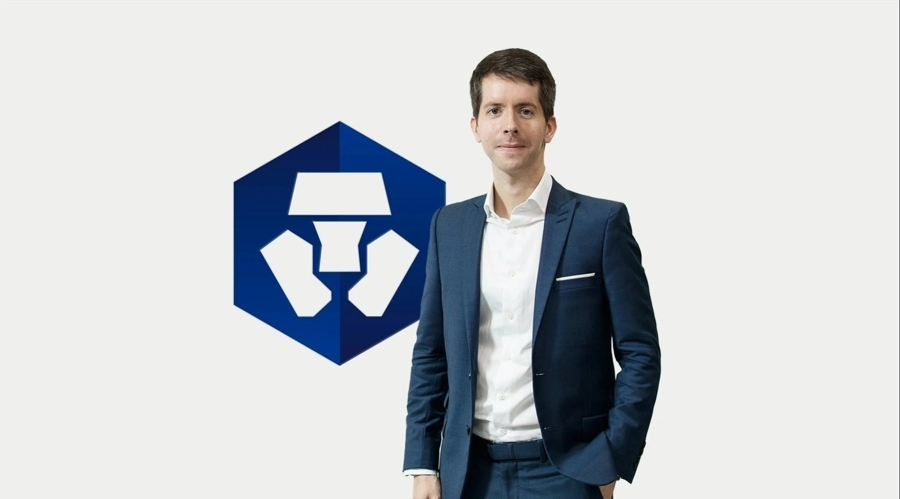
Speaker: Eric Anziani
Chief Operating Officer of Crypto.com, — one of the representatives of a large centralized crypto infrastructure
The development of global crypto infrastructure and the role of large exchanges in shaping the market. It was discussed separately how centralized platforms can coexist with decentralized solutions. The importance of institutional acceptance of crypto assets and the need to create a secure and regulated infrastructure for the mass user.
“Trust and regulation are the keys to mass adoption”
Speaker: Jeremy Aller
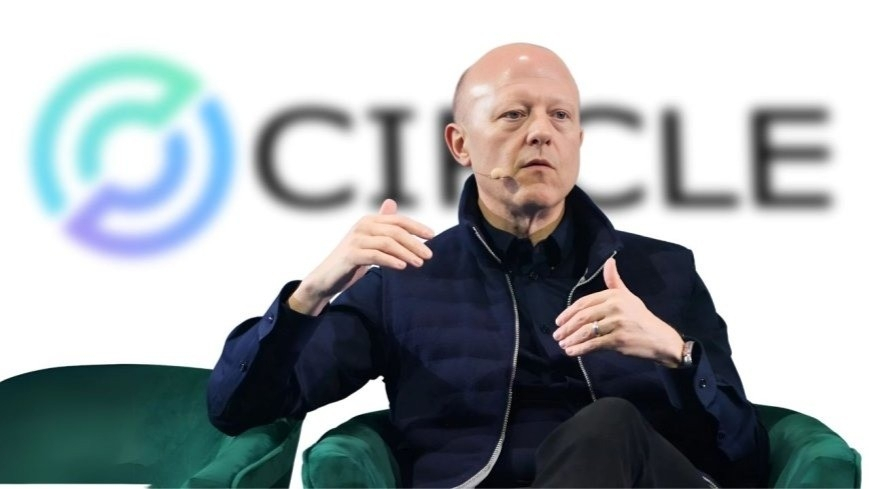
CEO Circle, — one of the key representatives of the stablecoin and digital payment infrastructure market.
Stablecoins and their roles in the future financial system. Special attention was paid to the integration of digital dollars in global payment operations. Stablecoins are becoming the foundation of a new internet financial system.
“Stablecoins are becoming the core infrastructure of the internet's financial system”
His position reflects a vision in which digital currencies become a basic layer for global settlements.
Speaker: Robbie Jung
CEO of Animoca Brands
Digital ownership and the development of the metaverse economy. A particular focus on how Web3 is changing the model of user interaction with digital assets, especially in the gaming industry.
“Digital ownership will define the next generation of the internet”
The speaker emphasized the role of gaming and metaverses as the main driver of the mass adoption of Web3 solutions.

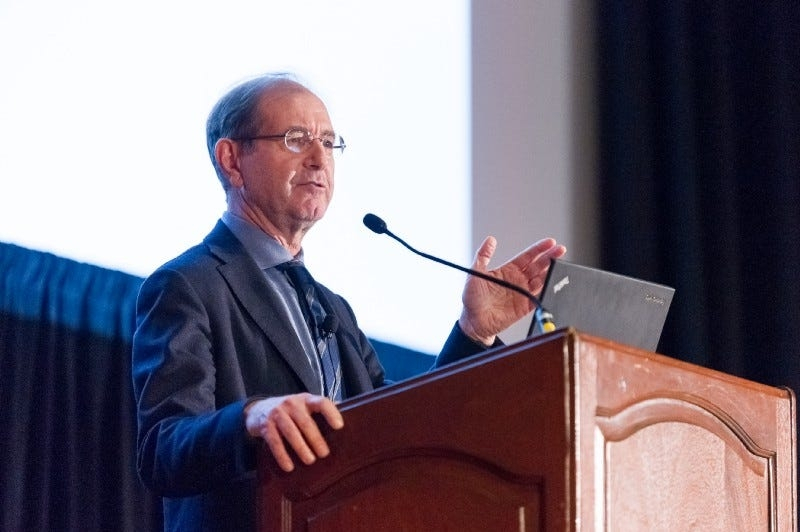
Speaker: Silvio Micali
Founder of the blockchain platform Algorand
Basic principles of building blockchain systems. A separate emphasis was placed on finding a balance between security, scalability, and user convenience.
“The technology must be scalable, secure, and user-friendly”
Without the right technical foundation, no blockchain system will be able to scale in the long term.
Speaker: Clara Shapaz
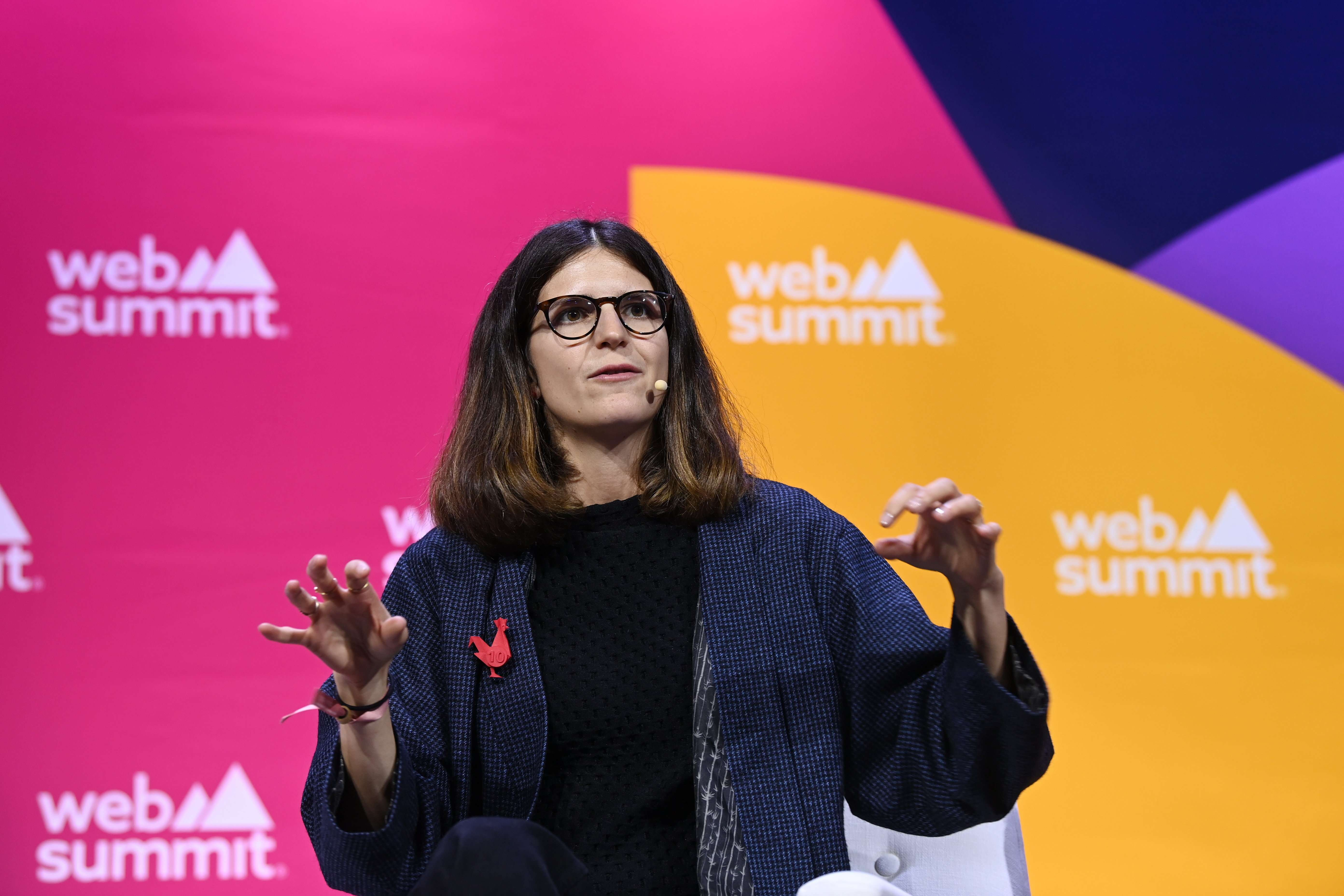
Secretary of State for Artificial Intelligence and Digitalization of France, former head of La French Tech
Europe's regulatory policy on digital assets. Discussions took place on how to create a balance between innovation and government control in the Web3 industry.
“We must create a clear regulatory system that supports innovation”
The need for transparent and understandable rules for the development of digital technologies in Europe was emphasized.
Institutionals
The presentations of bank and hedge fund speakers occupy a special place at such events. The prospects for scaling the involvement of the banking sector in the development of the future crypto industry are gaining an increasingly prominent position. This year, among the presentations of financial organizations, the leading positions were held by: J.P. Morgan, Deutsche Bank, BNY Mellon, Fidelity Digital Assets.
J.P. Morgan
The largest banking holding in the USA and one of the most powerful financial conglomerates in the world
Speakers:
Kara Kennedy, head of the payment direction
Coti de Monteverde, head of platforms and technologies
Kinexys (formerly Onyx) is the blockchain division of JPMorgan Chase, focused on digital finance and infrastructure for institutional players.
In their speeches, they emphasized that institutional adoption of blockchain has already moved from the stage of experiments to the stage of practical integration. The overall thesis of their position can be formulated as follows:
“The banking system is no longer observing the crypto market from the sidelines — it is becoming part of it through infrastructure solutions and asset tokenization.”
It was also separately emphasized that a key factor for further growth is the regulation and standardization of digital financial instruments, without which scaling is impossible.
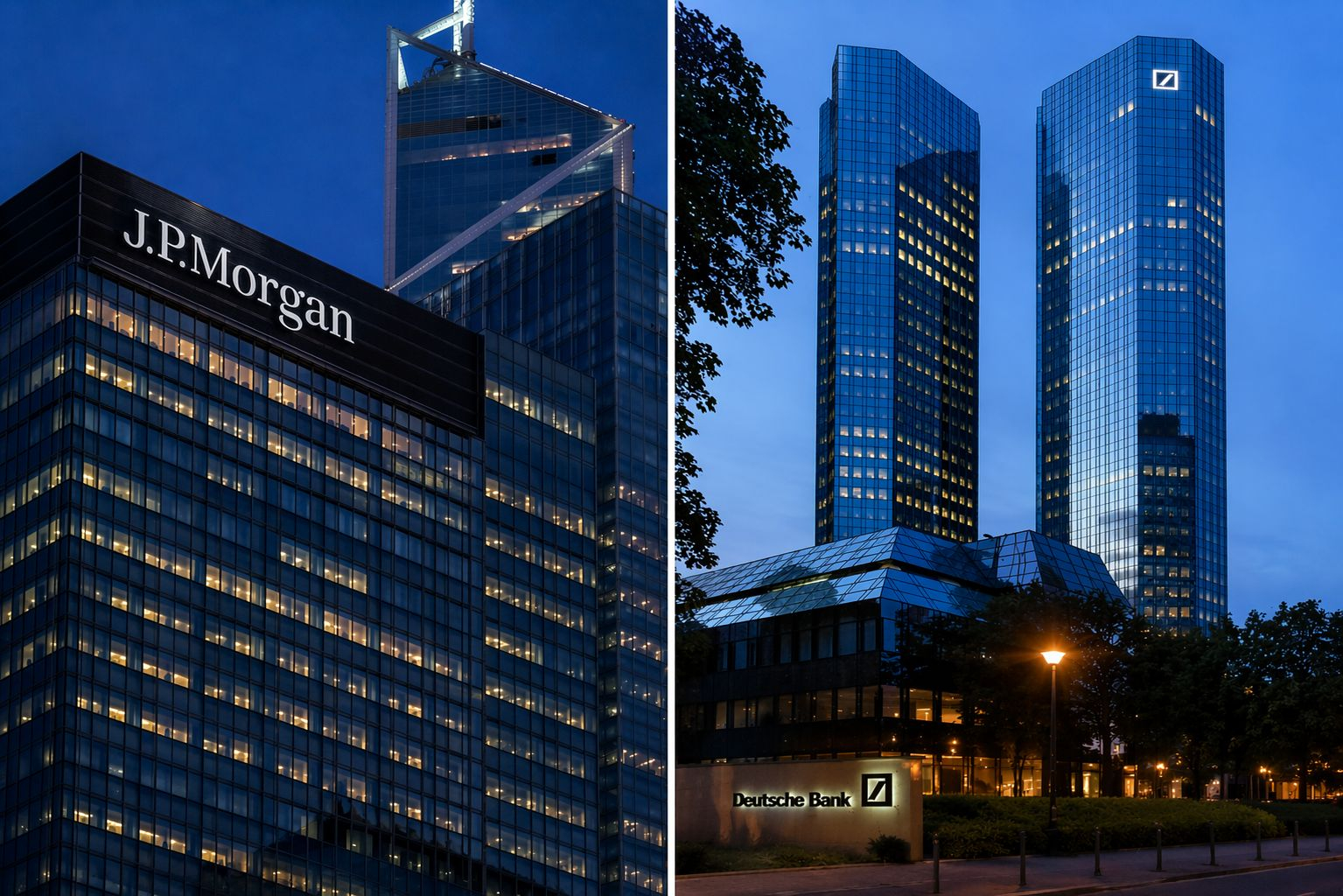
Deutsche Bank
The largest financial conglomerate in Germany
Speakers:
Sabih Behzad, head of the digital assets and currencies transformation department
He emphasized that the financial industry is gradually transitioning from experiments with technology to its practical implementation in institutional processes. A separate focus was made on asset tokenization, the development of digital currencies, and the need for regulated integration of new solutions into the banking system, which, in his view, is a key condition for market scaling.
Among the key theses of the speech, one can highlight: the transition from pilot blockchain projects to industrial use, the growing role of tokenized financial instruments, and the strengthening of interaction between banks, regulators, and the crypto industry. Summarizing his position, the main idea can be formulated as follows:
“Digital assets are ceasing to be an experiment and are becoming part of the foundational financial infrastructure of the future”

BNY Mellon
The oldest bank in the USA
Speakers:
A separate team responsible for the digital assets and custodial services direction
In their speeches, bank representatives emphasized that a key market driver is institutional demand for secure storage of digital assets and the development of custodial services. A separate focus was made on the necessity of creating reliable infrastructure that meets the requirements of regulators and large investors.
Among the key theses, one can highlight: growth in demand for custodial solutions, integration of digital assets into traditional financial services, as well as the formation of security standards for the institutional market. Summarizing their position, the main idea can be formulated as follows:
“Institutional adoption of digital assets is impossible without reliable storage and management infrastructure that meets traditional finance standards.”
Fidelity Digital Assets, a specialized division of the financial giant Fidelity Investments
Speakers:
Marta Reyes, senior analyst of digital assets at Fidelity Digital Assets
The demand for digital assets from large investors continues to grow, and the market is gradually transitioning into a long-term investment phase. Particular attention was paid to assets such as Bitcoin and Ethereum, which are viewed as the foundation of institutional portfolios. Key theses include: increasing trust in digital assets among major players, the development of institutional infrastructure, and the shift from speculative trading to strategic capital placement.
Summarizing their position, the main idea can be formulated as follows:
“Digital assets are becoming an integral part of long-term investment strategies for institutional players.”
Technologies
The technological agenda focused on the transition from theoretical developments to creating a sustainable industrial infrastructure.
Central to the discussions were sections on network scalability and interoperability, where experts discussed protocols for inter-network interaction capable of uniting disparate blockchains into a single ecosystem for global transactions. Particular attention was paid to the integration of artificial intelligence into distributed ledgers for automating security and optimizing smart contracts.
A significant part of the program was dedicated to the tokenization of real assets (RWA) and institutional finance. Within these sections, technical standards for digitizing real estate, debt obligations, and securities were discussed, as well as the architecture of next-generation custodial services. Developers and bank representatives discussed the creation of hybrid systems that allow traditional financial institutions to securely interact with decentralized protocols.
Regulatory issues and digital identity (DID) have emerged as a separate direction, driven by the development of European MiCA regulations. Technological sessions focused on confidential computing methods and zero-knowledge proofs (Zero-Knowledge Proofs), which enable compliance requirements without disclosing sensitive user data. Concurrently, solutions for the mass adoption of digital assets through user interface simplifications and wallet management systems were showcased in Web3 and gaming sections.
The practical part of the forum was implemented through an intensive hackathon and a platform for startups, where the main trends were cybersecurity tools and environmentally sustainable consensus algorithms. Engineers and system architects focused on creating a 'green' blockchain that meets modern ESG standards, which has become a prerequisite for large corporate implementations in 2026.
One of the presentations:
Silvio Micali, founder of the blockchain platform Algorand
The fundamental principle of building blockchain systems. Ensuring balance between performance, security, and usability.
The future of blockchain technologies depends not only on innovation but also on the ability of systems to operate stably under mass usage conditions. He noted:
“The technology must be scalable, secure, and user-friendly — otherwise, it won't matter”
Overall, his position underscores a key issue of the modern industry: without a combination of scalability, security, and convenience, even the most promising technologies will not achieve widespread adoption and will remain at the level of experiments.
Startups
Within the startup zones and pitch sessions, projects from various segments of the Web3 ecosystem were presented — from DeFi and infrastructure to AI and digital identity. Among the areas that attracted the most attention were solutions based on zk technologies (StarkWare), DeFi protocols (Aave), AI infrastructure (Fetch.ai), and digital identity projects (Worldcoin, Spruce ID). Such teams demonstrated the transition from experimental ideas to products with a real economic model and scaling potential.
One of the projects participating in the competition program is the Yuma startup.
Company - developer: Yuma Labs, developing solutions in the field of Web3 and blockchain technologies. Switzerland, 2022
Yuma Labs participated in the Start in Block pitch session, presenting its vision for the development of technological solutions at the intersection of blockchain and modern digital tools. The project was aimed at demonstrating the practical application of innovations and was focused on attracting institutional attention and potential investors. Its presentation reflected the overall trend of the startup segment — the transition from experimental ideas to products with a clear business model and scaling potential. The company develops software tools that allow automating the execution of contract conditions in blockchain without intermediaries.
AI Integration
Among the directions — systems for DAO management, auditing smart contracts, and platforms for hybrid financial protocols. The AI integration section became a key platform for discussing how artificial intelligence is transforming from an auxiliary tool into a full-fledged participant in the financial ecosystem.
A new era of decentralized intelligence
AI and blockchain integration was presented as a transition to an 'agent economy'. The main emphasis shifted from simply using chatbots to creating autonomous systems, where blockchain serves as a verification and trust layer for AI algorithms, allowing digital finance to scale without the risk of centralized control.
Technological aspect: AI as the engine of Web3
The main technological trend has been the development of on-chain AI and decentralized computing (DePIN). Special sessions were devoted to the ZKML (Zero-Knowledge Machine Learning) technology, which allows verifying the correctness of AI models without disclosing their internal parameters. The use of AI for automating the security of smart contracts and creating digital identity systems resistant to deepfakes was also discussed.
Speakers' presentations: Predictions and cases
Ben Zhou (CEO Bybit): Conducted a workshop on AI-agent accounts that allow algorithms to autonomously execute strategies and manage sub-accounts.
Laura Modiano (OpenAI): Spoke about the role of OpenAI in the evolution of autonomous agents and their interaction with open protocols.
Dominic Williams (DFINITY): Presented the vision of AI working directly in the blockchain network, ensuring data sovereignty.
Silvio Micali (Algorand): Emphasized the importance of mathematical foundations of trust when integrating intelligent systems into public registries.
The future of the autonomous economy
In 2026, the synergy of these technologies has finally transitioned into the phase of practical implementation. The main outcome of the section was the understanding that AI requires blockchain for authentication and security, while blockchain needs AI to process complex market data in real-time. This lays the foundation for a financial infrastructure that will be more transparent, autonomous, and intelligent.
Summary:
Summarizing the results of Paris Blockchain Week 2026, it can be stated that this event became the point of the final transition of blockchain from the stage of 'hype' and experiments to the status of critically important infrastructure for the global economy.
The event, which gathered over 10,000 participants in the halls of the Louvre, demonstrated the full maturity of the industry and its readiness for mass adoption. The main achievement of 2026 was the completion of the integration of traditional finance (TradFi) with decentralized protocols. Thanks to clear regulation (including the expansion of MiCA norms), the largest global banks presented their own solutions for the tokenization of assets (RWA).
These are no longer just pilot projects, but full-fledged platforms for trading real estate, bonds, and gold in the form of tokens, providing instant settlements 24/7 and liquidity that did not exist before. Technologically, the conference recorded the dominance of two directions: artificial intelligence and zero-knowledge proofs (Zero-Knowledge).
AI has ceased to be an external tool and has become the 'engine' within networks, automating security and asset management through autonomous agents. At the same time, ZK technology has become the standard for privacy, allowing corporations to use public blockchains while maintaining commercial secrecy.
Moreover, the blockchain of 2026 has become definitively 'green' — energy efficiency issues are now integrated into every protocol at the code level. The event demonstrated significant progress in the 'invisibility' of blockchain for the end user. Thanks to account abstraction technologies, interacting with Web3 applications has become as simple as using a regular banking app.
The gaming and digital identity (DID) sections showed that millions of people are already using blockchain, even without realizing it, gaining security and ownership of their data as a standard feature. Paris Blockchain Week 2026 confirmed that blockchain is no longer a separate industry — it is a fundamental layer of the internet and finance.
The main outcome of the event: the era of the 'wild west' in the crypto world has ended, giving way to the era of a transparent, autonomous, and highly efficient digital economy where AI and blockchain work in an inseparable connection to create a secure future.
Overview prepared by the Misty Carrousal Feiq team
Support our community by subscribing and being active👍
Thank you for your attention😉
\u003ct-661/\u003e\u003ct-662/\u003e\u003ct-663/\u003e\u003ct-664/\u003e\u003ct-665/\u003e