
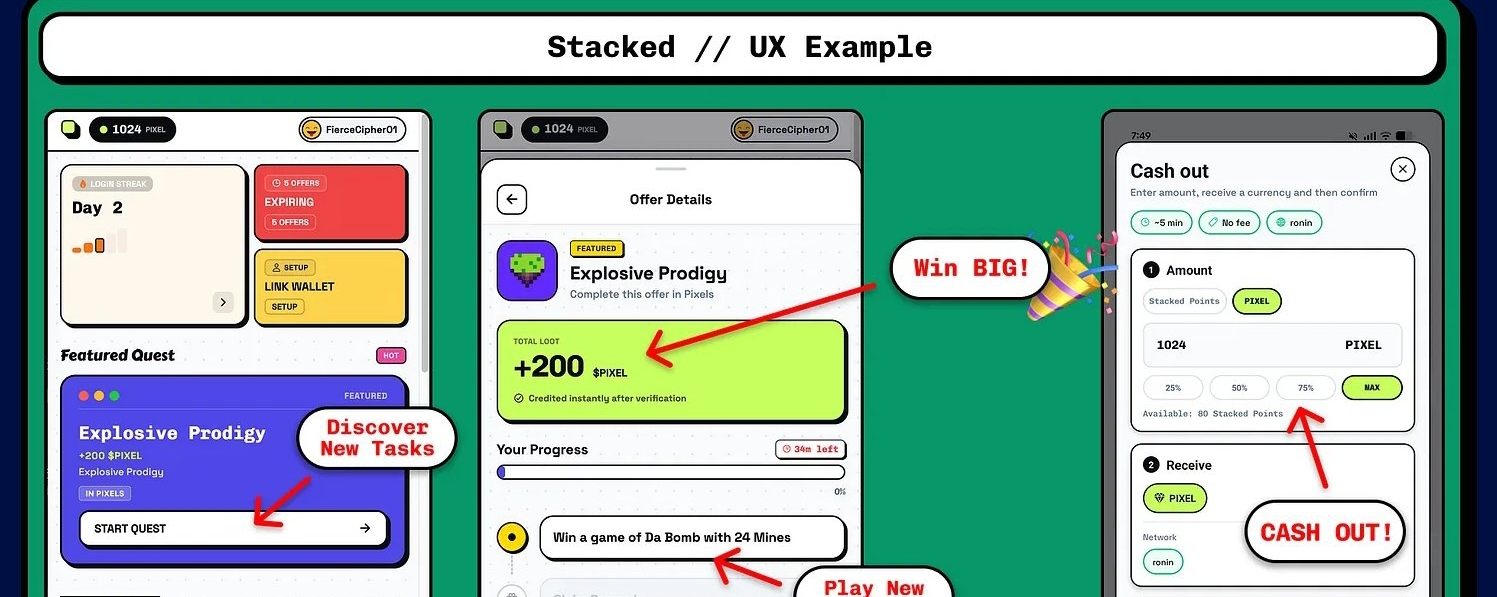
Initially, I only understood Web3 gaming as another trend. As a gamer, I spent hours in front of the screen farming tokens, only to see their value halve the very next day. The biggest pain of play-to-earn (P2E) has been hyperinflation and unsustainable economies. But when I started to deeply analyze the ecosystem of Pixels (PIXEL) and its underlying mechanics, I realized there is a better, data-driven way to manage gaming rewards and token inflation. Without any hype, to be honest, even if the token price is below its all-time high, its infrastructure is much stronger than before.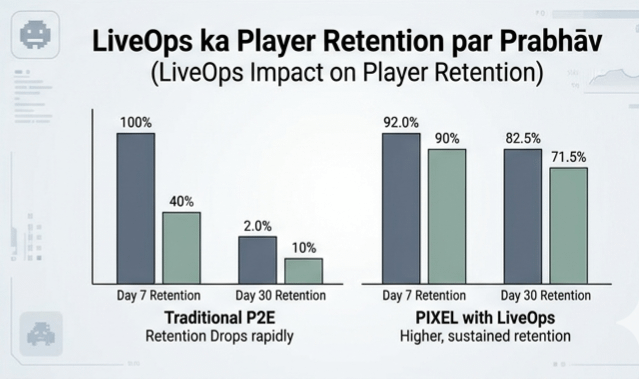
The old model of P2E games was simple: play, earn tokens, and sell them. Early projects like Axie Infinity showed the world both the strengths and flaws of this model. It became clear that if every new player comes only to extract tokens, then an economic crash is inevitable. Pixels have learned from this real-world example. They have stopped blindly distributing rewards. Now the focus is not just on user acquisition, but also on long-term user retention and sustainable tokenomics.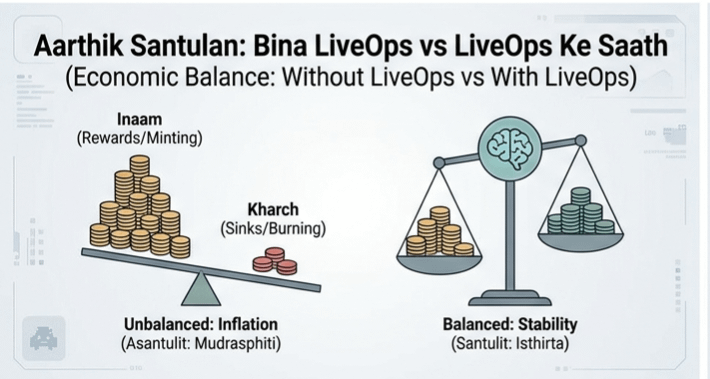 A sustainable Web3 game requires an economy that can adjust itself according to market fluctuations. This is where the Stacked LiveOps engine becomes the biggest game-changer.
So what exactly is this Stacked LiveOps engine? To put it simply, it is both the Central Bank and Data Brain of the game. Traditional games (like Clash of Clans) have been using LiveOps for years to keep players engaged with new events and updates. But in Web3, Pixels have integrated Stacked LiveOps with the on-chain economy. This engine monitors the game's data in real-time, tracking how many tokens are being minted, how many are being burned, and what player behavior is like. If the system sees that the supply of PIXEL tokens in the market is increasing too quickly compared to demand (inflation), then the LiveOps engine adjusts immediately. It can increase the crafting cost of in-game items or dynamically decrease the drop rates of quest rewards.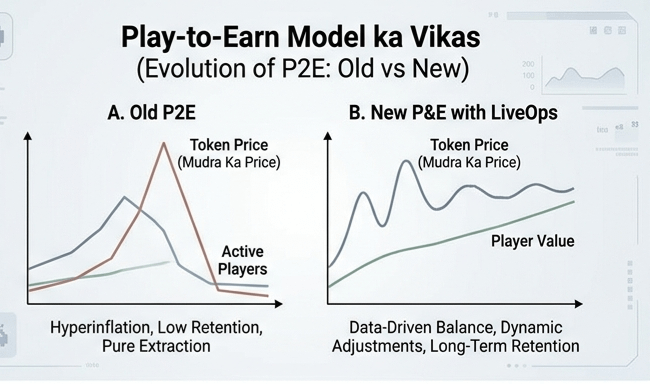
Its biggest real-world use case is to stop token inflation and balance the economy. Imagine a new event occurs in the game where many players suddenly start farming tokens. In old P2E models, this would cause a token dump in the market. But with Stacked LiveOps, the system automatically introduces sink mechanisms (like the need to purchase VIP passes or special items). Because of this dynamically adjusting system, the game's reward mechanism does not become predictable or boring, which is crucial for user retention. Players continuously receive new challenges and the utility of the token remains consistent. Rewards are only given to those players who are adding value back to the ecosystem. This is absolutely correct.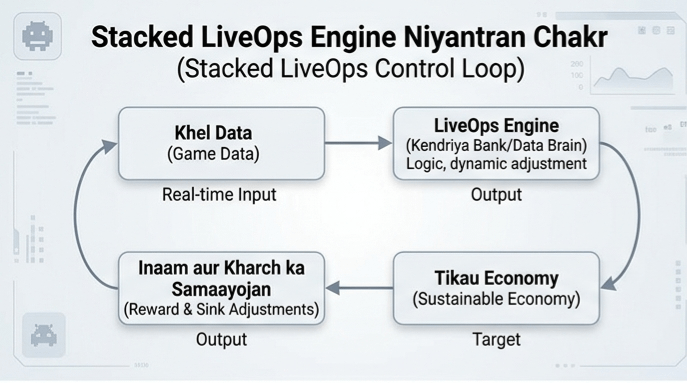
From the perspective of a gamer and analyst, my transparent review is that the PIXEL token is not part of a scheme to make anyone rich overnight. By using the Stacked LiveOps engine, the team has transformed play-to-earn into "play-and-earn," where equal importance is given to both gaming experience and economic stability.
The real victory of Web3 gaming is not just in the price of tokens, but in creating a sustainable economy that can last for years, and Pixels is taking a realistic step in that direction.