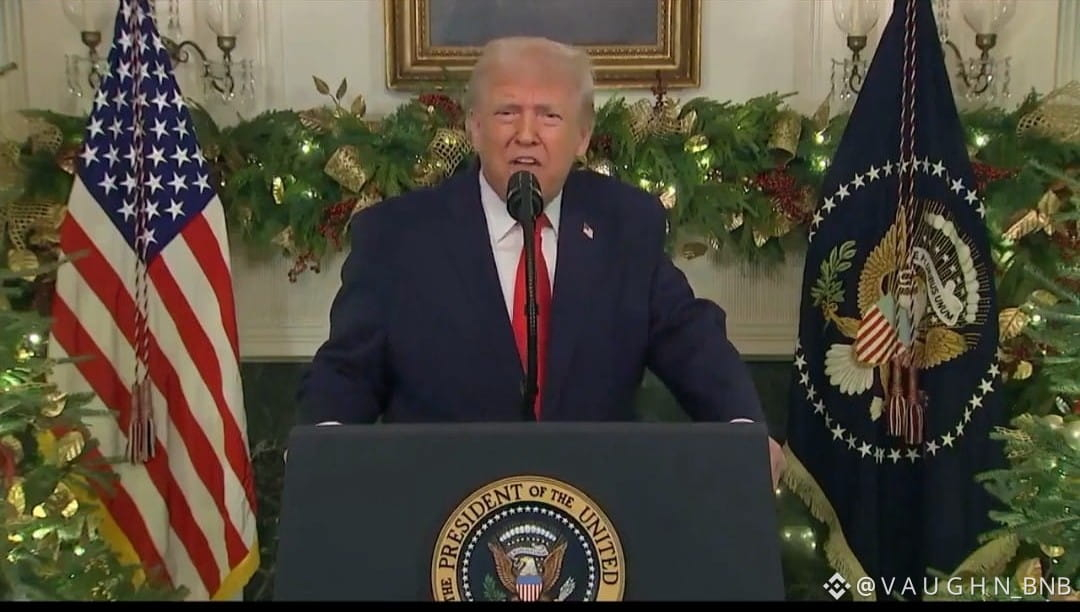
First, no verified announcement from Donald Trump or any official U.S. government source confirms that “every American household will keep $20K per year.” That number would imply an extremely large-scale tax overhaul—far bigger than even the Tax Cuts and Jobs Act, which was already considered historic.
A universal $20K annual tax reduction per household would cost trillions of dollars per year. For context, total federal income tax revenue in the U.S. is roughly in the same order of magnitude, meaning such a policy would require either: – massive spending cuts,
– huge increases in government debt, or
– entirely new sources of revenue.
None of these have been formally proposed at that scale.
What is realistic is that political figures often talk about “the biggest tax cut” as a campaign or economic vision statement. These phrases are usually broad and not final policy. In practice, tax reforms tend to: – target specific income brackets
– adjust corporate tax rates
– change deductions or credits rather than give flat cash-equivalent benefits
From a market perspective, even the idea of major tax cuts can create bullish sentiment. Investors often react positively because: – lower taxes can boost corporate profits
– consumer spending may increase
– business investment could rise
That’s why statements like this can trigger short-term excitement in stocks or crypto, even before any real policy exists.
But there’s a gap between narrative and reality. Markets may price in optimism quickly, yet actual legislation takes time, negotiation, and approval through Congress. Many proposals never fully materialize in the form they were originally announced.
So the smart takeaway: This is more of a sentiment-driven headline than confirmed economic policy. It can influence hype cycles, especially in speculative markets, but it shouldn’t be treated as guaranteed financial impact.
If you want, I can break down how *real* tax cuts historically affected markets and crypto — that’s where things get interesting.