

One of the biggest challenges in Web3 today is onboarding. Not just attracting users, but retaining them. The space is filled with complex interfaces, unfamiliar concepts, and high friction entry points.
For most people, it’s overwhelming.
That’s why Pixels matters more than it might seem at first glance.
It approaches onboarding from a completely different angle.
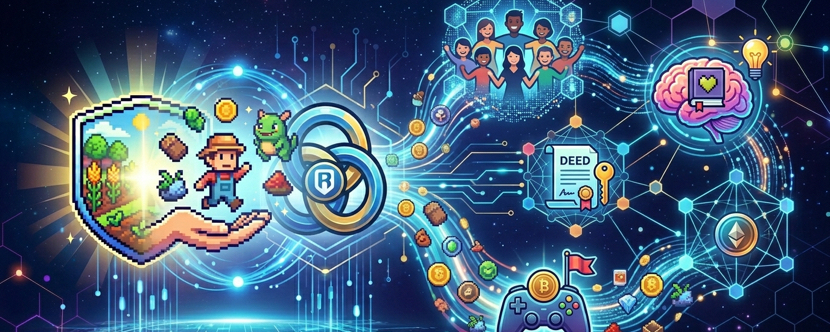
Instead of teaching users about wallets, tokens, and blockchain mechanics upfront, it introduces them to a game. A simple, engaging, easy-to-understand experience. The Web3 elements are there — ownership, economy, transactions — but they’re not the focus.
They’re in the background.
This changes the entire user journey.
When someone plays Pixels, they’re not thinking, “I’m entering Web3.”
They’re thinking, “I’m playing a game.”
And over time, as they interact with the system, they naturally become familiar with its underlying mechanics. They learn by doing, not by studying.
This is a much more effective onboarding strategy.
The partnership with Ronin Network plays a key role here. Ronin has already streamlined many of the complexities associated with blockchain gaming. It offers a smoother user experience, making it easier for new players to get started without friction.
But the real innovation is in design philosophy.
Pixels understands that the best way to onboard users is not to teach them everything at once. It’s to give them something enjoyable, something they want to return to, and then gradually introduce deeper layers.
This is how mainstream adoption happens.
Not through complexity.
Not through technical explanations.
But through experiences that feel natural.
Pixels is not trying to force Web3 into gaming.
It’s letting gaming lead… and allowing Web3 to follow.
And that might be the smartest move the industry has seen so far.