
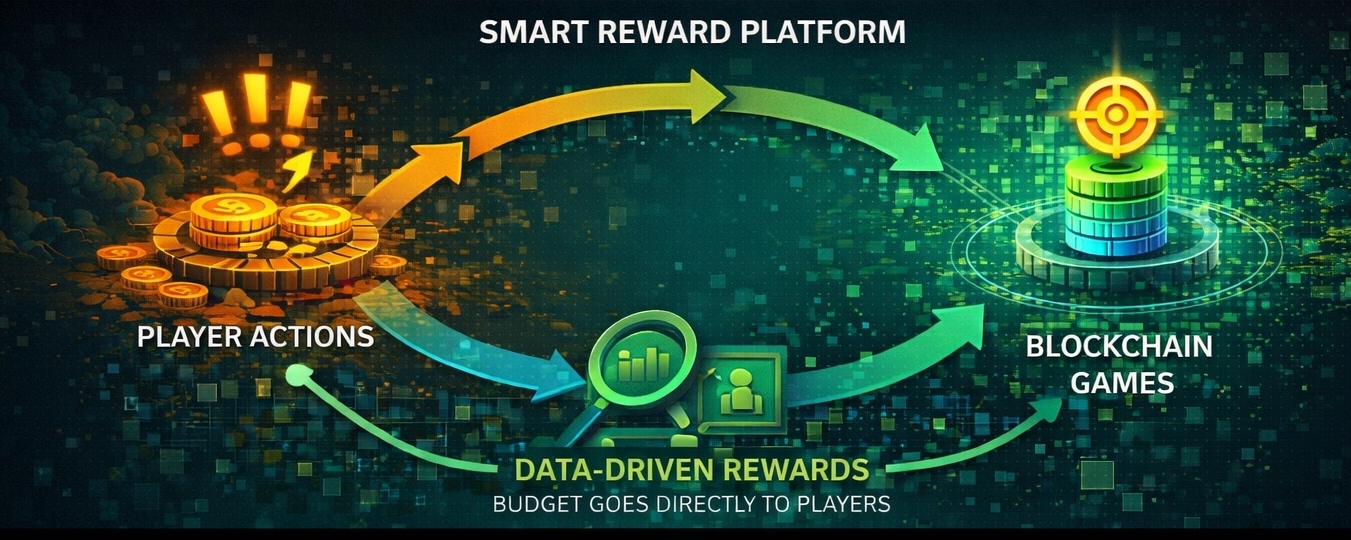
Scrolling through the @Pixels whitepaper, one idea really stuck with me — rewards are no longer just rewards. In Pixels, they’re treated more like targeted actions that directly push the ecosystem forward.
Instead of spending money on traditional ads, Pixels flips the entire model. Normally, game studios pay platforms like Google or Meta just to show ads, hoping users might engage. But here, that same budget goes directly to players — only after they actually do something meaningful. That could be finishing a tutorial, returning consistently, inviting friends, or even making their first purchase.
This small shift changes everything.
Now, rewards are not random. They are tied to real actions that improve the game’s performance. And what I find interesting is how this creates a clear connection between effort and value. Players are not just passive participants anymore — they’re actively contributing to growth.
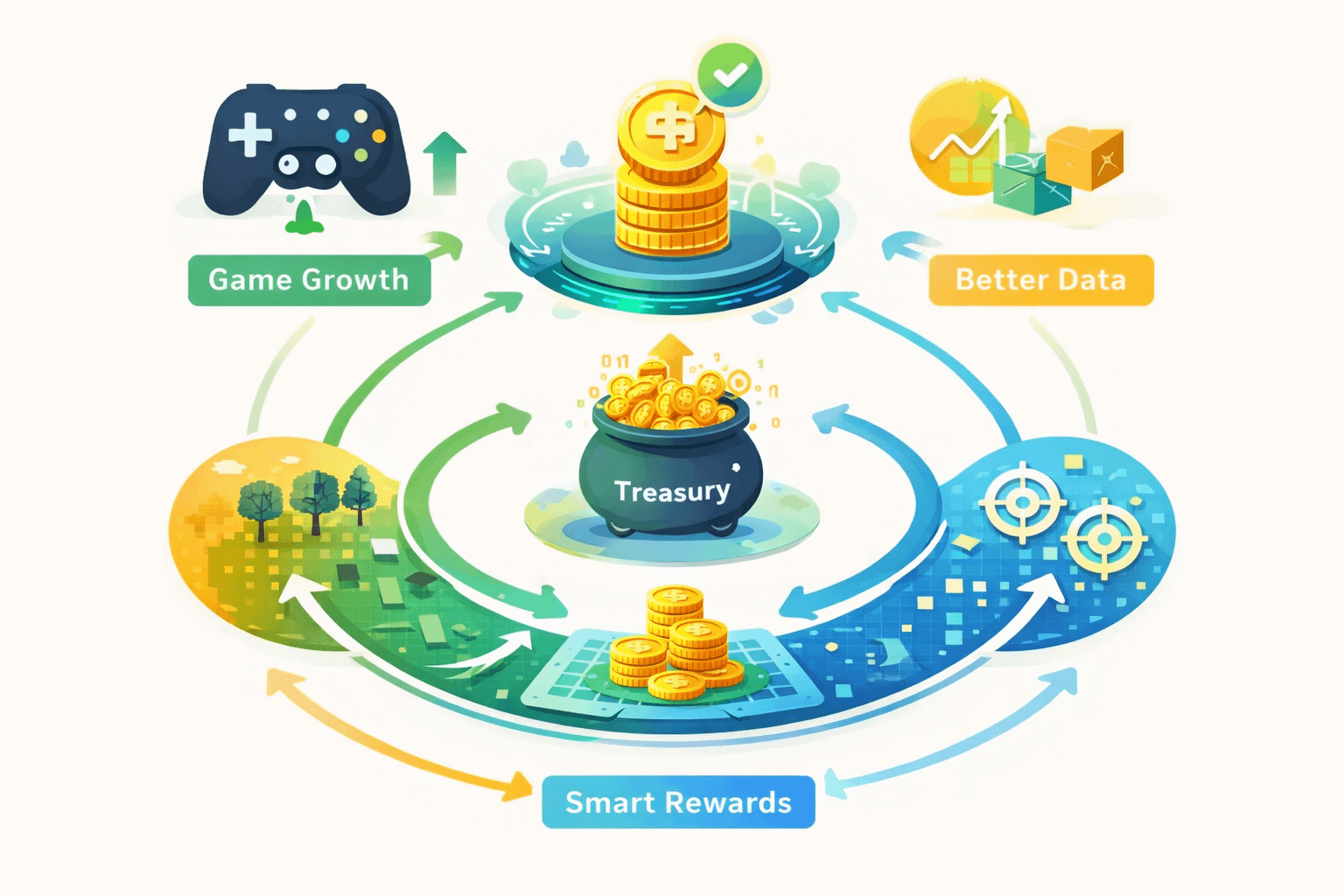
Another detail that caught my attention is transparency. Every token flow can be tracked from treasury to user. That means studios can clearly see how much they’re spending and what they’re getting in return. In traditional systems, user acquisition costs often feel like a black box. Here, it’s visible and measurable.

But the real strength of Pixels comes from how it uses data.
The ecosystem collects insights from multiple games — player behavior, retention patterns, spending habits. This isn’t just stored; it’s analyzed to predict what actions actually matter long-term. Things like lifetime value (LTV), retention probability, and engagement quality become part of the decision-making process.
So instead of guessing, Pixels starts optimizing.
This creates what they call a data loop. Better games bring better players. Better players generate better data. Better data leads to smarter rewards. And smarter rewards improve the ecosystem even more. It’s a cycle that keeps refining itself over time.
From my perspective, this feels less like a single game and more like an intelligent platform.
Another part that deserves attention is how easy it is for studios to join. With tools like the Pixels Events API, developers can integrate quickly, track user actions, and start designing reward strategies almost immediately. The process feels simplified — define goals, fund rewards, and monitor performance in real time.
What I personally like is that studios still keep ownership of their data. They benefit from shared insights without losing control. That balance is something many platforms struggle to achieve.
At the same time, players benefit too. Instead of being treated as “eyeballs” for ads, they become the ones who receive value directly. Their time, actions, and engagement finally feel recognized in a more meaningful way.
To me, this is where Pixels stands out.
It’s not just trying to build a game or even a group of games. It’s building a system where growth, rewards, and data are all connected in a smart and transparent loop.
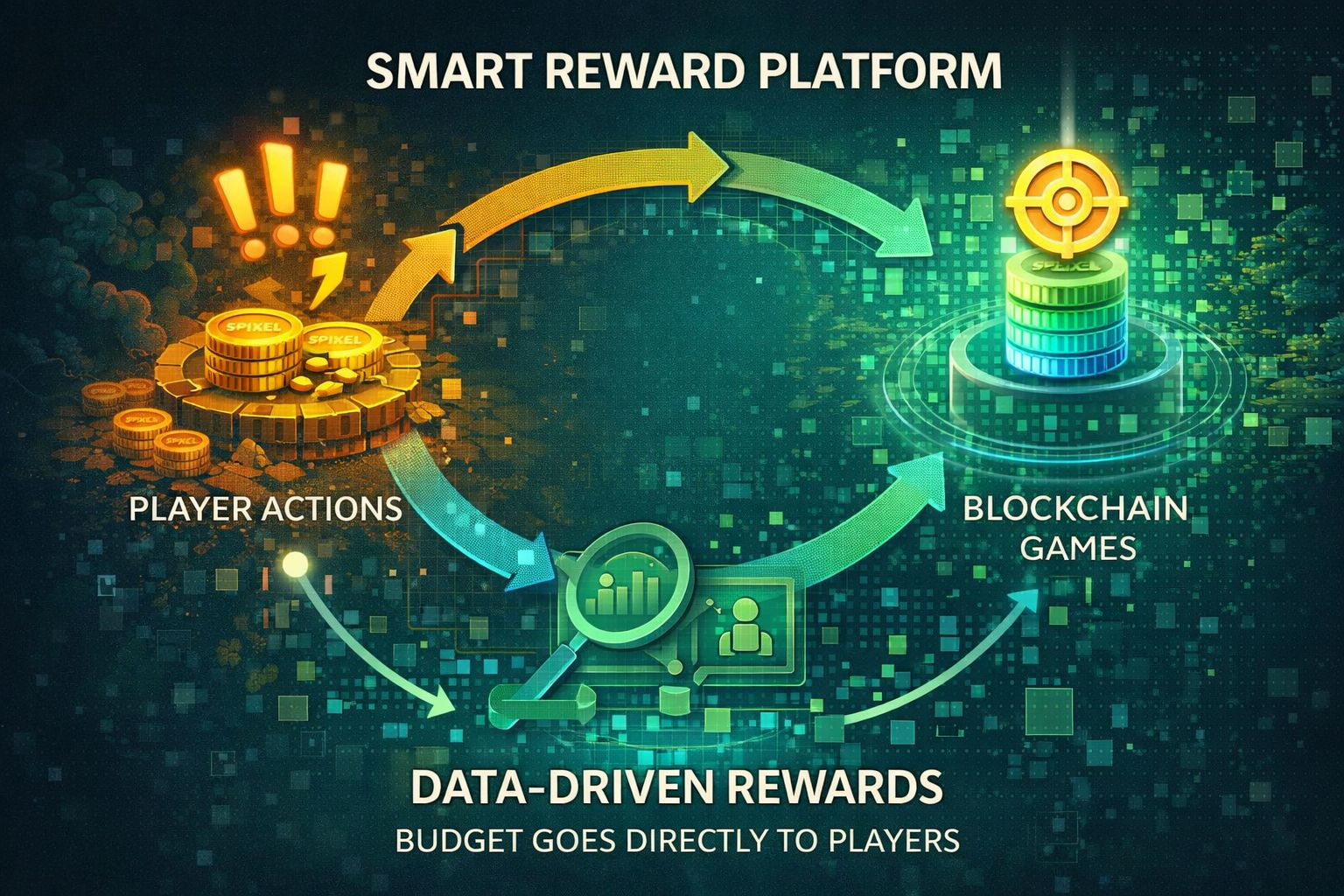
If this model works as intended, it could change how user acquisition and rewards function not just in Web3, but in gaming as a whole.
And that’s why @Pixels feels less like a trend… and more like a shift in how the system itself is designed.