
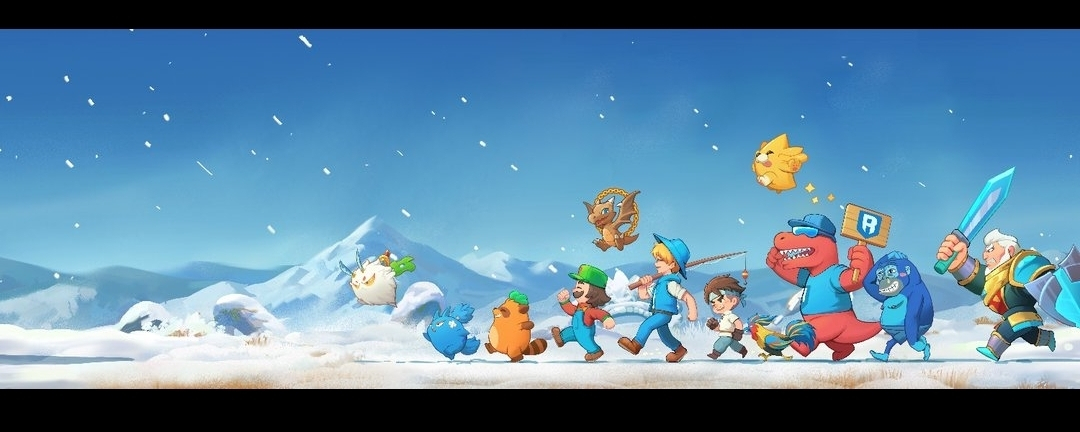

Ronin is a blockchain sidechain built just for gaming, created by Sky Mavis—the team behind Axie Infinity. It’s made to handle the rapid-fire, low-cost transactions gaming needs, something the Ethereum mainnet just can’t keep up with. Players can move assets onto Ronin, play at lightning speed, and send them back to Ethereum whenever they want.
Why Go With a Sidechain Instead of Ethereum Mainnet?
Mainnet Ethereum has a few big headaches for gamers:
- Gas fees are wild—anywhere from $5 to $50 (or more) per transaction. That kills play-to-earn.
- Speed isn’t great either. Blocks take 15 seconds or more, and things get clogged when lots of people jump in at once.
- Congestion gets even worse in bull markets—transactions back up, and games just slow to a crawl.
- All of this ruins the user experience. Players can’t wait several minutes for a simple move or trade. Fast-paced games need split-second actions, not delays.
Ronin solves these problems by running as a gaming-focused sidechain. No more bottlenecks.
Scalability
Ronin uses Proof of Authority, not Proof of Work. Instead of thousands of nodes like Ethereum, it relies on a smaller group of trusted validators (just 21 to start with). Here’s what that changes:
- Throughput shoots up—Ronin can handle over 500 transactions per second, while Ethereum crawls at 15.
- Validators don’t need fancy hardware, making it easier to keep things decentralized.
- No more unpredictable performance. Even when markets get busy, the experience stays smooth.
- Everything in Ronin’s design focuses on games—micro-transactions, trades, claiming rewards—so nothing slows down when millions get involved.
Speed and User Experience
Ronin block times are fast—about three seconds, compared to Ethereum’s 12-15. Gamers want quick responses:
- Mint NFTs in seconds, not minutes.
- See battle results instantly.
- Trade on the marketplace with zero lag.
- Claim quest rewards right after you finish.
That kind of speed is what makes blockchain gaming actually fun.
Lower Fees
Costs matter when you’re gaming a lot. Take a look:
- On Ethereum, minting an NFT costs $5 to $50. Trading? Another $2 to $10 each time.
- On Ronin, you pay anywhere from a penny to fifty cents per transaction.
That’s a huge difference, especially if you’re making dozens or hundreds of transactions each day just playing. Most play-to-earn players make $1 to $5 daily—so Ethereum fees would eat it all up. With Ronin, play-to-earn is finally possible.
Bridge Security
Ronin’s bridge to Ethereum relies on multiple validators to secure all cross-chain transfers. Players deposit ETH or USDC onto Ronin, play, and then withdraw back to Ethereum anytime. The bridge keeps everyone’s assets safe, so players don’t have to worry about losing what they’ve earned.
Why This Matters for Pixel
Pixel running on Ronin changes the entire game:
- Players actually keep their earnings—fees don’t eat up the profits.
- The game feels responsive and fast, not clunky or slow.
- New players, especially in countries where every dollar matters, can join in without huge startup costs.
- Ronin can handle millions of players without breaking a sweat.
With Ronin, blockchain gaming finally feels just as smooth and rewarding as regular games. For Pixel, it means leveling the playing field and hitting a whole new scale, making blockchain gaming competitive for real.