
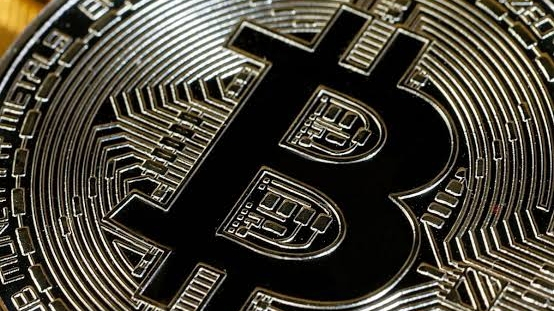
Bitcoin is the first digital currency that successfully changed the way humans view the financial system. Created in 2009 by an individual or group of anonymous individuals under the pseudonym Satoshi Nakamoto, Bitcoin serves as a solution to the traditional financial system that relies on intermediaries like banks. With blockchain technology, Bitcoin allows transactions to be made directly between users without the need for a third party.
Blockchain is the core technology behind Bitcoin. It is a digital ledger that records all transactions transparently and in a decentralized manner. Each transaction made will be verified by a global network of computers called nodes. Once verified, the transaction is added to a block and incorporated into the previous block chain. This system makes Bitcoin very difficult to counterfeit or manipulate.
One of the main advantages of Bitcoin is its decentralized nature. Unlike conventional currencies that are controlled by central banks or governments, Bitcoin has no central authority. This provides more freedom to users, especially in countries with unstable financial systems. Moreover, Bitcoin also offers a higher level of privacy, although all transactions are still recorded publicly on the blockchain.
Bitcoin is also known for its limited supply. There will only ever be 21 million Bitcoins in existence in the world. This scarcity often leads Bitcoin to be considered as "digital gold." Many investors view it as a hedge against inflation, especially when the value of fiat currency declines. However, the high price volatility of Bitcoin is also a concern. Its value can rise and fall drastically in a short period, making it risky for inexperienced investors.
In recent years, the adoption of Bitcoin has increased significantly. Many large companies are starting to accept Bitcoin as a payment method. Additionally, financial institutions are beginning to recognize its existence by providing related crypto services. This shows that Bitcoin is no longer just a technology experiment, but has become part of the global economic system.
However, Bitcoin also has its challenges. One of them is the regulatory issue. Many governments are still hesitant to regulate the use of Bitcoin due to its untraceable nature and potential use for illegal activities. Additionally, the process of Bitcoin mining requires a significant amount of energy, raising concerns about its environmental impact.
On the other hand, Bitcoin has paved the way for innovation in the financial world. The concept of decentralization it introduces has inspired the emergence of various other cryptocurrencies and blockchain-based applications. This technology is also used in various sectors, such as logistics, healthcare, and digital identity.
Overall, Bitcoin is an innovation that has great potential to transform the global financial system. Although it still faces various challenges, its existence has opened up new discussions about the future of money and how humans conduct transactions. With the ongoing advancements in technology, Bitcoin is likely to remain an important topic in the world of economics and technology in the future.
#BitcoinPriceTrends #BELIBITCOIN #BELIBTC $BTC
