
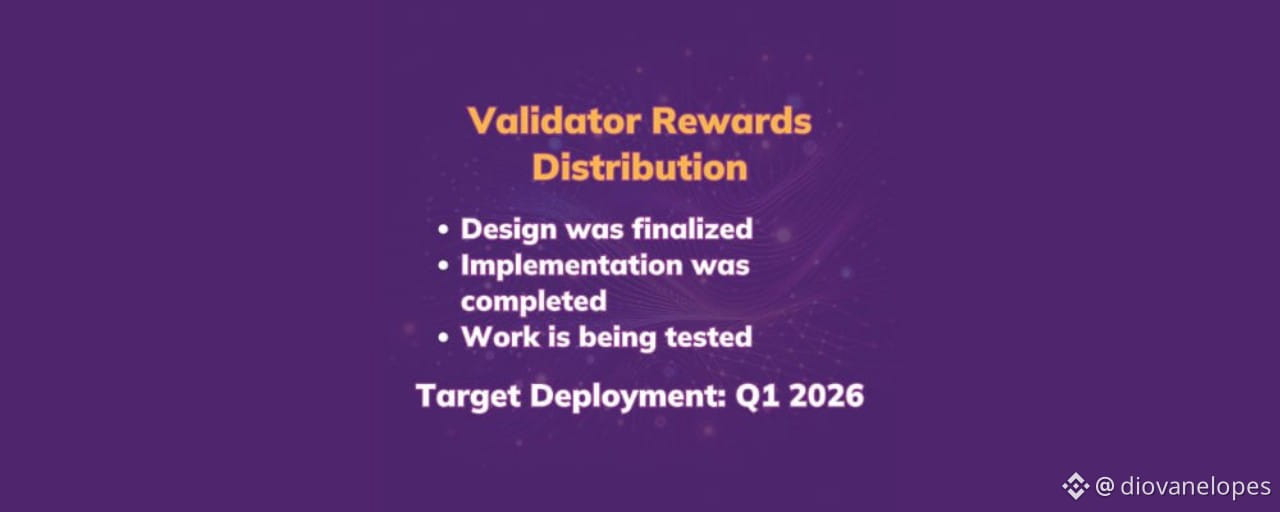
Many pioneers of the Pi Network have finally started receiving their validation rewards in the Mainnet wallet. However, a common question has arisen in the community: why does the amount for validation seem so low in this first round?
In this article, we will demystify the rewards system for validators and explain what you need to do to ensure your earnings.
1. The Eligibility Criterion: The Magic Number is 50
To receive the rewards for this first round (referring to the period until March 5, 2026), it is not enough to just be a validator. The main criterion is to have completed at least 50 successful validations that have reached the majority consensus. If you have less than that, unfortunately, you will not receive anything in this stage.
2. Where are the Rewards Paid?
The payment is automatically transferred to your Pi Wallet. It is essential that your wallet is correctly registered and confirmed in steps 3 and 6 of your Mainnet Checklist.
Important Tip: If your wallet has been compromised or you lost the recovery phrase, create a new one and update the checklist immediately.
3. Reality vs. Expectation: The Calculation Behind the Value
Many believed that 1 Pi of KYC fee would be split among 4 or 5 people. But the reality of the Pi Network design is more complex to ensure privacy and security.
The system fragments user information (name, photo, document, proof of life). Each fragment requires validation from at least two different people. In practice, this means that, on average, 20 human validations are needed to complete a single KYC process.
The math is simple: If 1 Pi is paid by a pioneer who does the KYC and this process requires 20 fragmented validations, the average value per "click" or individual validation is around a small fraction of Pi.
4. The Future of Rewards
The value per validation is not fixed. It fluctuates according to variables like the total Pis accumulated in KYC fees and the total volume of validations carried out. In the upcoming rounds, this value may increase as Artificial Intelligence (AI) is trained by human validations, reducing the need for so many validators per process and potentially increasing the share of those who participate.
Conclusion
Although the individual balance per validation may seem low now, the KYC system of Pi Network is a robust and decentralized product that values data security. If you are an active validator, keep your checklist up to date and continue contributing to the security of the network!
Did you like the content? Follow for more updates on the crypto ecosystem and the Pi Network!