
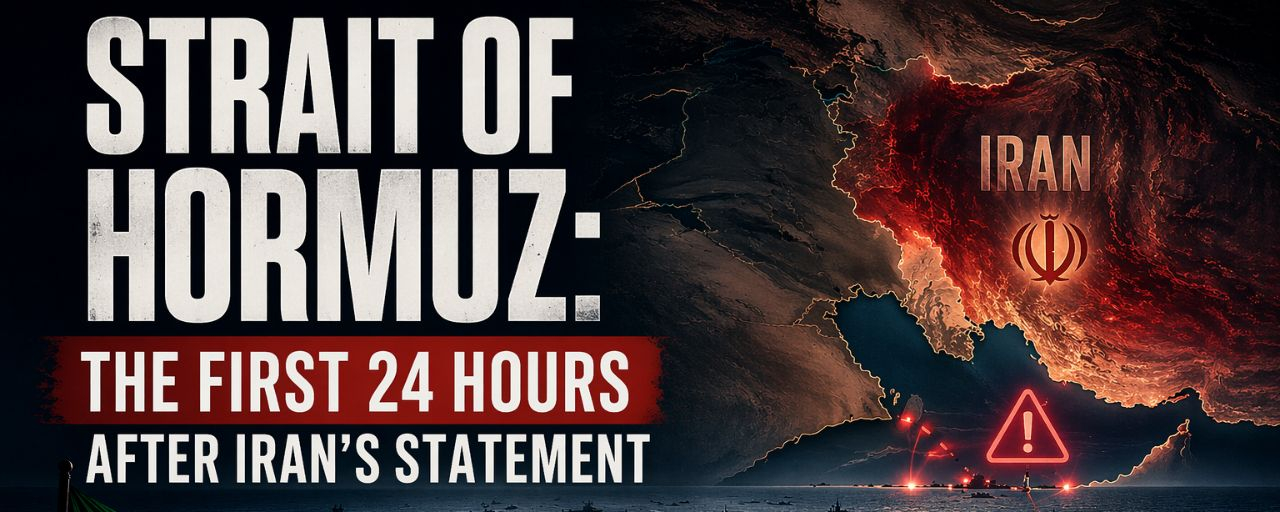
On April 17, Iran stated that the Strait of Hormuz remains open for commercial shipping. Let's analyze what happened in the first 24 hours following this statement and how it affected the prospects for further developments in the region. We will also review the status of the main logistics centers.
First hours
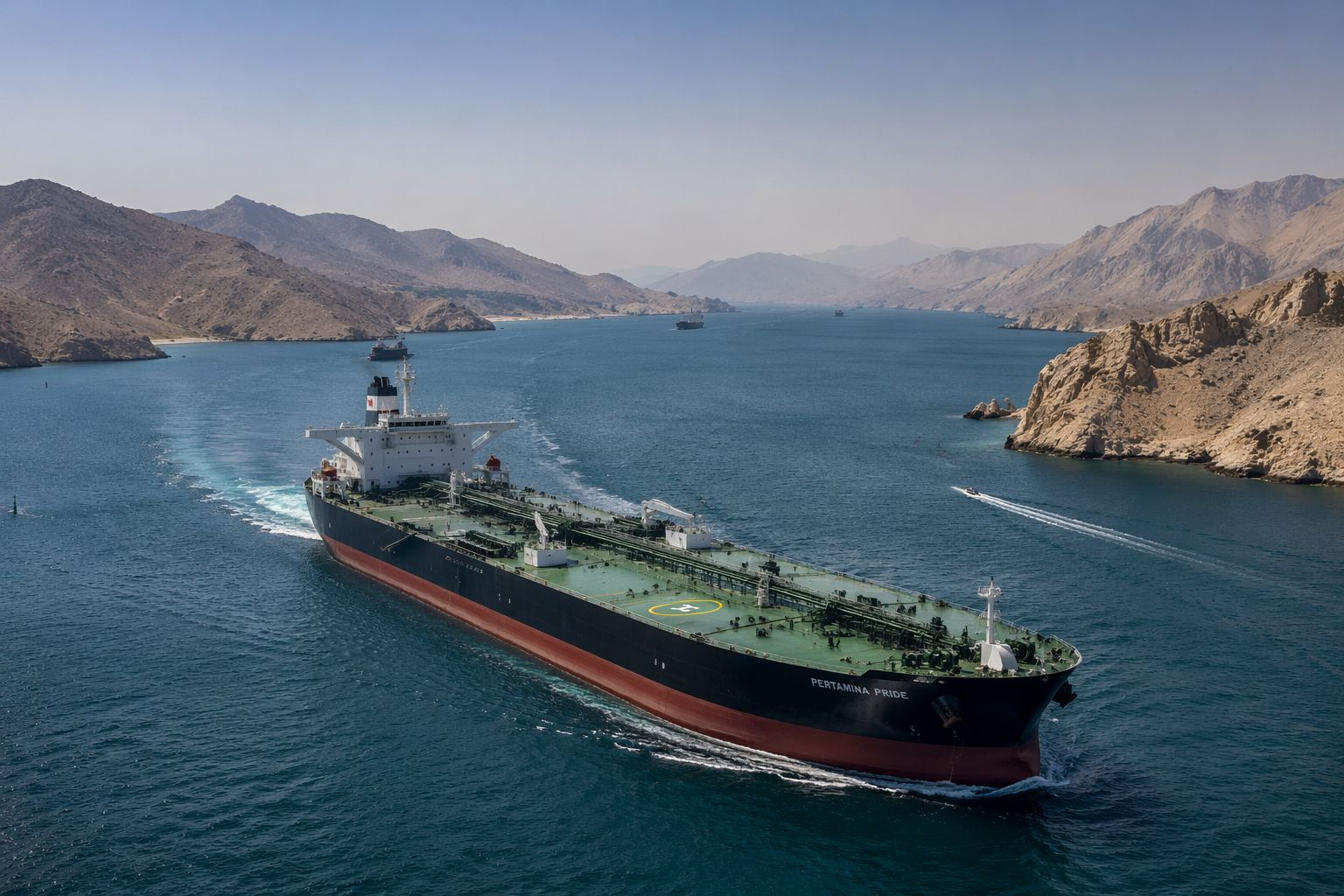
In the first hours after the statement, the key factor was the absence of any signs of deterioration in the situation. Shipping through the Strait of Hormuz continued uninterrupted, tankers did not change routes, and logistical chains remained stable. This amplified the effect of the statement: the market received not only a political signal but also confirmation at the level of actual cargo movement.
Full passage of commercial tankers in the first hours after the statement:
Front Eagle
Nissos Kea
New Vision
Sohar Max
Kriti Ruby
Dynamics of the first 24 hours
During the first day, the market went through three conditional phases: first, a decrease in geopolitical tension, then confirmation of stability through the actual absence of changes in logistics, and finally, the formation of a short-term impulse in risky assets. By the end of the 24-hour period, it became clear that the market not only reacted to the news but began to form a local trend. However, this movement was based not on structural changes in the region but on a reassessment of the probabilities of the risk scenario.
Summary of the first 24 hours
By the end of the day, it became clear that the market was forming a short-term upward dynamic. However, this growth was based not on changes in the fundamental geopolitical situation but on a decrease in the probability of a negative scenario. In other words, the market reacted not to improved conditions but to the absence of deterioration.
Reaction of financial markets
Against the backdrop of the absence of escalation, markets began to gradually change the structure of risks. Investors shifted from defensive behavior to partial return to risky assets. The cryptocurrency segment was among the first to react to changes in expectations. Importantly, this movement was accompanied not only by short-term position covering but also by the emergence of new demand, indicating a return of liquidity to the speculative sector. Bitcoin showed growth, acting as an indicator of the recovery of risk-on sentiments.
An additional confirmation of the change in global risk sentiment was the institutional reactions in financial and commodity markets. After the statement regarding the opening of the Strait of Hormuz, the macro desks of leading investment banks, including JPMorgan Chase, Goldman Sachs, and Morgan Stanley, recorded a rapid decrease in the geopolitical premium in oil, which synchronously reflected in the decline of energy futures and the weakening of the dollar as a safe asset.
At the same time, key shipping operators such as A.P. Moller–Maersk and Hapag-Lloyd, as well as insurance markets like Lloyd's of London, adopted a cautious position, emphasizing that the recovery of passage through Hormuz depends not on political statements but on actual risk assessments and insurance rates.
Raw material traders, including Vitol and Trafigura, adjusted short-term risk premiums, indicating the market's transition to a phase of reassessment rather than full normalization.
Importantly, this movement was accompanied not only by short-term position covering but also by the emergence of new demand, indicating a return of liquidity to the speculative sector.
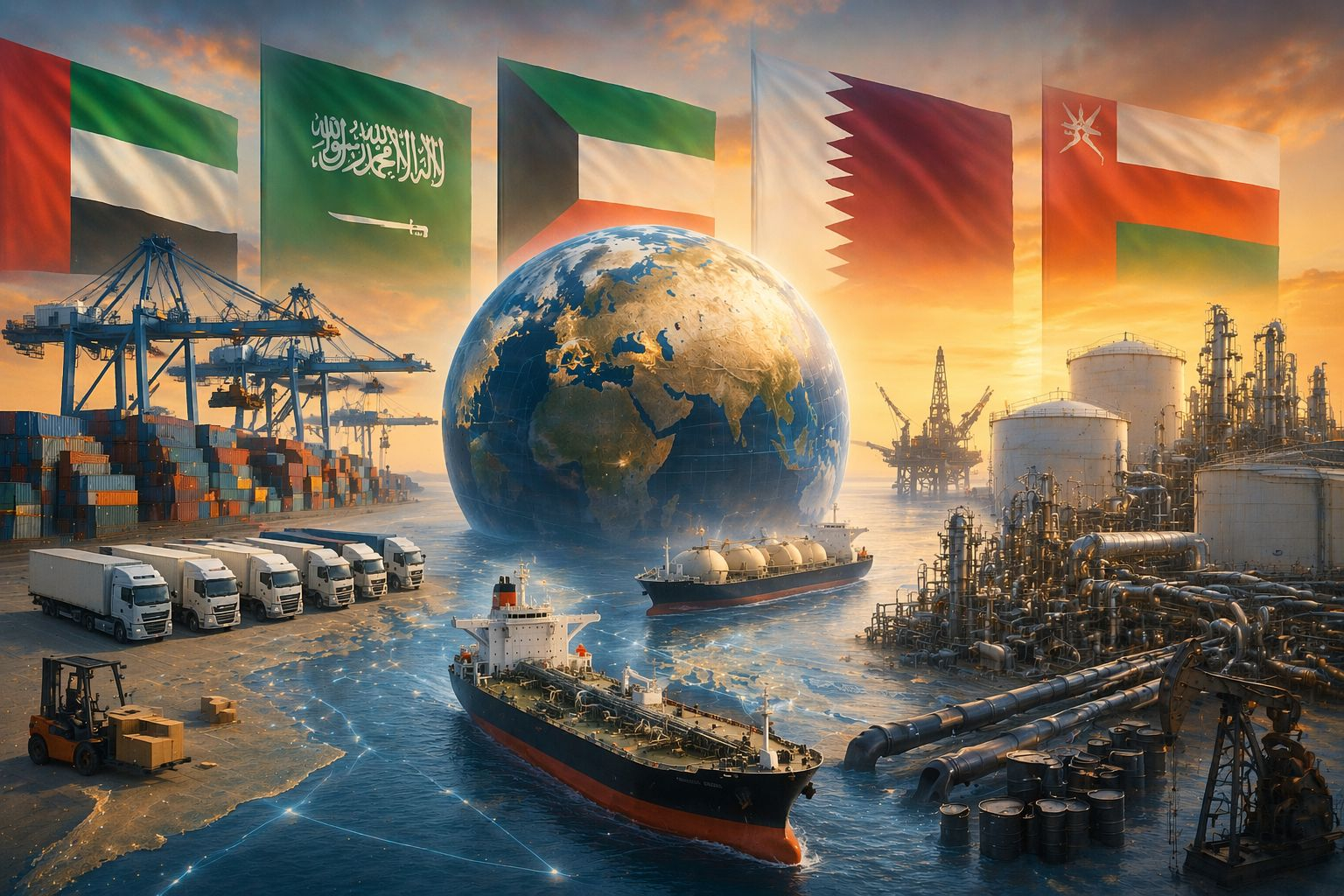
Logistical centers
United Arab Emirates
Export operations unchanged in routes and without signs of logistical turbulence.
Saudi Arabia
Maintained stable oil supply volumes and did not adjust energy logistics.
Kuwait
No extraordinary measures in the field of exports were introduced.
Qatar
Continued LNG supply through standard routes, including transit through Hormuz.
Oman
Confirmed stability and absence of restrictions for shipping.
Resilience of the situation and risks
Despite the positive dynamics, the Hormuz region remains highly sensitive to informational shocks. Current stability does not mean the removal of geopolitical risks but only their temporary reduction in market assessments. Any new escalation or change in rhetoric can quickly reverse the current movement, as the structural causes of tension remain unchanged.
Conclusion
The first 24 hours demonstrated a key feature of modern financial markets: the decisive factor is not only events but also changes in expectations regarding their possible development. The trend remains neutral-positive, with a significant reduction in the prospect of radical escalation.