The first time I tried to understand game economies, I focused on mechanics. Numbers, rewards, burn rates. But over time, I realized something more important—economies don’t break because of math alone. They break because of people.
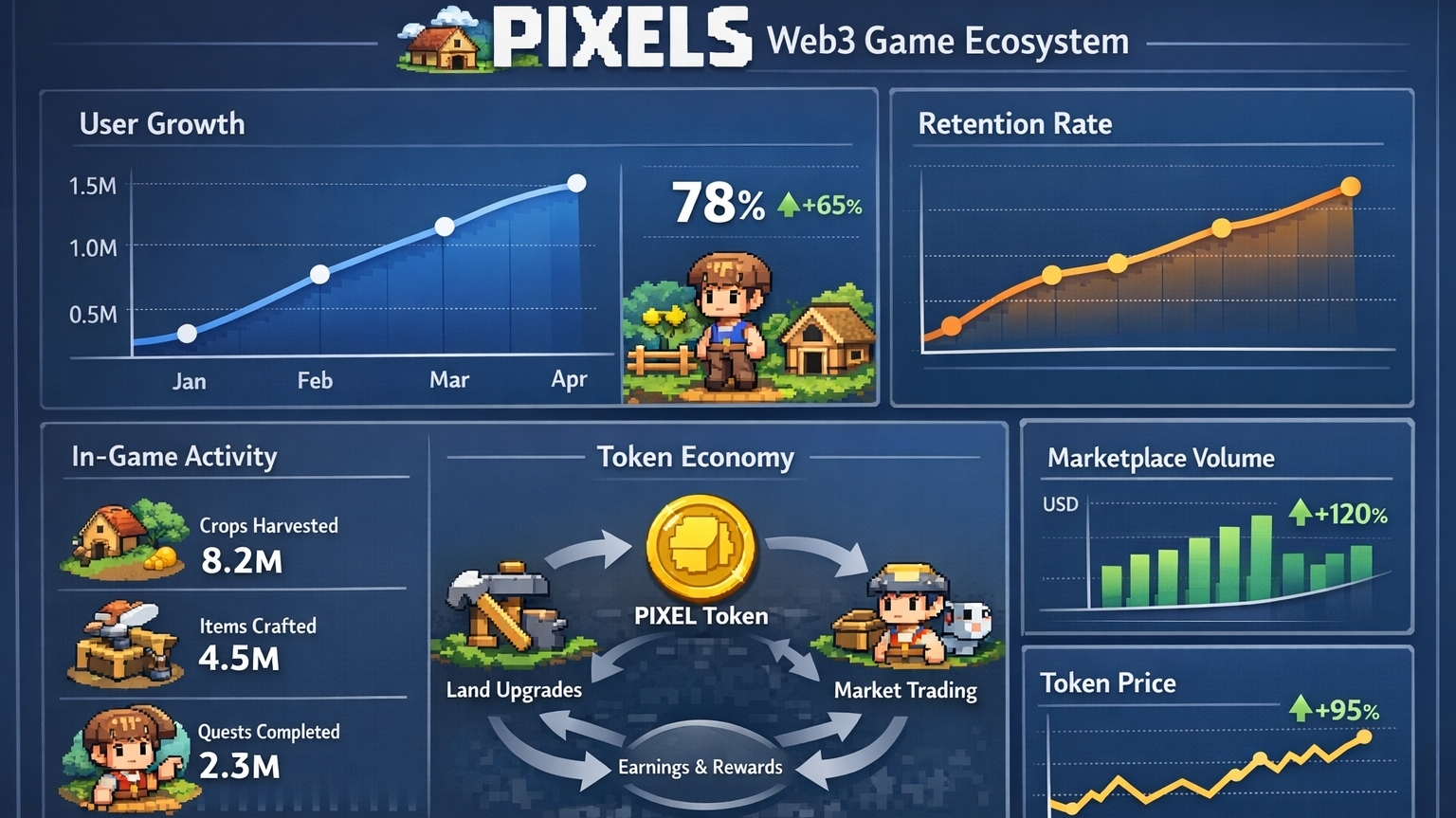
In games like Pixels, the system of faucets and sinks isn’t just about balance sheets—it’s about human behavior. Give players too many rewards, and they don’t value them. Make progression too expensive, and they feel punished. We’re not rational actors. We’re emotional participants reacting to perceived fairness, opportunity, and control.
That’s where things get interesting. When a mem coin enters the ecosystem, it amplifies this behavior. Speculation kicks in. Some players stop playing the game and start playing the market. Others chase hype instead of progression. Suddenly, the economy isn’t just about farming or crafting—it’s about belief, timing, and crowd psychology.
The land system, rewards, and sinks all tie back to one simple truth: people compare. If someone feels another player has an unfair edge, motivation drops. If they feel early, lucky, or smart—they stay longer.
At the end of the day, balancing faucets and sinks isn’t just economic design. It’s managing human expectation. And that’s a much harder system to control.