
Why top gainer like $HIGH also attract me when I open the chart of it, it's show massive pump but my focus is only on Pixel Campaign.
I have opened enough Web3 game interfaces to feel like many of them were never actually tested on a human being.
Buttons with no purpose menus that assume you already understand everything wallet connections that fail silently leaving you unsure whether the mistake was yours or the systems.
It is not a few bad projects it is a pattern most Web3 games are built by people who understand blockchain deeply but not necessarily the experience of a first-time user.
So when I first loaded Pixels I expected more of the same.
Surprisingly the experience was different.
The dashboard is browser-based, which already removes friction no launcher, no installs.
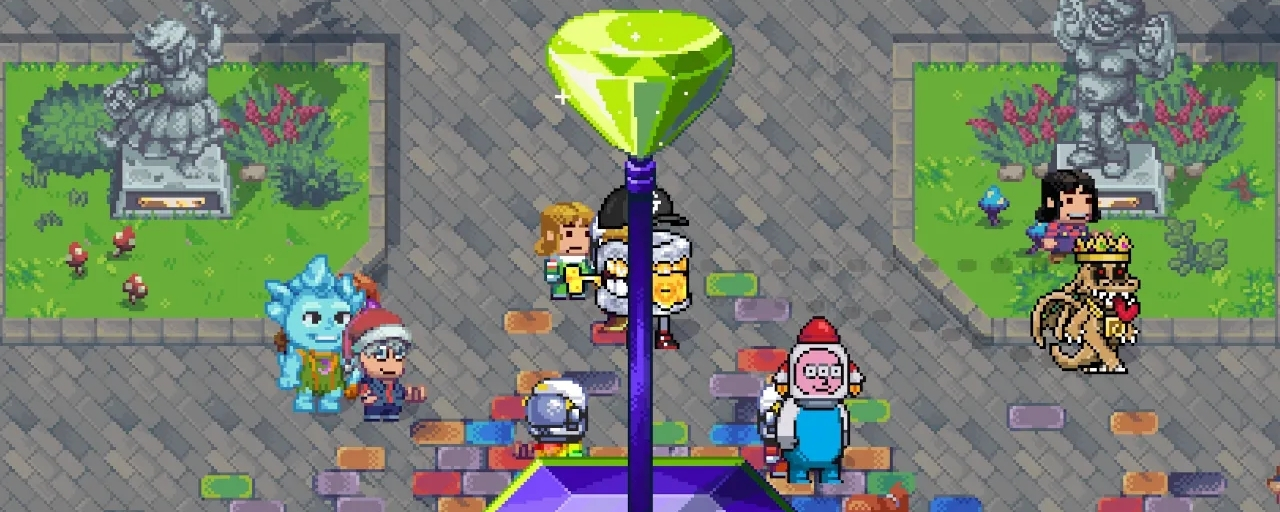
You log in connect your Ronin wallet and enter a top-down pixel world.
The retro visual style plays a role here because it looks intentionally minimal the interface avoids feeling overwhelming even when there is a lot happening.
Navigation is straightforward a hotbar at the bottom gives access to inventory, quests, map and settings.
Within minutes I was able to find what I needed without relying on guides, an expectation but one many Web3 games still fail to meet.
The quest tracker is visible but not distracting the map is readable these are things but they matter.
Where things start to break down is when the blockchain layer becomes visible.
Any action that requires an on-chain transaction interrupts the flow you are suddenly dealing with wallet confirmations waiting for processing then returning to a game that does not always clearly reflect whether your action succeeded.
That uncertainty creates friction. It is less about Pixels itself more about the current limitations of on-chain gaming as a whole.
The inventory system works,. Only to a point as resources pile up it becomes harder to manage.
Sorting options are limited and finding items often means excessive scrolling it is not broken, but it is not smooth either and over time that friction adds up.
The land management interface feels like the polished part the functionality exists, but the layout assumes prior knowledge.
For players, especially landowners the learning curve is steeper than it should be.
What Pixels does well is protect its core experience, the gameplay loop, moving, farming, interacting feels intuitive and unobstructed.
The UI in these moments supports the player of slowing them down.
The issues mostly appear at the edges, where gameplay meets blockchain infrastructure.
That is probably the honest way to describe it the game layer feels thoughtfully designed, while the Web3 layer still feels like a work, in progress.
Whether that trade-off is acceptable depends on how engaging you find the game itself.
For me it was engaging enough to continue. I still kept a wiki tab open in the background, which says a lot.