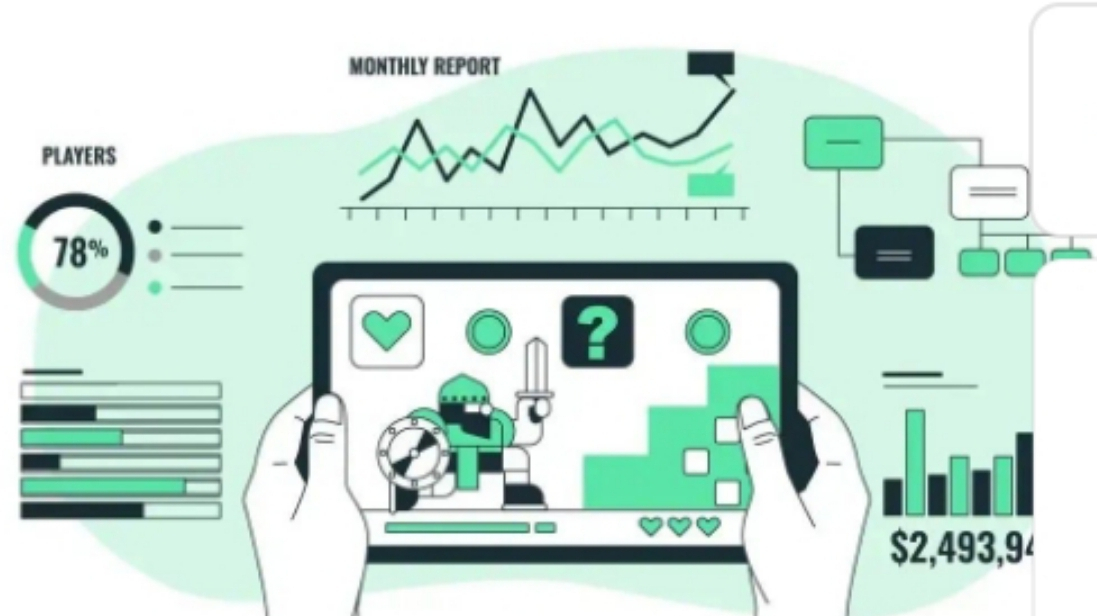
I’ve been thinking less about Pixels as a game lately, and more about what it quietly reveals about how we behave when no one is forcing us to do anything.
At the start, everything feels open. You can farm, explore, trade, or just wander without pressure. And most people do exactly that — they follow what feels easy, familiar, or immediately rewarding. That’s just human nature. We drift toward comfort before we ever think about optimization.
But over time, something changes.
Not in the game itself, but in the player.
You start noticing that not all effort feels the same. Some actions seem to carry weight, while others feel like you’re moving but not really going anywhere. And instead of being told what matters, you begin trying to sense it. That shift is subtle, but it’s deeply human. We’re wired to look for patterns, even when they’re not clearly visible.
That’s where things get interesting.
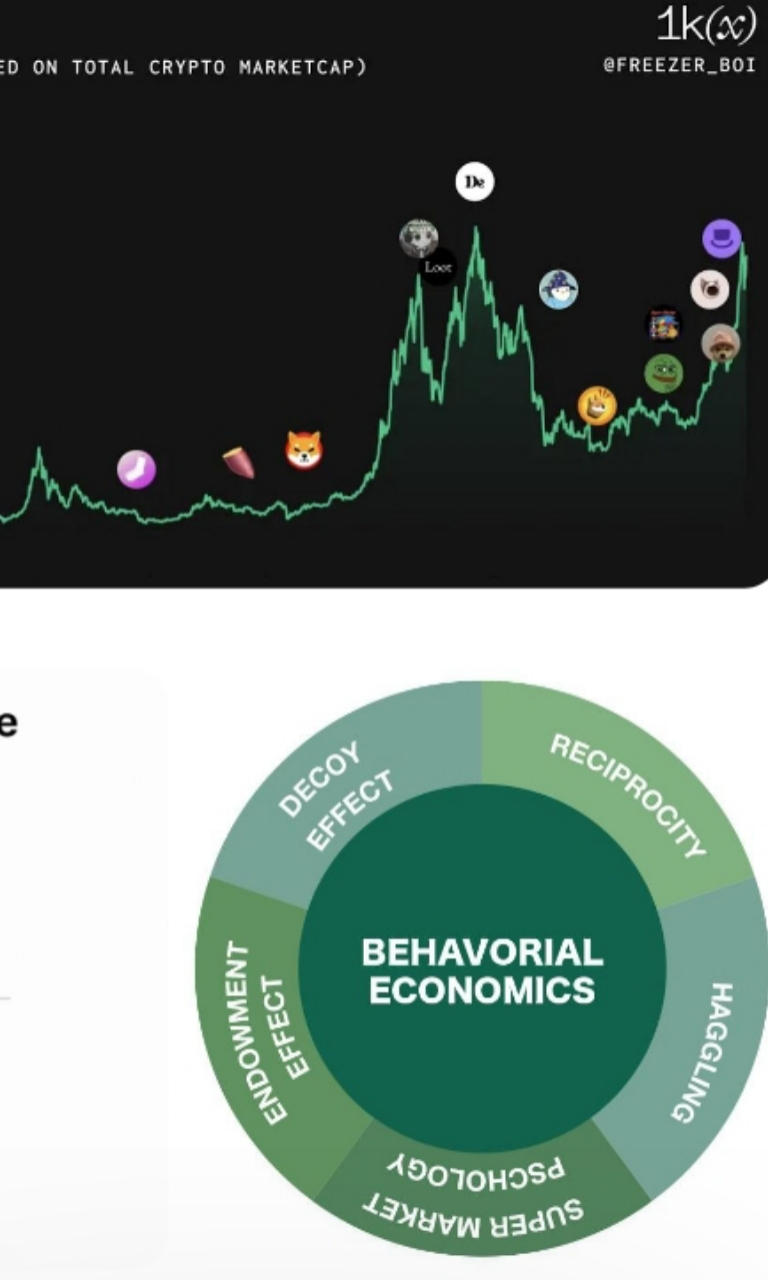
Because once people believe there’s a “better way” — even if they can’t fully define it — they start adjusting their behavior. Not because they have to, but because they want to stay aligned with whatever seems to be working. It’s the same instinct you see in markets, trends, even memecoin cycles. People don’t just chase value — they chase momentum, often before they understand it.
And Pixels feels like it taps into that instinct.
$PIXEL isn’t just part of the economy; it feels like a reflection of collective behavior. What people choose to do, repeat, and believe in starts feeding back into the system. In a strange way, it’s similar to how mem coins gain traction — not purely from utility, but from shared belief and repeated action.
The difference is, here it’s happening inside a game.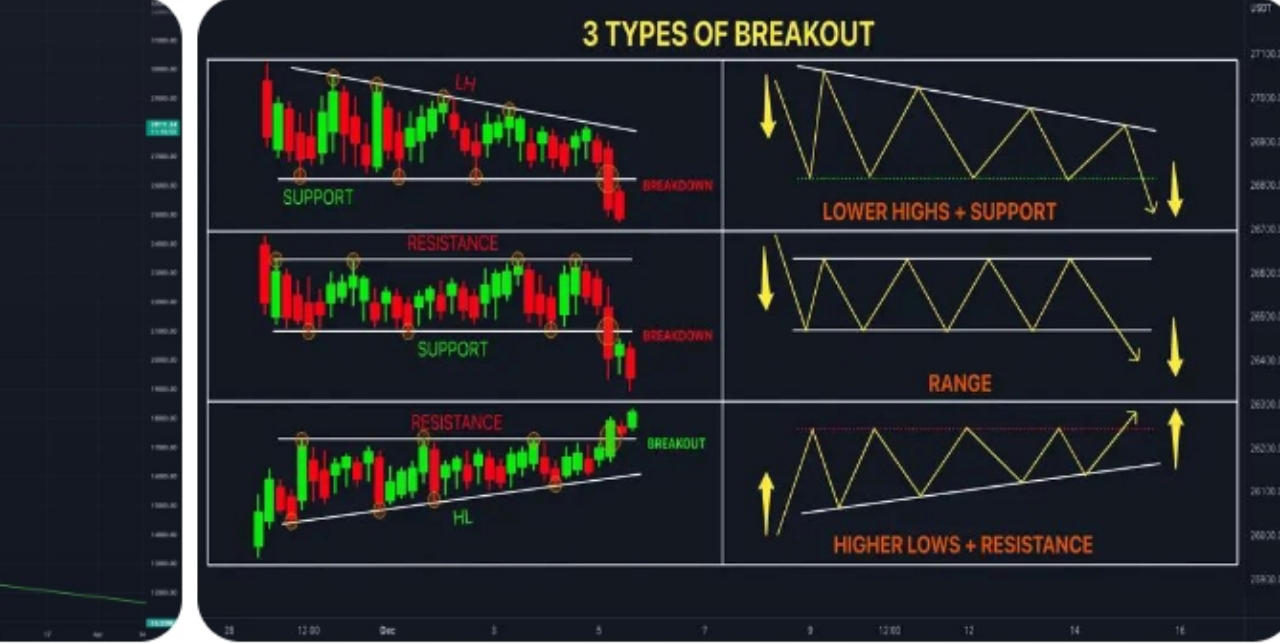
What I find fascinating is that no one is explicitly telling players what to do. Yet over time, many start moving in similar directions, as if guided by something invisible. That’s not game design alone — that’s human nature at work.
We don’t just play systems.
We adapt to them, interpret them, and sometimes even overthink them.
And maybe that’s the real layer most people overlook.
Pixels isn’t just testing mechanics or economies. It’s quietly testing how people respond when the rules aren’t fully clear — when value isn’t just given, but felt.