


One phrase from the Pixels team has been sitting with me lately: “built in production, not in a deck.”
I was reflecting on how many Web3 gaming projects I’ve seen launch with impressive tokenomics slides and grand visions, only to struggle once real players arrive. Pixels took the opposite path. They didn’t start by promising a perfect rewards system — they built and iterated inside their own game for years, processing hundreds of millions of rewards, running thousands of experiments, and learning from actual player behavior.
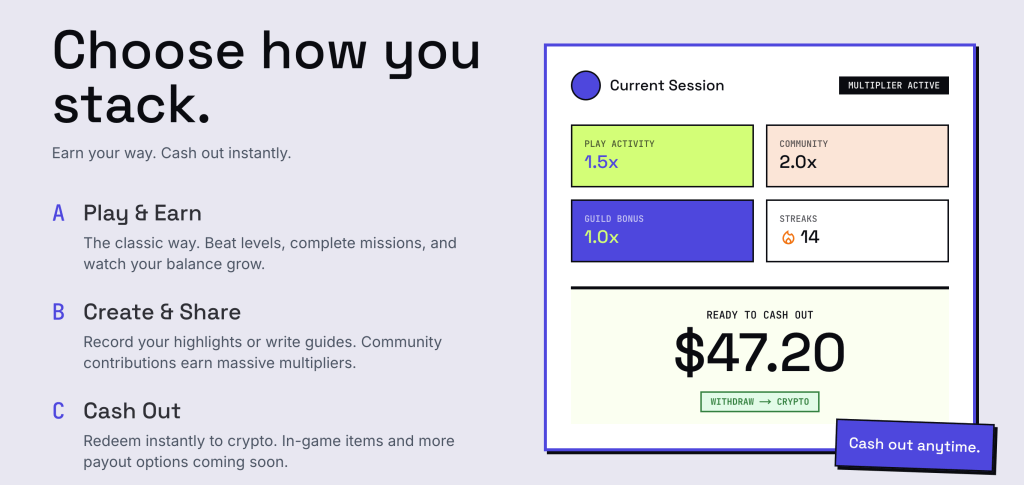
What stands out to me is the honesty in that approach. Stacked wasn’t born as a flashy new app. It grew out of real pain points the team faced while scaling Pixels: unsustainable reward loops, difficulty distinguishing genuine engagement from farming, and the challenge of delivering value at the right moment without breaking the economy. The AI game economist that now analyzes cohorts, spots churn risks, and suggests targeted experiments was refined through live data, not theoretical models.
I noticed this maturity when thinking about Tier 5 as well. The deeper systems encourage consistent, thoughtful play — exactly the kind of behavior Stacked is designed to recognize and reward sustainably. It feels less like a marketing layer and more like infrastructure that has already been battle-tested.
From my perspective, this “production-first” mindset is rare and refreshing. It shows the team isn’t just talking about sustainable play-to-earn — they’ve lived it, measured it, and improved it over time, even contributing significantly to real revenue along the way.
Of course, opening Stacked to external studios is a new chapter. Whether the same system translates smoothly beyond Pixels remains to be seen. But the foundation being built in production rather than on slides gives the whole thing a grounded feel that’s hard to ignore.
I’ll keep observing how it evolves. For now, that single phrase carries more weight for me than most whitepapers I’ve read.