
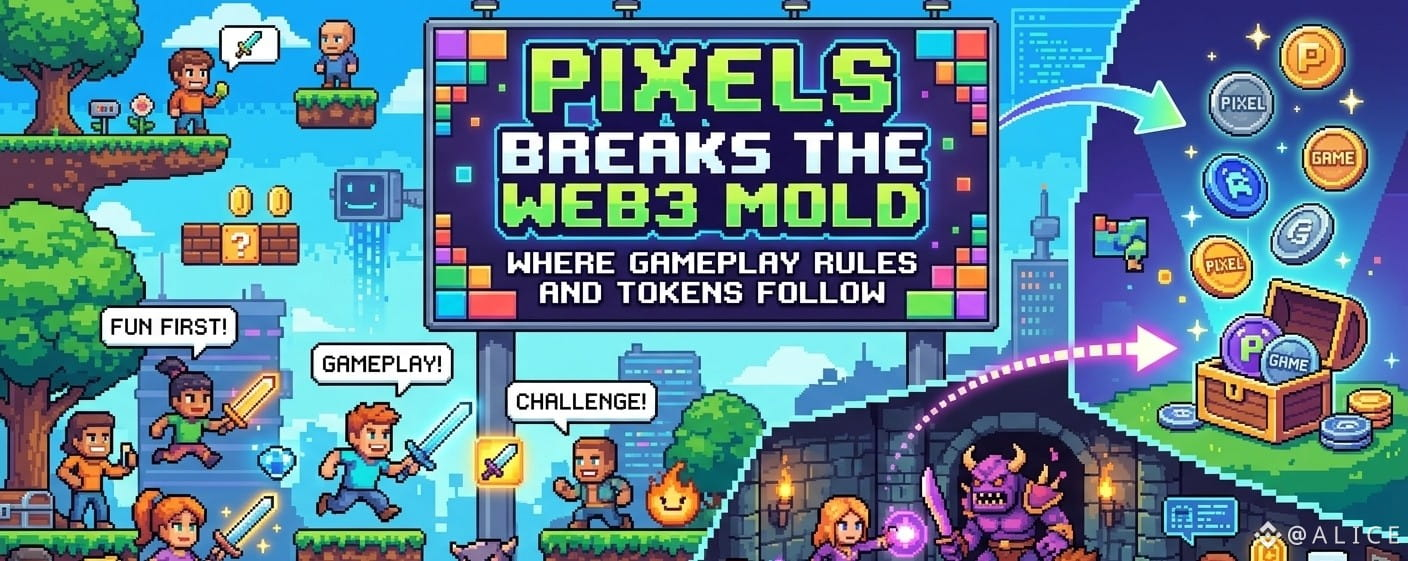
A New Era of Gaming Priorities
In the evolving world of Web3 gaming, Pixels is shifting attention back to what truly matters—fun. For a long time, blockchain games focused heavily on earning tokens rather than delivering enjoyable experiences. Pixels challenges that pattern by putting gameplay first and rewards second.@Pixels
This approach feels familiar to anyone who grew up playing traditional games. Just like classic titles where enjoyment kept players coming back, Pixels aims to recreate that same magic with a Web3 twist.
Why Fun Matters More Than Rewards
When players focus only on rewards, the experience can quickly feel like work. Imagine playing a game only because you expect payment, not because you enjoy it. Pixels recognizes this issue and shifts the mindset back to entertainment.
This does not mean rewards disappear. Instead, they become a bonus rather than the main reason to play. Players naturally engage more when they are having fun, and this engagement often leads to stronger and more sustainable ecosystems.
How Pixels Changes the Player Experience
Pixels introduces mechanics that feel simple yet rewarding without pressure. Instead of constantly thinking about token value, players explore worlds, complete quests, and interact with others in a relaxed environment. It feels closer to a social game than a financial tool.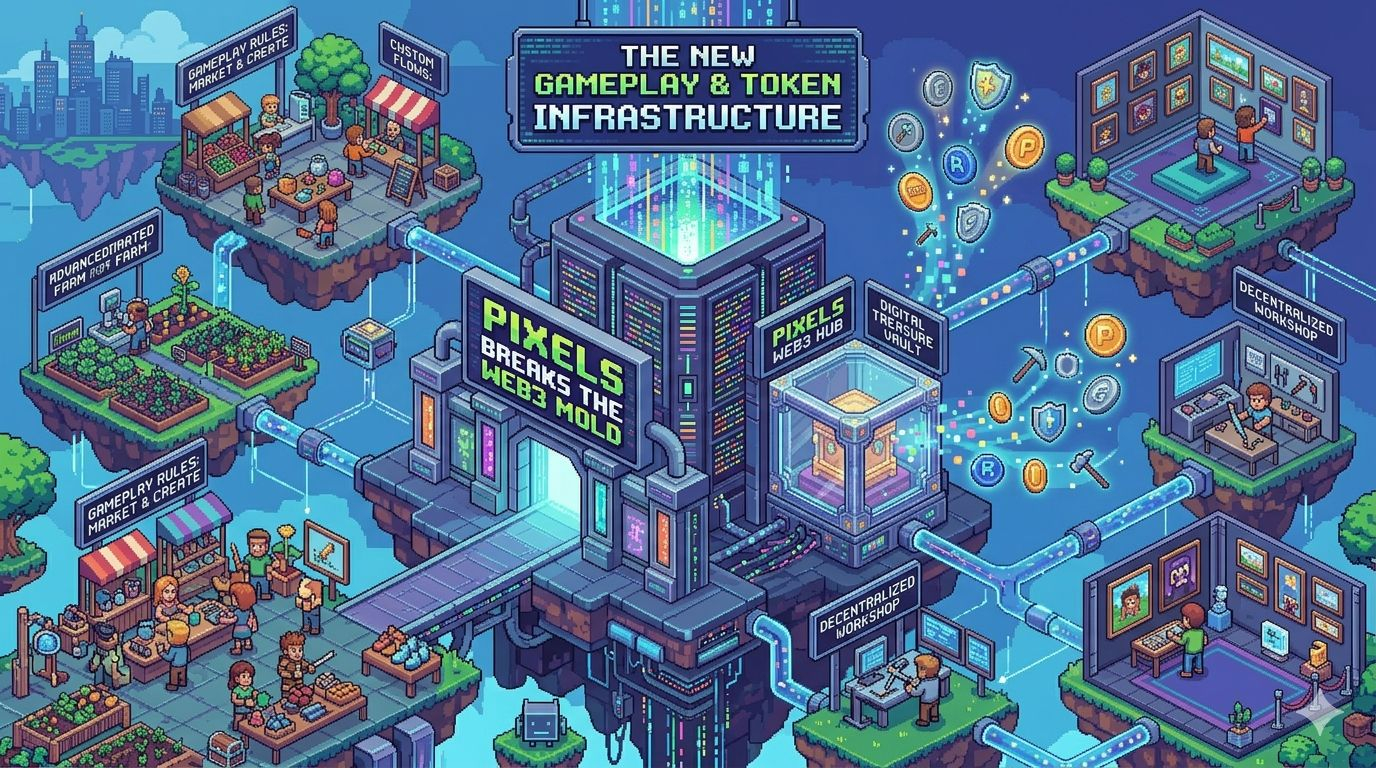
For example, think of it like visiting a theme park. You go there for fun, rides, and memories, not just for a prize at the end. Pixels follows a similar idea, making the journey enjoyable instead of focusing only on the destination.
The Role of Tokens in This New Model
Tokens still exist in Pixels, but their role is more balanced. They support the ecosystem rather than dominate it. This creates a healthier environment where players feel less pressure and more freedom to enjoy the game.
It is similar to earning points in a loyalty program. The rewards are nice to have, but they are not the only reason you participate. By keeping tokens in the background, Pixels ensures that gameplay remains the main attraction.
Why This Shift Matters for Web3 Gaming
The Web3 gaming space has faced challenges in attracting mainstream players. Many people find the focus on tokens confusing or overwhelming. Pixels offers a simpler entry point by making the experience feel natural and enjoyable.
This shift could help bridge the gap between traditional gamers and blockchain technology. When games are easy to understand and fun to play, more people are willing to explore them. Over time, this approach can support steady growth across the entire ecosystem.
A Community-First Future
Pixels also emphasizes community interaction. Players are encouraged to collaborate, share experiences, and build connections within the game. This social element adds another layer of value, making the platform more than just a place to earn
In many ways, it reflects the early days of online gaming, where friendships and shared moments were the biggest rewards. By combining this idea with blockchain technology, Pixels creates a balanced and welcoming environment for everyone.
As the industry evolves, this player-first mindset may become a defining standard for future projects. Developers can learn that long-term success often comes from building experiences people genuinely enjoy, not just systems that promise rewards.
At the same time, users are becoming more aware of what they value in digital spaces. They want transparency, fairness, and most importantly, enjoyment. Pixels aligns with these expectations by offering a balanced approach that respects both gameplay and technology.
It is important to remember that blockchain gaming is still developing. Different models will continue to emerge, and each will bring its own strengths and challenges. Pixels represents one direction that focuses on simplicity and user experience.
For newcomers, this makes the space feel less intimidating. Instead of worrying about complex systems or technical details, they can simply start playing and learning along the way. This gradual introduction can make adoption smoother and more accessible for everyone.
For experienced users, it offers a refreshing change of pace. Rather than focusing only on strategy for maximizing rewards, they can rediscover the joy of gaming itself. This balance between fun and function may shape how future platforms are designed.
Overall, Pixels highlights an important lesson: technology should enhance experiences, not replace them. By keeping gameplay at the center, it reminds the community why games became popular in the first place. Fun, creativity, and connection remain the true drivers of engagement.
As more projects explore this approach, the future of Web3 gaming could become more inclusive and enjoyable for a wider audience. This evolution may not happen overnight, but steady steps like these can build a stronger and more sustainable ecosystem.
Trust the process, embrace innovation, and watch as fun-driven Web3 gaming opens door to lasting growth and global adoption for all.