
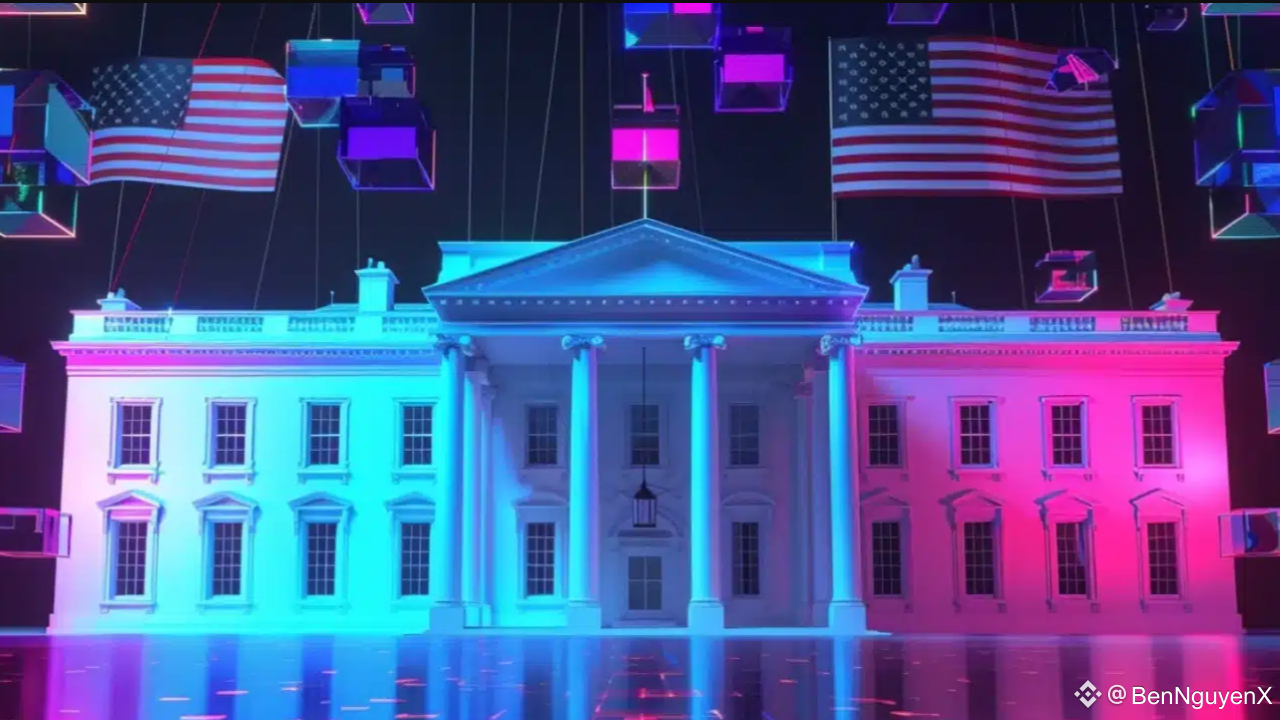
In a stunning display of political influence, the biggest names in crypto are now directly funding a major White House initiative.
Ripple, Tether, and Coinbase have been revealed as key donors for President Trump's new $300 million White House ballroom, signaling a new era of cooperation between the digital asset industry and the U.S. government.
Part 1 - The Context: More Than a Donation
This is not a simple philanthropic gesture. It is a calculated move by industry titans to solidify their standing in Washington D.C.
The Players: We are talking about the giants.
The Project: A high-profile, $300 million ballroom project personally championed by the President.
The involvement of these specific companies is a monumental statement about the industry's growing financial and political power.

Part 2 - The Deep Dive: A Strategic Alliance
For years, the crypto industry has been battling for regulatory clarity and legitimacy in the United States. This move represents a strategic shift from confrontation to collaboration.
🔹 Buying Influence: By funding a landmark presidential project, these crypto leaders are ensuring they have a voice in future regulatory discussions. It is the ultimate form of lobbying, demonstrating their commitment to working with the establishment.
🔹 Signaling Power: This public alignment sends a clear message to regulators and Wall Street: Crypto is no longer a fringe movement. It is a mature industry with the resources to influence policy at the highest possible level.
🔹 The Trump Connection: This deepens the perceived pro-crypto stance of the Trump administration, building a powerful alliance that could shape the future of digital asset regulation in America for years to come.
Conclusion: The Game Has Changed
The days of crypto being an outsider are over. This direct financial contribution to a White House venture is a watershed moment.
Ripple, Tether, and Coinbase are not just asking for a seat at the table—they are helping to build the room. This marks a new chapter in crypto's journey towards mainstream acceptance and political integration.