
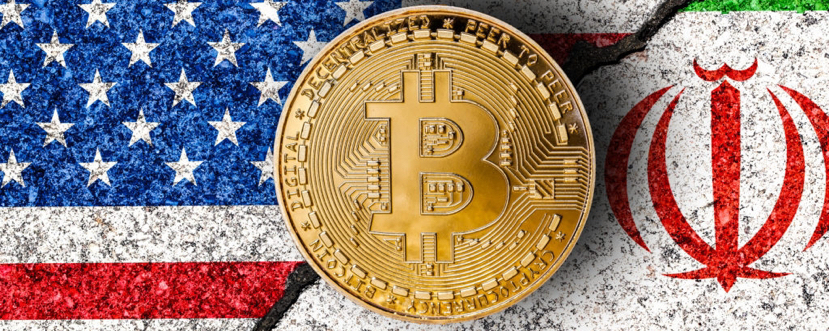


The Speaker of the Iranian Parliament, Mohammad Bagher Ghalibaf, sharply criticized Donald Trump. The politician stated that the US president made "seven statements in one hour, and all seven turned out to be lies." This speech took place shortly after the record recovery of the S&P 500 index. The indicator demonstrated the fastest growth since 1982.
Tehran's position on the maritime blockade.
The representative of Iran highlighted several specific grievances. He rejected any assumptions that the United States was gaining an advantage through public statements.
The politician wrote:
"Washington did not win the war with this lie, and they will certainly achieve nothing in negotiations."
The speaker warned of possible retaliation measures. He emphasized:
"If the blockade continues, the Strait of Hormuz will not remain open."
Transit of all vessels through this waterway will follow the route established by Tehran. This will require special permission and strict coordination with the country's armed forces.
Ghalibaf added:
"Whether the strait will be open or closed, and the rules governing it, will be determined on the spot, not on social media."
Disputes over uranium reserves.
The Iranian side denied Trump's words about agreeing to transfer enriched uranium. Ghalibaf called this statement completely false. He stated that Iranian enriched uranium "will not be transferred anywhere under any circumstances." Authorities will consider any maritime blockade as a direct violation of the ceasefire.
The representative of the Iranian parliamentary committee on national security supported this position in an interview with Al Jazeera. He confirmed a strict ban on the export of uranium from the country. The official noted a clear discrepancy between American statements on social media and reality.
Market reaction to geopolitics.
The Iranian authorities announced the Strait of Hormuz open on April 17. The decision followed a ceasefire in Lebanon. This step is the fulfillment of one of Tehran's main conditions.
Oil markets reacted with a sharp decline. The price of Brent crude oil fell by more than 9% to $90.38 per barrel. The price of American oil dropped by 11.4% to $83.85.
The opening of the strait did not restore normal shipping. The volume of maritime traffic remains minimal — before the conflict, this figure was between 130 and 140 vessels per day. Currently, more than 150 tankers are anchored near the strait. High insurance costs and conflicting signals from the US and Iran make operators wait.
Bitcoin (BTC) price dynamics
The American blockade of ports related to Iran remains in force. The discrepancy between Tehran's statements and Washington's rhetoric indicates the fragility of the negotiation process. The parties have not agreed to extend the ceasefire and dispute basic facts. The status of the strait can change at any moment.
Investors began to reassess risks. Friday's optimism turned out to be premature. This immediately reflected on the digital asset sector.
Bitcoin was trading at $77,192 at the time of writing. The asset has risen by 3.6% in the last 24 hours. However, the anticipated weekend price spike to $80,000 did not occur. Markets realized the illusion of hopes for a quick resolution of the crisis in the strait.#WhatNextForUSIranConflict $BTC
