

Most people still think Pixels is about farming loops and token rewards. Plant, wait, harvest, sell. Simple. Predictable. Replaceable.
But the more time I spend watching player behavior, the less it looks like a farming game… and the more it feels like a social layer disguised as one.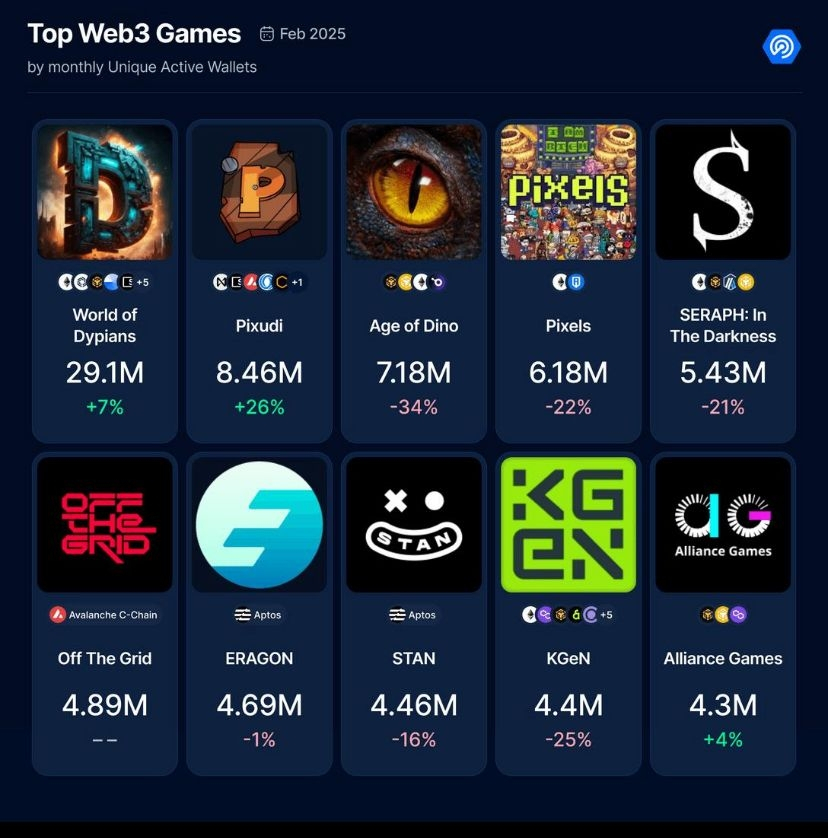
What most players believe: grind more → earn more.
What I’ve started noticing: players who interact more → position better.
In Pixels, value isn’t just created by what you produce… it’s shaped by who you’re around. Markets aren’t static. Demand shifts based on player clusters, trends, and even small community behaviors. A resource that’s “worthless” in one area suddenly becomes scarce in another—just because players moved.
You can see it in real usage. Active zones feel alive—not just with farming, but with trading, coordination, even silent competition. Players watching each other. Copying. Adapting. That’s not gameplay… that’s an economy forming.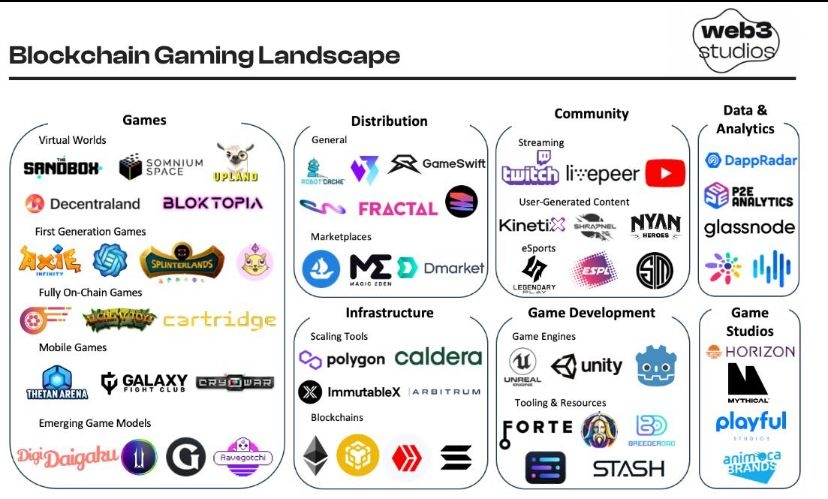
And then there’s the dev signal. Updates aren’t just about crops or tools anymore—they’re slowly leaning into multiplayer layers, events, and shared spaces. That’s not accidental. It’s where retention comes from.
The deeper layer most miss: social systems compound. Farming doesn’t.
A farmer repeats cycles. A socially positioned player taps into flows—information, timing, opportunity.
But there’s a risk here. Social-driven economies can flip fast. Trends die. Crowds shift. If you’re late, you’re not early—you’re exit liquidity in a different form.
Pixels isn’t just testing play-to-earn anymore… it’s testing player-to-player value creation.
And the uncomfortable truth?
By the time people realize Pixels is a social economy first and a farming game second… positioning won’t be as easy.@Pixels #pixel $PIXEL
