
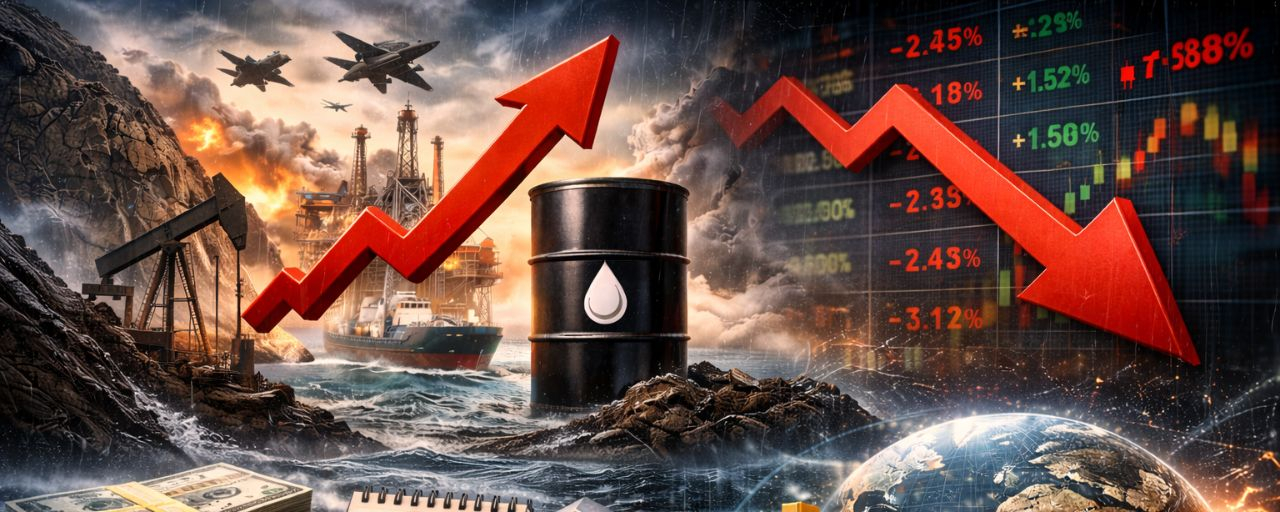
Structured list of the most significant events in the last 24 hours.
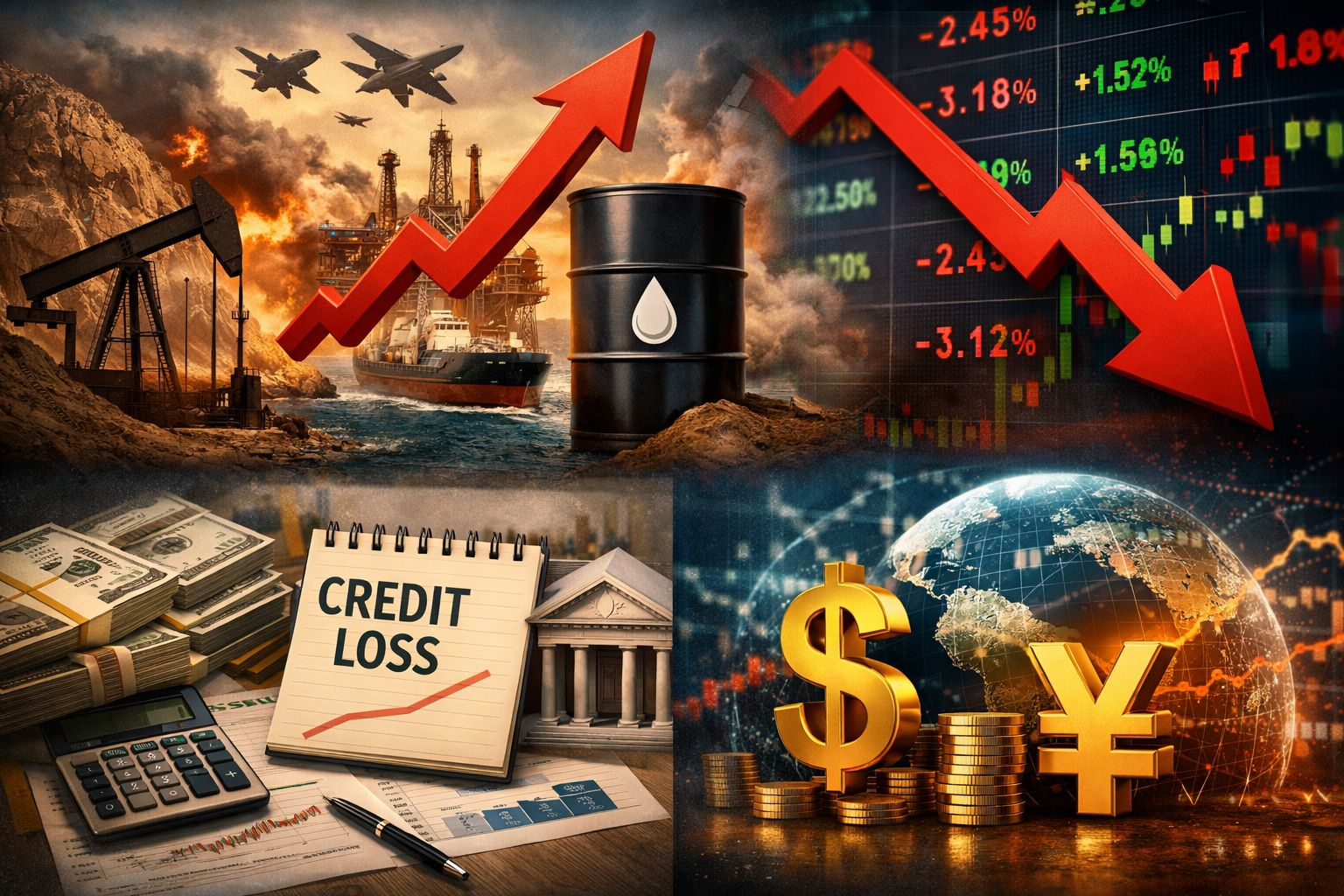
Energy and Oil: New Price Surge
Global markets are once again under pressure due to the situation around the Strait of Hormuz. Oil prices have surged sharply by 5-7% and approached $100 per barrel, reacting to the risks of supply disruptions. The reason is the instability of the ceasefire between the USA and Iran and the actual restriction of shipping through the strait, through which about 20% of the world's oil exports pass.
Stock markets: pressure from geopolitics
European stock indices have dropped amid escalating tensions. Investors are shifting into more defensive assets. Overall, global markets are showing a nervous reaction to any news from the Middle East.
Banks and the financial sector: rising risks
Financial institutions are starting to prepare for a worsening economic situation.
National Australia Bank made a statement noting a doubling of credit payments and logistical issues.
Global deals and investments: paradoxical recovery
Despite the instability, the M&A (mergers and acquisitions) market has begun to recover. The average deal volume has increased to $117 billion per week.
Macroeconomics: risks for global growth
International Monetary Fund warns:
Global growth is slowing (~3.1%)
The risk of stagflation is rising
A possible scenario of global recession upon escalation
The key issue is the energy shock hitting the entire economy.
Geofinance: tensions surrounding the dollar
The United Arab Emirates is negotiating with the USA for financial support. They're even discussing the possibility of switching to yuan for oil settlements. This poses a potential challenge to the dollar's dominance.
Conclusion
The last 24 hours have clearly shown that global financial markets remain critically dependent on the geopolitical situation, primarily events surrounding the Strait of Hormuz. The energy factor is currently the key driver: rising oil prices are intensifying inflationary pressure and creating additional risks for economic growth. Stock markets are reacting with caution and heightened volatility, while banks are already beginning to factor in worsening conditions and potential increases in credit losses. Meanwhile, large investors continue to be active through significant deals, indicating long-term confidence despite short-term risks. Overall, the financial system is entering a phase of increased uncertainty, where further market dynamics will directly depend on the geopolitical situation's development and the stability of energy supplies.