
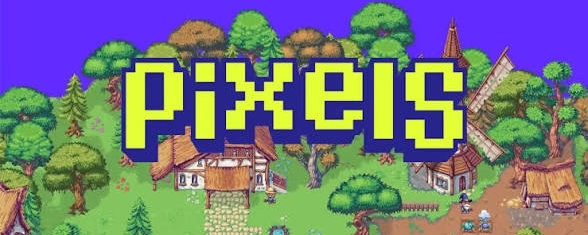
The world of blockchain gaming is evolving fast, but few projects manage to combine simplicity, fun, and real economic depth the way Pixels does. This article breaks down what makes Pixels unique, how its leaderboard campaign works, and why its ecosystem—powered by the Ronin Network—is gaining serious traction. If you want to understand how casual gameplay meets real digital ownership, this is where it gets interesting.
Introduction
At first glance, Pixels looks like a simple farming game. You plant crops, gather resources, and explore a colorful open world. But beneath that relaxed surface lies a carefully designed Web3 economy where time, strategy, and community participation translate into real value. This article explores how Pixels blends gameplay with blockchain mechanics, focusing on its leaderboard campaigns, token utility, and evolving ecosystem.
What is Pixels?
Pixels is a social casual Web3 game that combines farming, exploration, and crafting into one seamless experience. Unlike traditional games where progress stays locked inside the system, Pixels allows players to own assets, earn tokens, and participate in a living economy.
Built on the Ronin Network, the game benefits from fast transactions and low fees, making it accessible even for beginners in blockchain gaming. This is critical because high fees and complexity often limit Web3 adoption.
The core gameplay loop is simple:
Grow crops
Gather resources
Complete quests
Trade or craft items
But the real depth comes from how these actions connect to the broader economy.
The Leaderboard Campaign: More Than Just Competition
One of the most engaging features of Pixels is its leaderboard campaign system. Instead of rewarding only top-tier players, the system encourages consistent participation.
Players earn points through:
Farming efficiency
Completing daily tasks
Participating in events
Resource management
These points determine ranking, and rankings unlock rewards—often in the form of the PIXEL token or rare in-game assets.
This structure does two important things:
1. It gamifies consistency, not just skill
2. It keeps the economy active by rewarding engagement
Unlike many Web3 games where rewards are front-loaded, Pixels creates a more balanced system where effort over time matters.
Token Utility: The Role of PIXEL
The PIXEL token is the backbone of the game’s economy. It is not just a reward—it has clear utility.
Key uses include:
Purchasing land and items
Upgrading tools and assets
Accessing premium features
Participating in governance (in future phases)
This creates a circular economy: Players earn PIXEL → spend it in-game → demand increases → ecosystem grows.
A strong token utility model is critical in Web3 gaming. Without real use cases, tokens lose value quickly. Pixels avoids this by integrating PIXEL deeply into gameplay mechanics.
Core Features That Define Pixels
1. Open-World Exploration
Players are not limited to a small farm. The game world is expansive, encouraging exploration and interaction. This creates a sense of discovery rarely seen in casual blockchain games.
2. Player-Driven Economy
Markets are influenced by player activity. Resource scarcity, demand, and crafting all impact pricing. This mirrors real-world economic behavior.
3. Social Gameplay
Pixels is not a solo experience. Players collaborate, trade, and compete. Social interaction increases retention and builds community value.
4. Land Ownership
Land NFTs allow players to control production and generate passive income opportunities. This adds a strategic layer beyond simple gameplay.
Recent Updates and Growth Signals
Pixels has seen rapid growth recently, especially after its migration and deeper integration with the Ronin ecosystem. Some notable developments include:
Increased daily active users, showing strong adoption
Expanded reward pools in leaderboard campaigns
Improved in-game economy balancing (reducing inflation)
New quests and seasonal events
These updates are not just cosmetic—they directly impact the sustainability of the ecosystem.
For example, adjusting reward distribution helps prevent token oversupply, a common issue in Web3 games. This indicates that the developers are actively managing the economy rather than letting it inflate uncontrollably.
Economic Design: Why It Works
Most Web3 games fail because they rely too heavily on rewards without balancing “sinks” (ways to spend tokens). Pixels takes a more structured approach.
Faucets (Earning Mechanisms)
Farming rewards
Leaderboard incentives
Quest completion
Sinks (Spending Mechanisms)
Crafting upgrades
Land development
Marketplace transactions
This balance is essential. If players only earn and never spend, the token loses value. Pixels encourages continuous reinvestment into the game.
Accessibility and User Experience
One of the strongest advantages of Pixels is its simplicity. Many blockchain games are too technical for average users. Pixels removes that barrier by:
Offering intuitive gameplay
Minimizing blockchain complexity
Using a familiar farming game model
This makes it appealing to both Web2 and Web3 audiences.
SEO Insight: Why Pixels is Trending
Search trends show increasing interest in:
“Web3 farming games”
“Play-to-earn games 2026”
“Ronin Network games”
Pixels sits at the intersection of all three. Its casual design combined with real earning potential makes it highly discoverable and shareable.
Challenges to Watch
No project is perfect. Pixels still faces challenges:
Maintaining long-term player retention
Preventing token inflation
Balancing casual fun with economic depth
If these issues are not managed properly, growth could slow. However, recent updates suggest the team is aware and actively working on solutions.
Conclusion
Pixels is more than just another blockchain game—it represents a shift toward sustainable, player-driven economies in Web3 gaming. By combining simple gameplay with meaningful token utility and a well-designed reward system, it creates an experience that is both fun and financially engaging.
The leaderboard campaigns keep players active, the PIXEL token gives real value to in-game actions, and the Ronin Network ensures smooth performance. Together, these elements form a strong foundation for long-term success.
If you are exploring Web3 games that go beyond hype and offer real structure, Pixels is worth paying attention to. The future of gaming is not just about playing—it’s about participating in living economies.