

Most people still think play-to-earn is dead. That it peaked with hype cycles and collapsed under its own tokenomics. I don’t think it died… it just got forced to grow up.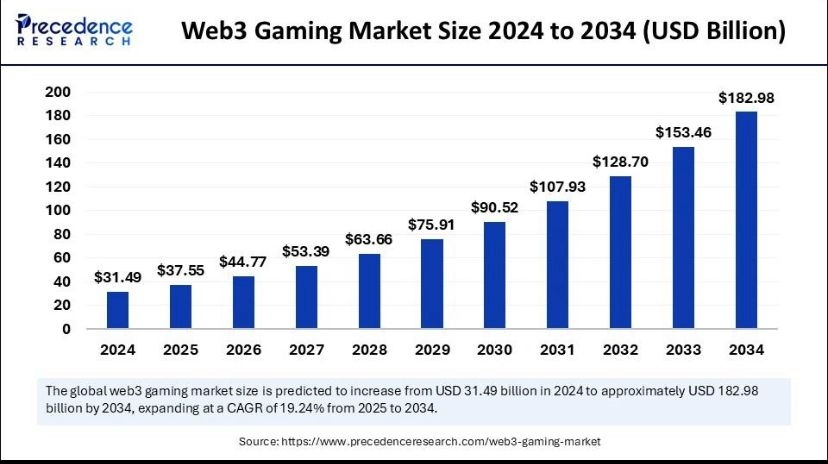
The common belief is simple: players came for money, extracted value, and left. Unsustainable. And that’s true—for the first wave. But what I’ve started noticing is a quieter shift. Newer games aren’t optimizing for extraction… they’re optimizing for retention. Less “earn fast,” more “stay longer.”
That’s where Pixels sits differently. On the surface, it still looks like a simple farming game. But behavior tells another story. Players aren’t just grinding—they’re adapting. Watching market demand, shifting between farming, crafting, and exploration. The economy isn’t fixed… it’s reactive.
And that matters more than price.
On the dev side, it’s not loud innovation—it’s consistent iteration. Small updates, ecosystem adjustments, balancing loops. Nothing flashy, but it signals something most people ignore: they’re building for stability, not spikes. In a space addicted to hype, that positioning feels almost… invisible.
Which is why it’s interesting.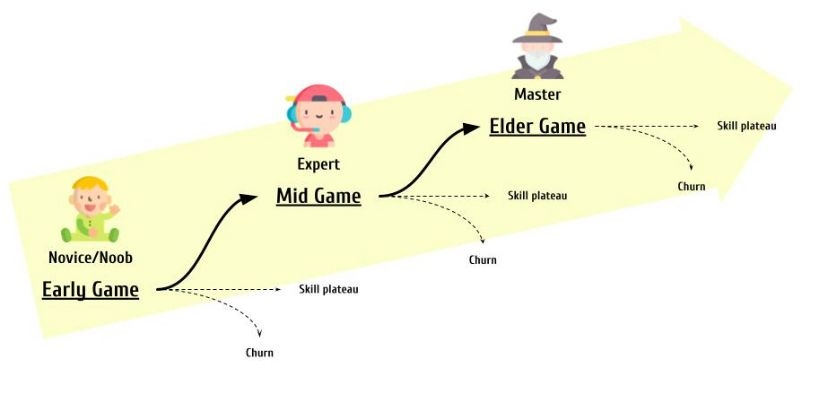
But there’s a deeper layer people are missing. Even sustainable systems face saturation. As more players understand the loops, inefficiencies disappear. Margins shrink. What feels like an “edge” today becomes baseline tomorrow.
And if token incentives ever outweigh gameplay again… the same cycle repeats.
The future of play-to-earn probably isn’t about earning more. It’s about designing systems where earning is a byproduct of staying. Pixels seems closer to that model than most—but it’s still early, and still fragile.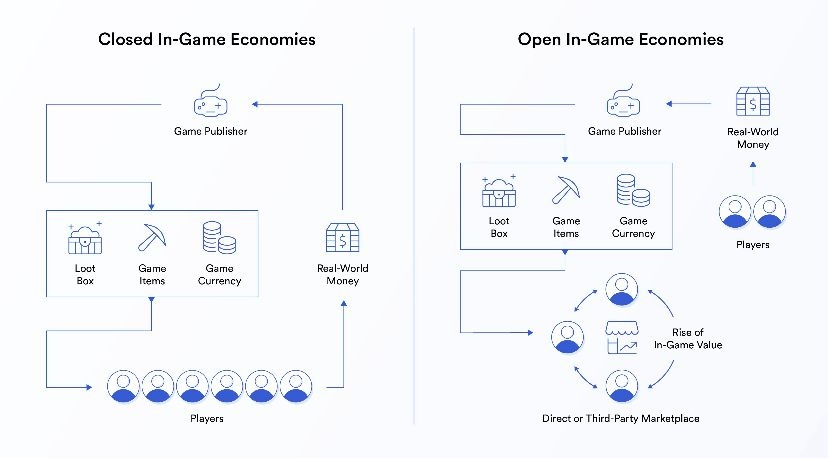
By the time people realize play-to-earn didn’t disappear… it just changed form, the easy opportunities might already be gone.@Pixels #pixel $PIXEL
