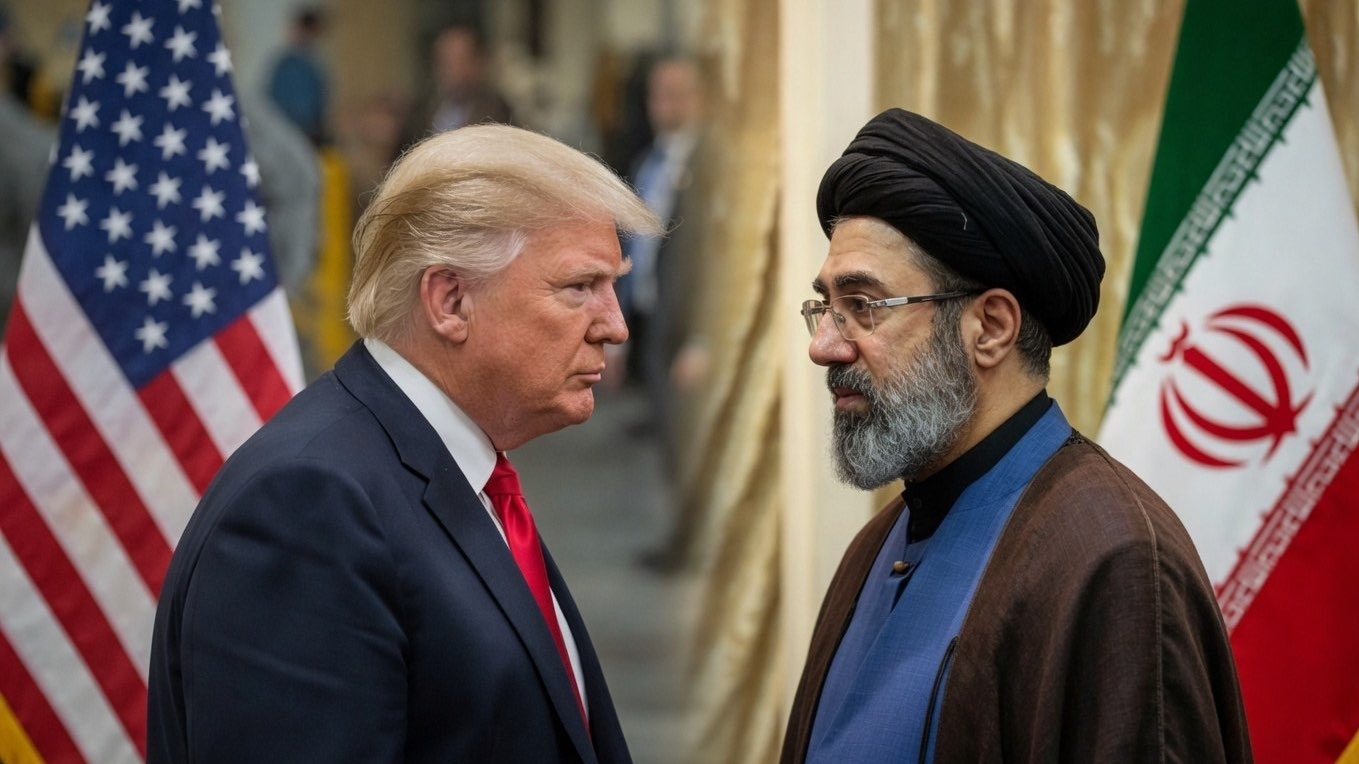
Strait of Hormuz, where more than two dozen Iranian-linked oil and gas vessels successfully navigated through the passage. The narrator characterizes this event as a significant failure or "surrender" for the United States Navy .
Key points include:
U.S. Navy Response:. despite an earlier incident where a ship was seized, the U.S. Navy was unable or unwilling to stop this fleet, suggesting they may have chosen to stand down to avoid a potential conflict
Strategic Standoff: The narrator argues that Iran was prepared to retaliate militarily if their ships were blocked. The ease with which the vessels passed is framed as a tactical win for Iran and a humiliation for the United States on the global stage .
Diplomatic and Political Context: touches upon broader tensions, noting that Iran has rejected negotiations with the U.S. at this time .
It also discusses domestic political pressure on Donald Trump regarding his administration's handling of these maritime challenges and foreign policy .
Shift in Command Dynamics: The narrator suggests that a change in leadership influence within Iran, moving toward a more assertive generation, has impacted how they approach these confrontations, leading to a more aggressive posture against the United States .Courtesy: Haqeeqat Tv