
Yesterday I was sitting in a quiet corner of a tea shop in Faisalabad, watching an old man carefully count crumpled notes from his day's earnings at the market. He folded each one with deliberate respect, as if the simple act of handling money carried its own quiet dignity. No algorithms, no volatility—just the steady rhythm of earned value passing through human hands. That moment lingered with me as I later opened the Binance Square app on my phone.
Scrolling through the CreatorPad campaign tasks, I landed on the one titled “Stability Mechanisms Preventing Economic Collapse in Pixels.” The interface showed a clean list of actions: follow the project account, craft a post with the required hashtag, and complete a small trade mission in PIXEL. I clicked into the Pixels Marketplace tab as instructed, watching the listings scroll by—virtual land plots, resources, and item trades flickering across the screen. In that ordinary moment of following the task, something felt off. The very tools meant to keep the economy from collapsing were built on the assumption that constant intervention could mimic real scarcity and value. It disturbed me how naturally we accept that.
The uncomfortable truth is that true economic stability in crypto projects rarely comes from clever mechanisms or layered rules. It emerges only when participants stop treating the system as a puzzle to optimize and start experiencing it as something worth preserving for its own sake. Most crypto believers cling to the idea that smart contracts, token sinks, AI economists, or dual-layer models can engineer away the inevitable unwind. But these fixes often accelerate the very problem they claim to solve: once the incentives are mapped and the optimal path is clear, the game becomes “solved,” players coordinate on extraction, and the illusion of fairness dissolves into predictable dumping. Stability that depends on perpetual designer tweaks is fragility dressed up as sophistication.
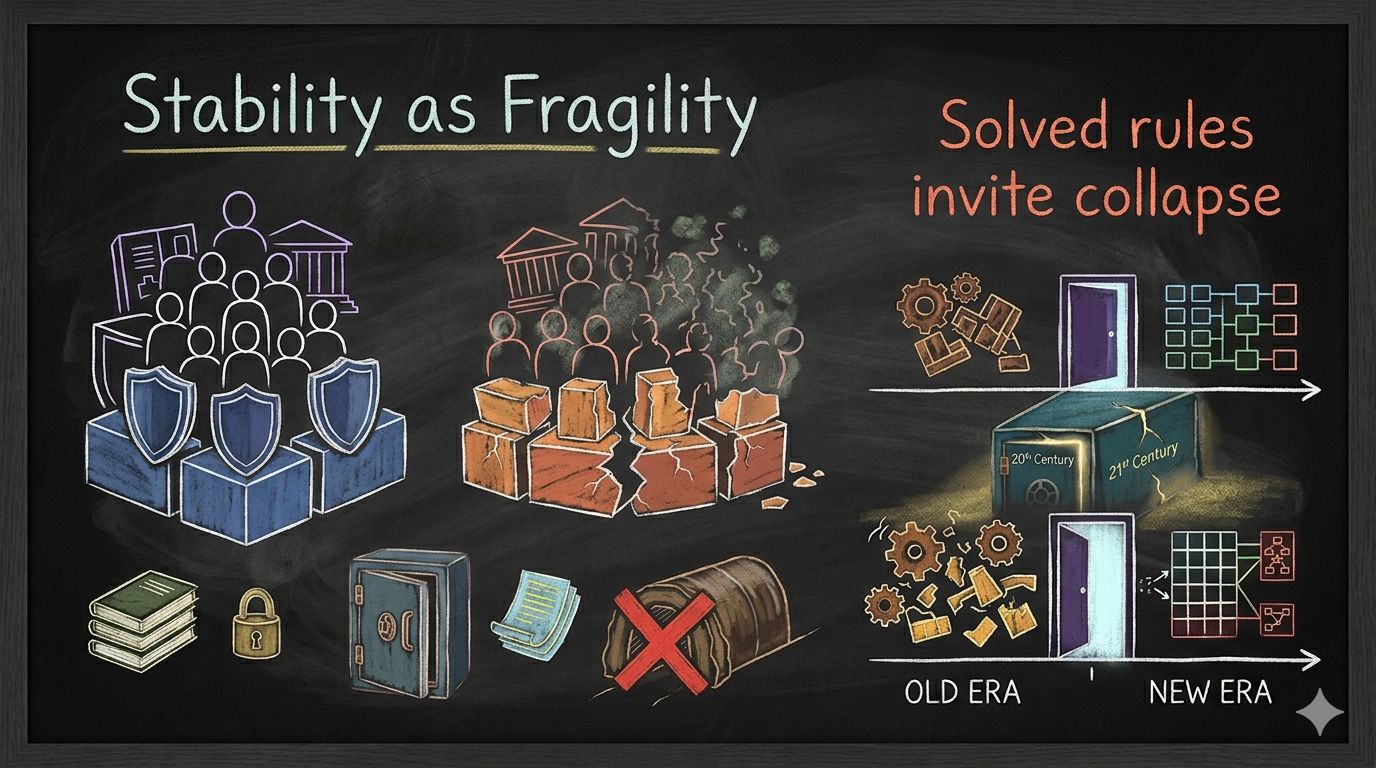
This isn't unique to one project, yet Pixels offers a clear window into the pattern. Its attempts at resisting the “solved economy” through ongoing adjustments highlight how even thoughtful designs still operate within the same loop—create rules that feel fair, watch players master them, then patch the loopholes before confidence erodes. The marketplace I navigated during the task wasn't chaotic; it was orderly in a way that revealed the underlying tension. Listings reflected calculated supply and demand shaped by behind-the-scenes balancing, not raw, unpredictable human desire. That order felt comforting at first, then quietly unsettling, because it suggested the health of the ecosystem still hinges on invisible hands preventing collapse rather than genuine, self-sustaining participation.
Expanding the thought, many crypto economies suffer from the same mismatch. We celebrate mechanisms that delay inflation or redistribute rewards as breakthroughs, but they rarely address the deeper issue: when value feels manufactured rather than discovered through use, loyalty remains transactional. Players (or users) enter for the upside, optimize their slice, and exit when the math shifts. Real resilience would require an economy that feels less like a engineered garden and more like the messy, adaptive street market I saw in real life—where value fluctuates with seasons, reputations, and actual needs, not pre-coded parameters. Pixels, by trying to thread this needle with its farming simulation and resource layers, becomes an interesting case study in the limits of that ambition. It shows the effort, but also the persistent gap between controlled simulation and lived economic reality.
What lingers is a simple but unresolved question: can any on-chain economy ever achieve lasting stability without eventually revealing that its strongest mechanism was never the code, but the quiet, unmeasurable decision of enough people to keep showing up even when the numbers stop rewarding them? @Pixels $PIXEL #pixel