

 @Ripple There’s a quiet shift happening beneath the surface of crypto one that has nothing to do with price, hype cycles, or short-term narratives. It’s about security at the protocol level, and Ripple is positioning XRP Ledger ahead of a future many still underestimate: the post-quantum world.
Ripple’s multi-phase plan to make the XRP Ledger quantum-resistant by 2028 isn’t just a technical upgrade. It’s a long-term bet on where computing is heading and what that means for digital assets.
Why Quantum Matters More Than People Think
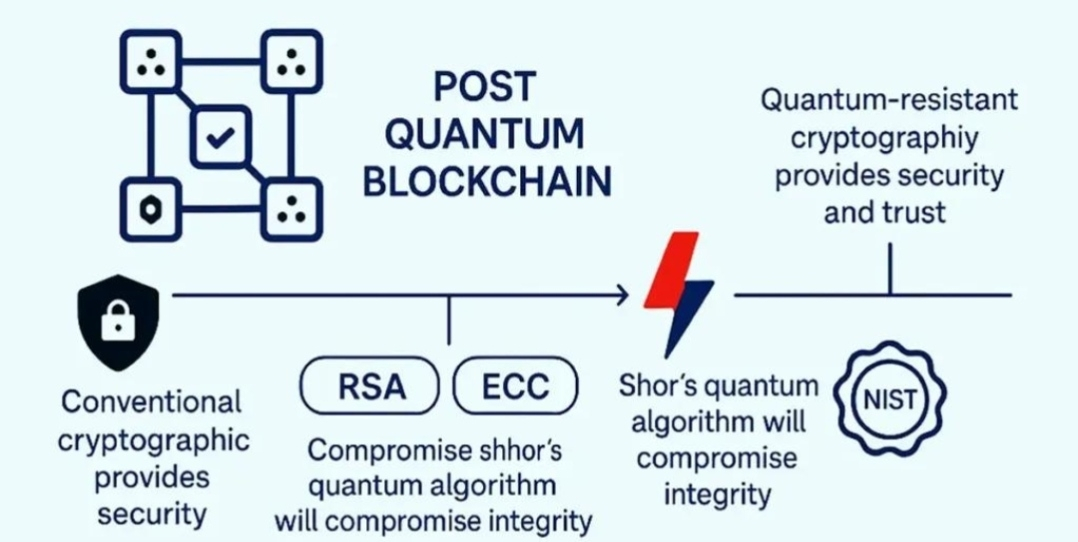
Right now, most blockchains including Bitcoin and Ethereum rely on cryptographic systems that are considered secure against classical computers. But quantum computing changes that equation.
A sufficiently advanced quantum computer could, in theory, break widely used cryptographic schemes like elliptic curve signatures. That means wallets, private keys, and transaction security could eventually become vulnerable.
This isn’t an immediate threat. But it’s a known future risk and the timelines are shrinking faster than expected.
Ripple isn’t waiting for that moment to arrive.
A Multi-Phase Strategy, Not a Quick Fix
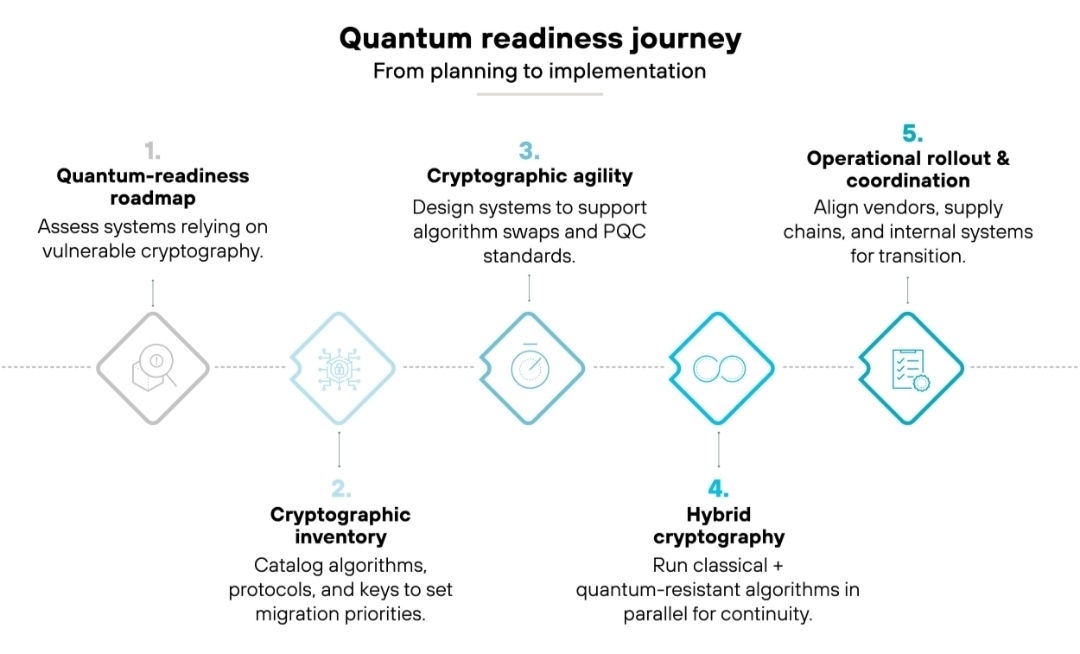
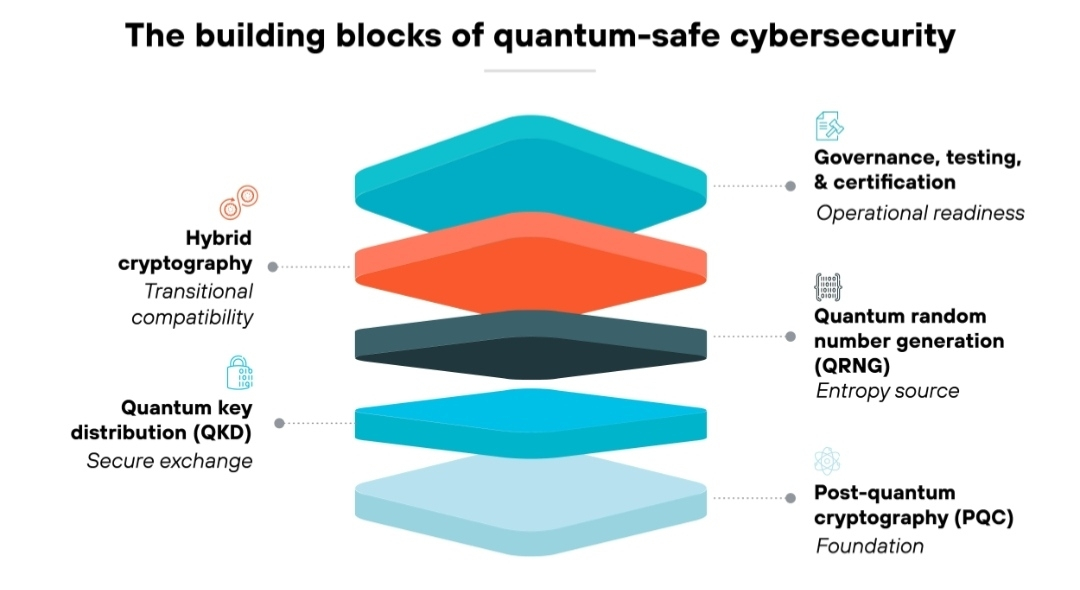
What stands out about Ripple’s approach is that it’s not treating quantum resistance as a one-time patch. Instead, it’s building a multi-phase roadmap that gradually evolves the XRP Ledger without disrupting its existing ecosystem.
This includes:
Research and testing of quantum-resistant cryptographic algorithms
Gradual integration into the XRP Ledger’s infrastructure
Ensuring backward compatibility so current users aren’t left behind
Rather than forcing a sudden shift, Ripple is designing a transition that mirrors how serious infrastructure evolves carefully, incrementally, and with minimal friction.
The Concept of “Quantum-Day”
One of the more interesting elements of this plan is the idea of a “Quantum-Day” contingency.
Think of it as a predefined response strategy for the moment quantum capability reaches a critical threshold. Instead of reacting in panic, the network would already have:
Prepared migration paths
Upgraded cryptographic standards
Clear execution protocols
In other words, it’s not just about technology it’s about readiness.
Markets tend to ignore risks until they become urgent. Ripple is designing for the opposite: acting before urgency exists.
Project Eleven and Early Testing
Ripple isn’t building this in isolation. Through early experimentation with Project Eleven, the focus is on testing quantum-resistant systems in controlled environments before scaling them into the live network.
This matters more than it sounds.
Many projects talk about future-proofing. Very few actually test it. By validating assumptions early, Ripple reduces the risk of failure when it matters most during real-world deployment.
It’s a reminder that infrastructure isn’t proven in theory.
It’s proven in execution.
What This Means for XRP
From a market perspective, this doesn’t immediately move price and it’s not supposed to.
What it does is position XRP as a network thinking beyond cycles. While much of crypto is still focused on scalability, fees, and adoption, Ripple is addressing a deeper layer: long-term survivability.
If quantum threats eventually become real, networks that prepared early will have a structural advantage. Not because they reacted faster, but because they planned earlier.
That’s the difference between adaptation and anticipation.
A Broader Signal for Crypto
Ripple’s move also sends a signal to the broader industry.
Quantum resistance isn’t a niche concern anymore. It’s becoming part of the next phase of blockchain evolution, alongside scalability and interoperability.
At some point, every major network will have to address this. The only question is when and whether they’ll be early or late.
Right now, Ripple is clearly choosing the former.
Final Thoughts
In crypto, attention usually follows price. But the real foundations of the market are built far away from charts in protocol design, security models, and long-term planning.
Ripple’s quantum-resistant roadmap is a reminder that the future of blockchain isn’t just about adoption. It’s about resilience.
Because in the end, the networks that last won’t be the fastest or the loudest.
They’ll be the ones that were ready before they had to be.