In the rapidly evolving world of Web3 gaming, tokenomics is more than just a distribution model it is the economic backbone that determines whether a project can survive long term or fade into short-lived hype. The pixel token stands out as a carefully structured asset designed to support a sustainable in-game economy while aligning players, developers, and ecosystem contributors under a unified incentive system.
According to the official project documentation and Binance research profile, pixel maintains a fixed maximum supply of 5,000,000,000 tokens, making it a capped-supply asset where scarcity is permanently embedded into its design.
But what truly defines pixel a lot just its supply cap it is how that supply is distributed, released, and utilized across a 60 month ecosystem driven lifecycle.
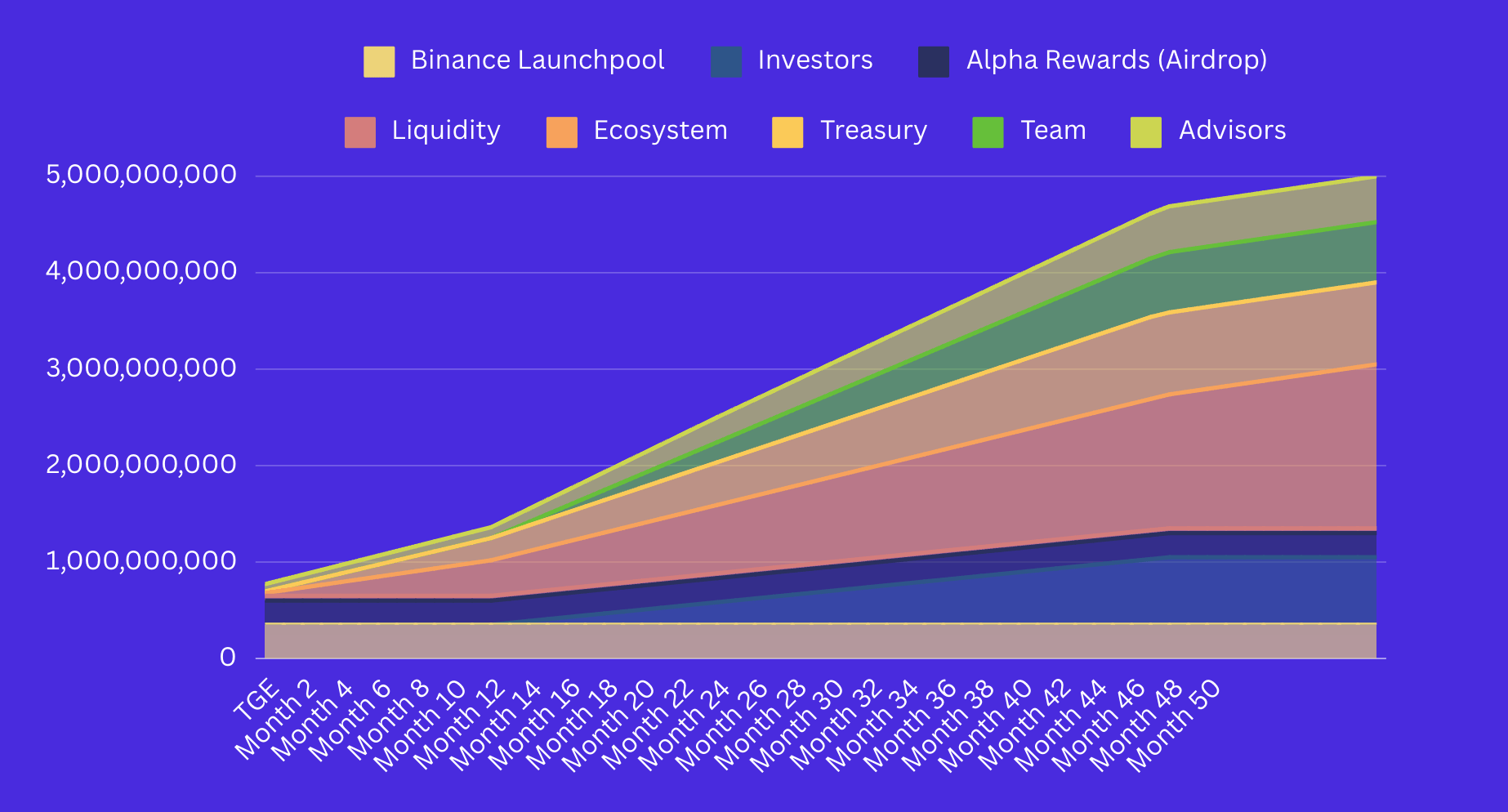
A Carefully Engineered 60-Month Vesting Structure
Unlike inflationary gaming tokens that risk rapid dilution, pixel a predetermined 60 month unlock schedule starting from its Token Generation Event (TGE).
This extended vesting period is not accidental. It is designed to:
Prevent sudden supply shocks
Encourage long term participation
Align incentives across players, developers, and investors
Support gradual ecosystem maturity rather than speculative spikes
All allocations are managed transparently through on chain vesting infrastructure (Magna), ensuring that token releases follow a predictable and verifiable schedule.
This structure is particularly important in gaming ecosystems where early hype often leads to token inflation and player distrust. $PIXEL’s model instead prioritizes consistency and sustainability.
Total Supply: Fixed Scarcity at 5 Billion Tokens
The cornerstone of $PIXEL’s monetary design is its hard-capped supply of 5 billion tokens.
This fixed cap means:
No hidden inflation beyond the defined supply
Predictable long-term token economics
Clear valuation modeling for ecosystem participants
In a market where many gaming tokens expand supply aggressively, this fixed structure positions of pixels “digital scarcity assets” rather than unlimited reward tokens.
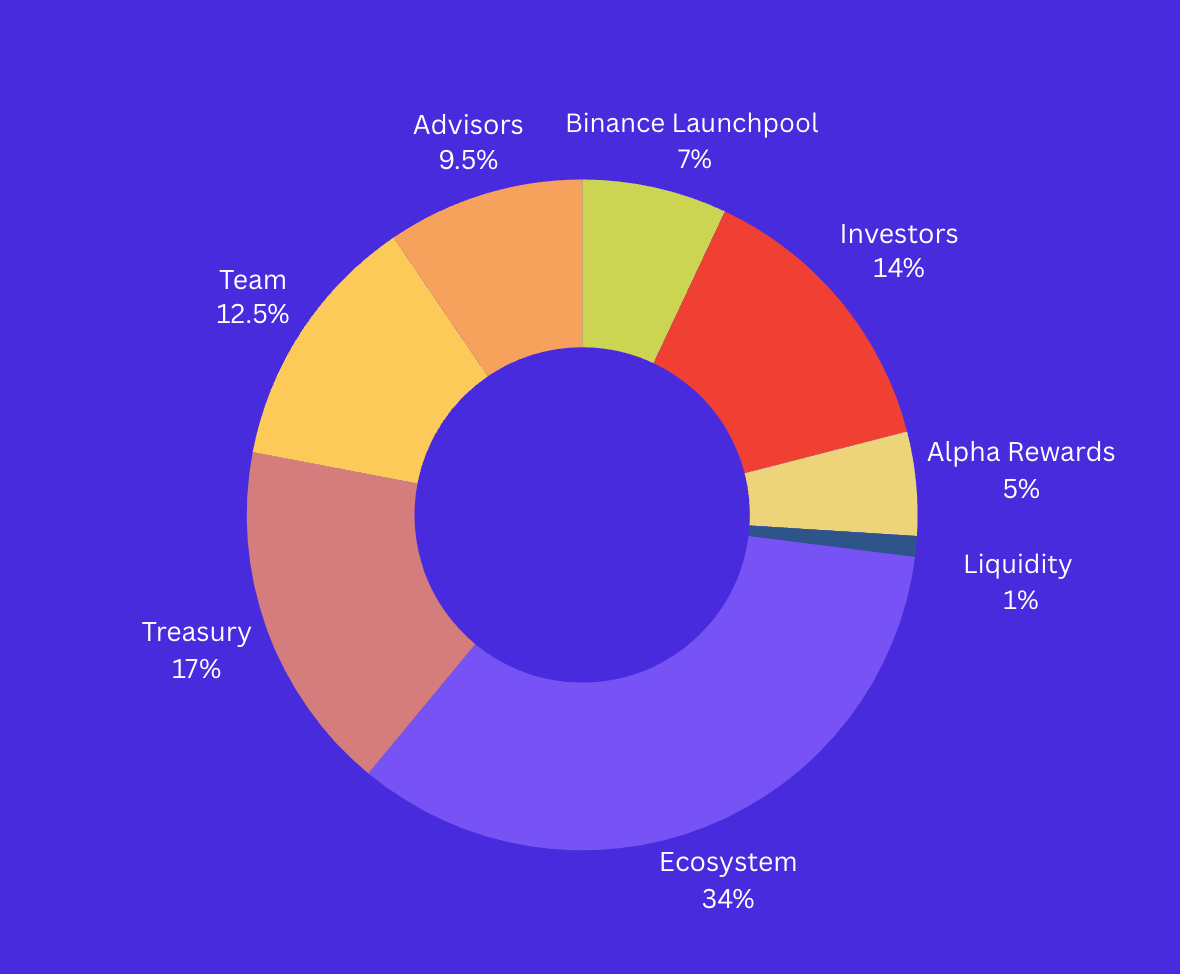
Ecosystem Rewards: The Heart of Pixel is the most important feature of $PIXEL’s tokenomics is its allocation strategy. A significant portion of the total supply is dedicated to Ecosystem Rewards, making it the largest distribution pool.
The allocation breakdown shows a clear ecosystem-first philosophy:
Ecosystem Rewards: 34%
Treasury: 17%
Private Sale: 14%
Team: 12.5%
Advisors: 9.5%
Binance Launchpool: 7%
Alpha Rewards: 5%
Liquidity: 1% (Tokenomics.com)
This structure reveals a key insight:
The majority of pixel loved for insiders it is designed to circulate within the ecosystem.
Ecosystem rewards are used to incentivize gameplay, engagement, content creation, and participation in decentralized publishing mechanics. This transforms pixel into token into an active economic engine.
A Player Driven Publishing Economy
What makes pixel testing is its integration into a decentralized publishing model, where games function like validators in a traditional blockchain system.
Instead of purely securing transactions, games become the decision making layer that determines:
Which games receive incentives
How rewards are distributed
Which ecosystem participants are prioritized
In this model, staking pixel yield farming it is an active vote of economic support for specific games and experiences.
This introduces a dynamic where:
Players become investors
Games become economic validators
Token holders shape ecosystem direction
The result is a feedback loop where engagement directly influences resource allocation.
Why the 60 Month Design Matters
The 60-month vesting schedule is one of the most important stabilizing mechanisms in $PIXEL’s design. It ensures that token release is:
Gradual rather than explosive
Predictable rather than chaotic
Aligned with ecosystem growth milestones
Many crypto gaming projects fail due to early liquidity floods, where large token unlocks overwhelm demand. $PIXEL’s model deliberately avoids this by spreading emissions across five years.
This approach encourages:
Long-term holding behavior
Sustainable player incentives
Reduced speculative dumping pressure
In other words, it prioritizes ecosystem health over short-term trading activity.
On Chain Transparency and Trust Layer
All pixel changed through on chain vesting contracts, ensuring that:
Token emissions are publicly verifiable
Unlock schedules cannot be arbitrarily changed
Stakeholders can audit supply in real time
This transparency is critical in Web3 gaming, where trust often determines adoption.
By embedding transparency directly into the token release mechanism, Pixel builds confidence among both players and investors.
Ecosystem Rewards as the Growth Engine
Unlike traditional gaming economies where rewards are centralized or inflation heavy, $PIXEL’s ecosystem rewards pool acts as a controlled emission system that fuels:
Player incentives
Game development support
Community participation programs
Staking mechanisms tied to in-game activity
This means that growth is not externally injected it is internally generated through usage.
As engagement increases, rewards circulate within the ecosystem, reinforcing activity and retention.
Balancing Incentives Across Stakeholders
The distribution structure of pixel advanced incentive system:
Players receive rewards through gameplay and participation
Developers are incentivized via ecosystem allocations
Investors gain exposure through structured vesting
Treasury funds support long-term development
Advisors and team are aligned with gradual unlocks
This multi-layered structure ensures no single group dominates token supply or decision making.
Final Perspective: A Token Built for Longevity
At its core, Pixel is a coordinated economic system designed for longevity in Web3 gaming.
Its key strengths lie in:
Fixed 5 billion supply cap
60 month structured vesting schedule
Ecosystem-heavy allocation model
Transparent on-chain distribution
Player-driven incentive mechanisms
While many crypto gaming projects rely heavily on short-term reward cycles, Pixel building an economy that grows alongside its users rather than ahead of them.
In a sector often defined by volatility, this design philosophy stands out for one simple reason:
It prioritizes sustainability over speculation, and ecosystem growth over short-term extraction.