🌍 What’s happening right now
Tensions between the United States and Iran are rising again as a temporary ceasefire is about to expire.
Both sides accuse each other of breaking trust while simultaneously preparing for possible conflict.
⚠️ Why the situation is dangerous
1. The Strait of Hormuz
This narrow sea route carries ~20% of global oil supply.
Iran has closed and reopened it multiple times, creating:
Oil price spikes
Global economic uncertainty
Any prolonged disruption could affect fuel prices worldwide, including India.
2. Military pressure vs diplomacy
Donald Trump is using:
Economic pressure
Naval blockades
Threat of renewed bombing
His stance: No deal → ceasefire ends → possible military action
3. Iran’s response
Iran rejects talks under pressure, calling it a “surrender demand."
Key figures:
Mohammad Baqer Ghalibaf
Abbas Araghchi
Masoud Pezeshkian
Their position:
US actions = provocation + trust violation
Iran hints at “new battlefield options” (possible escalation)
🕊️ Peace talks in Islamabad
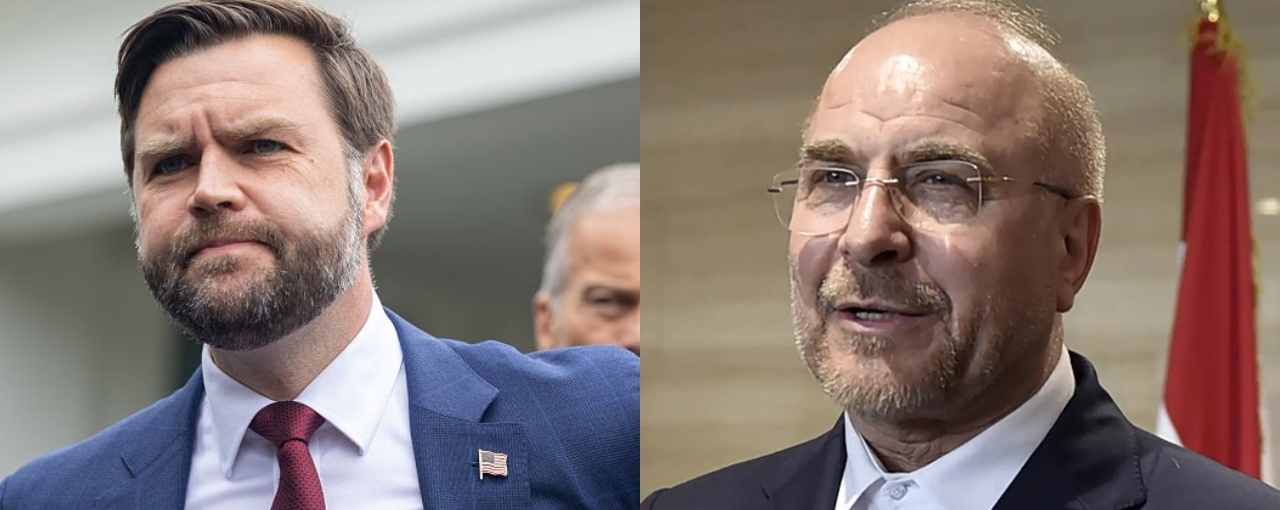
The United States plans to send JD Vance to negotiate.
But:
Iran may skip the talks
Pakistan has tightened security, showing high risk
📊 Possible outcomes
Best case
Ceasefire extended
Talks succeed → reduced tensions
Worst case
Ceasefire collapses
Military strikes resume
Strait of Hormuz blocked again
Global impacts:
Oil prices surge
Inflation rises
Wider Middle East conflict
🧠 Big picture
This isn’t just a regional issue—it’s a global economic and security risk. The next few days are critical because:
Diplomacy is running out of time
Both sides are escalating rhetoric
One misstep could trigger a wider war