



I have noticed something shifting again in Web3 gaming lately, and it’s subtle but hard to ignore once you see it. Peopl aren’t reacting to rewards the same way anymore. There was a time when just hearing “you can earn while playing” was enough to pull attention instantly. Nowe it almost does the opposite. It raises suspicion first, curiosity second.
That’s exactly why @Pixels has been sitting in the back of my mind more than most projects right now.
From what I’m seeing, the space is quietly moving away from the old play-to-earn mindset, even if nobody says it out loud. Too many people have already lived through that cycle. You log in, you grind, you colect tokens, and eventually you realize you’re not really playing anything. You’re just processng value on a timer. Once that feeling kicks in, it doesn’t go away. It kills the experience.
Pixels feels like it’s trying to avoid that outcome before it fully forms, and that alone makes it worth paying attention to right now.
At a surface level, it looks simple. It’s a social, casual Web3 game built around farming, exploration, and creation inside an open world. The kind of setup that doesn’t scream complexity. But I think that simplicity is doing more work than people give it credit for. It lowers the barrier. It makes the environnment feel approachable. More importantly, it gives the game room to breathe without immediately turning everything into a financial loop.

What stands out to me isn’t just the gameplay, though. It’s how the system underneath it seems to be structured.
And you know one thing I don’t look at the PIXEL token the same way I used to look at tokens in older Web3 games. Back then, tokens felt like rewards first and systems second. You showed up, did something, got paid. It sounds fair on paper, but it creates a very predictable outcom. People optimize for extraction. The game becomes secondary. Eventually, the entire economy leans in one direction outward.
Pixels doesn’t feel like it’s built for that kind of flow.
The token here feels more like part of the internal machinery. Somthing that regulates movement inside the game rather than something that just exits it. When I think about how players interact with it, it’s less about collecting and more about participating. Access, progression, small decisions that stack over time all of that seems tied into how value moves.
There’s friction in that design. You can feel it.
And I think that’s intentional.
I tell you because without friction, everything becomes automatic. And once behavior becomes automatic, it turns into routine. That’s when the game starts feeling like work. I have seen that transition happen too many times to ignore it now. It doesn’t happen overnight either. It’s gradual. First it’s efficient, then it’s repetitive, then it’s empty.
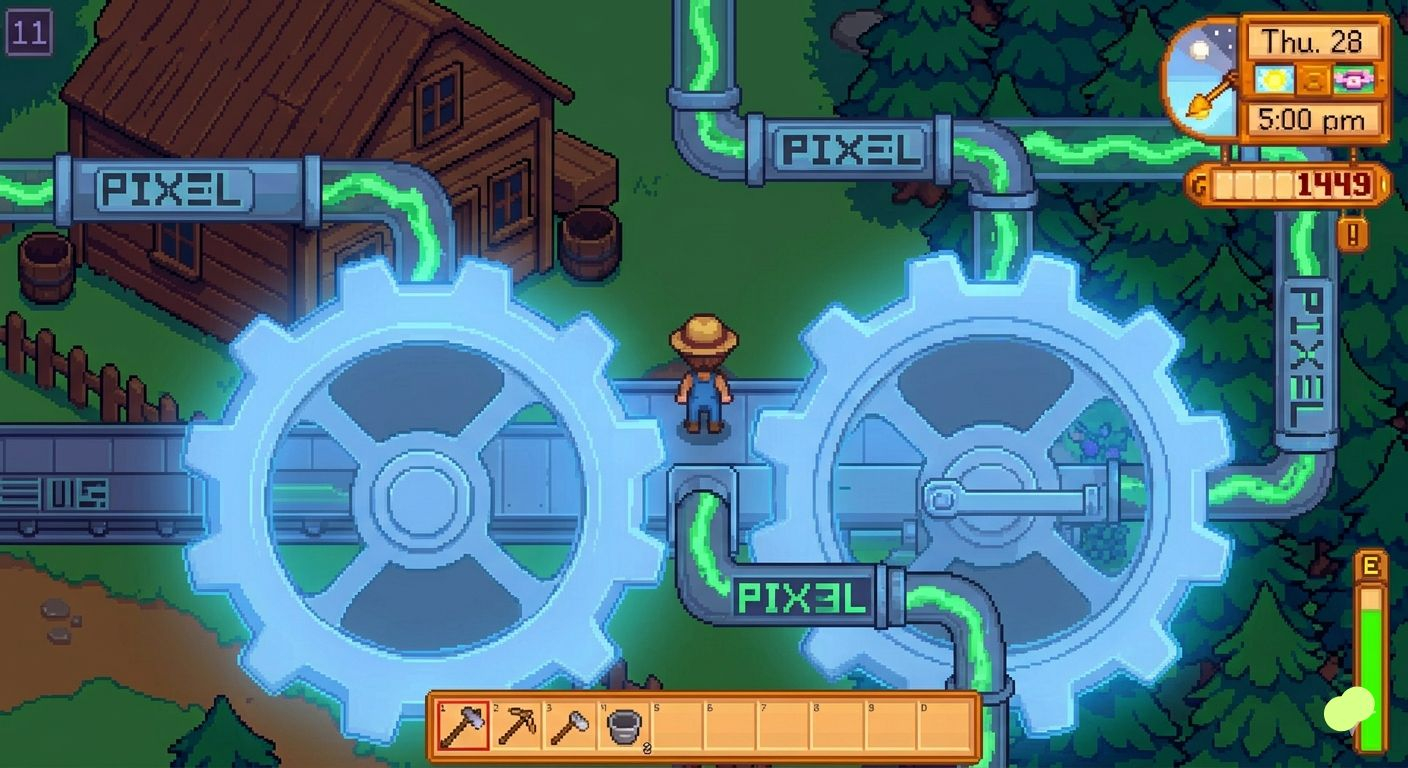
Pixels seems like it’s trying to interrupt that path early.
The open-world aspect plays into this more than people realize. Farming, exploring, building these are loops that can exist without constant financial pressure. They give players something to do that isn’t directly tied to extraction. That matters because it changes how people stay engaged. If someone logs in because they want to progress or interact, that’s a different kind of retention compared to logging in just to claim something.
One more thing I also noticed how the social layer quietly carries a lot of weight here. It’s not aggressive or forced, but it’s present. Shared space changes behavior. When players exist in a world together, even casually, it slows down the purly transactional mindset. Not completely, but enough to matter.
That said, I’m not looking at Pixels through some idealistic lens. It’s still operating in the same environment as every other Web3 game. Attention is unstable. Sentiment shifts fast. And no matter how well you design an economy, players will always look for the fastest path through it.
That’s where the real test is going to be.
It’s one thing to design a system that feels balanced early on. It’s another thing to maintain that balance when more users enter, when strategies evolve, when people start pushing the edgees. That’s usually where things begin to crack. Not because the idea was bad, but because the system couldn’t hold under pressure.
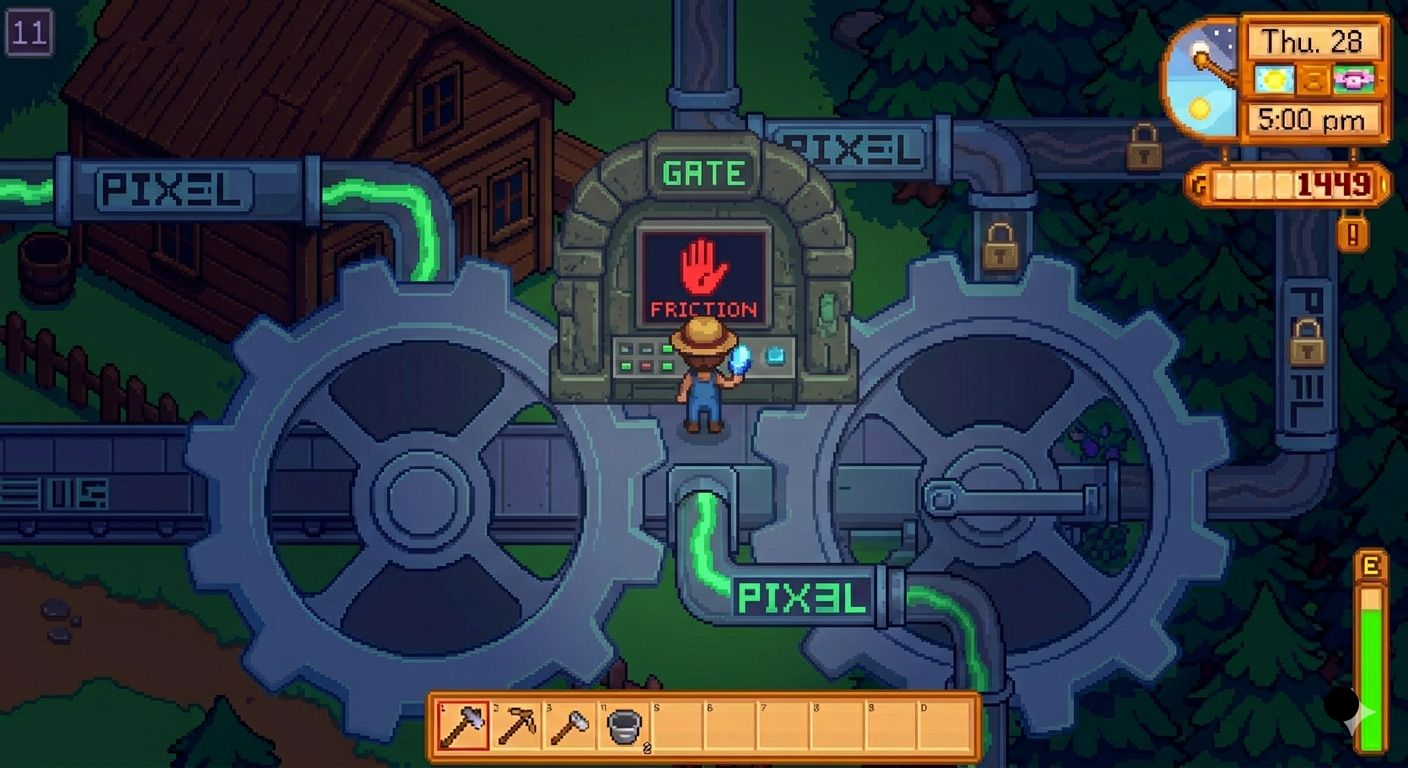
When I Compare this to other older models, Pixels feels more controlled. Less focused on handing out value freely, more focused on keeping it circulating. That difference sounds small, but it changes how the entire ecosystem behaves over time. The trade-off is obvious too. System like this can feel slower. Less instantly rewarding. Some users won’t like that. And honestly, that’s probably fine.
Not every player needs to stay.
That’s something I think the space is slowly relearning. Trying to keep everyone usually leads to keeping no one long-term. A tighter system might lose some users early, but it has a better chance of keeping the ones who actually engage with it.
What I keep coming back to is this feeling that Pixels understands the problem it’s dealing with. Not perfectly, not completely, but enough to shape its decisions differently. It doesn’t treat incentives like something harmless. It feels like it recognizes that incentives always push behavior in certain directions, and if you don’t manage that carefully, the whole system tilts.
Most projects react to that too late. Pixels feels like it’s trying to build with that pressure in mind from the start.
Still, none of this guarantees anything. If the gameplay loop starts feeling repetitive, people will drift. If the economy leans too far toward extraction, the same patterns will reappear. If attention moves elsewhere, momentum fades quickly. These are real risks, and I don’t think they should be ignored.
One thing that I find interesting though, is that Pixels doesn’t feel like it’s chasing perfection. It feels like it’s trying to survive reality. There’s a difference. One is built on ideal outcomes, the other is built on constraints.
And maybe that’s the part most people overlook.
I don’t think PIXEL is meant to feel like a reward you collect and admire. I think it’s meant to keep the system moving in a controlled way. It creates motion, but it also creates boundaries. That balance is uncomfortable at times, but without it, everything eventually breaks down into the same pattern we’ve already seen.
If I had to sum up where I stand it’s this. I’m not watching Pixels because I expect it to magically solve Web3 gaming. I’m watching it because it’s one of the few projects that seems to understand where things usually go wrong, and is at least tryng to build against that direction.
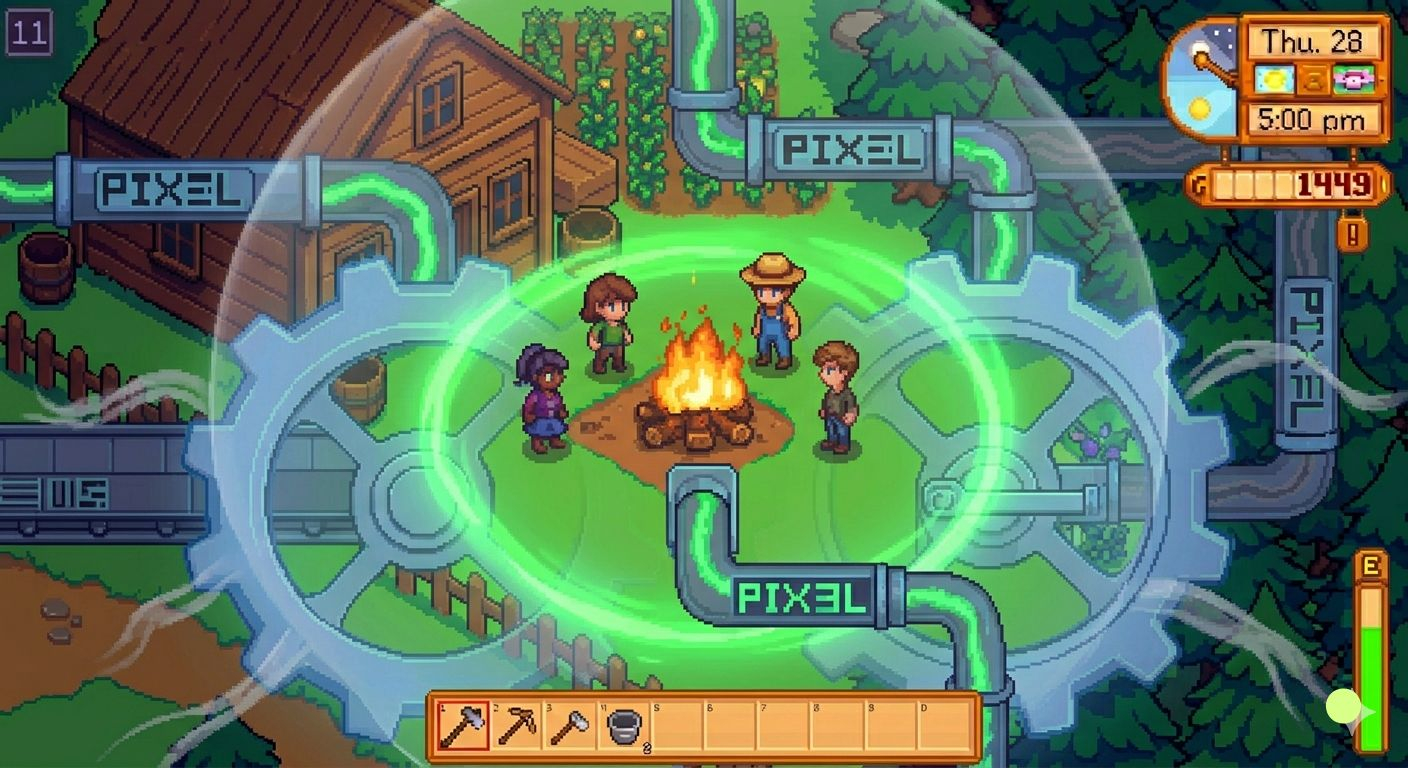
Whether it succeeds or not is still open.
But in a space that’s repeated the same mistakes more times than I can count, even that level of awareness feels like a stepp forward.
