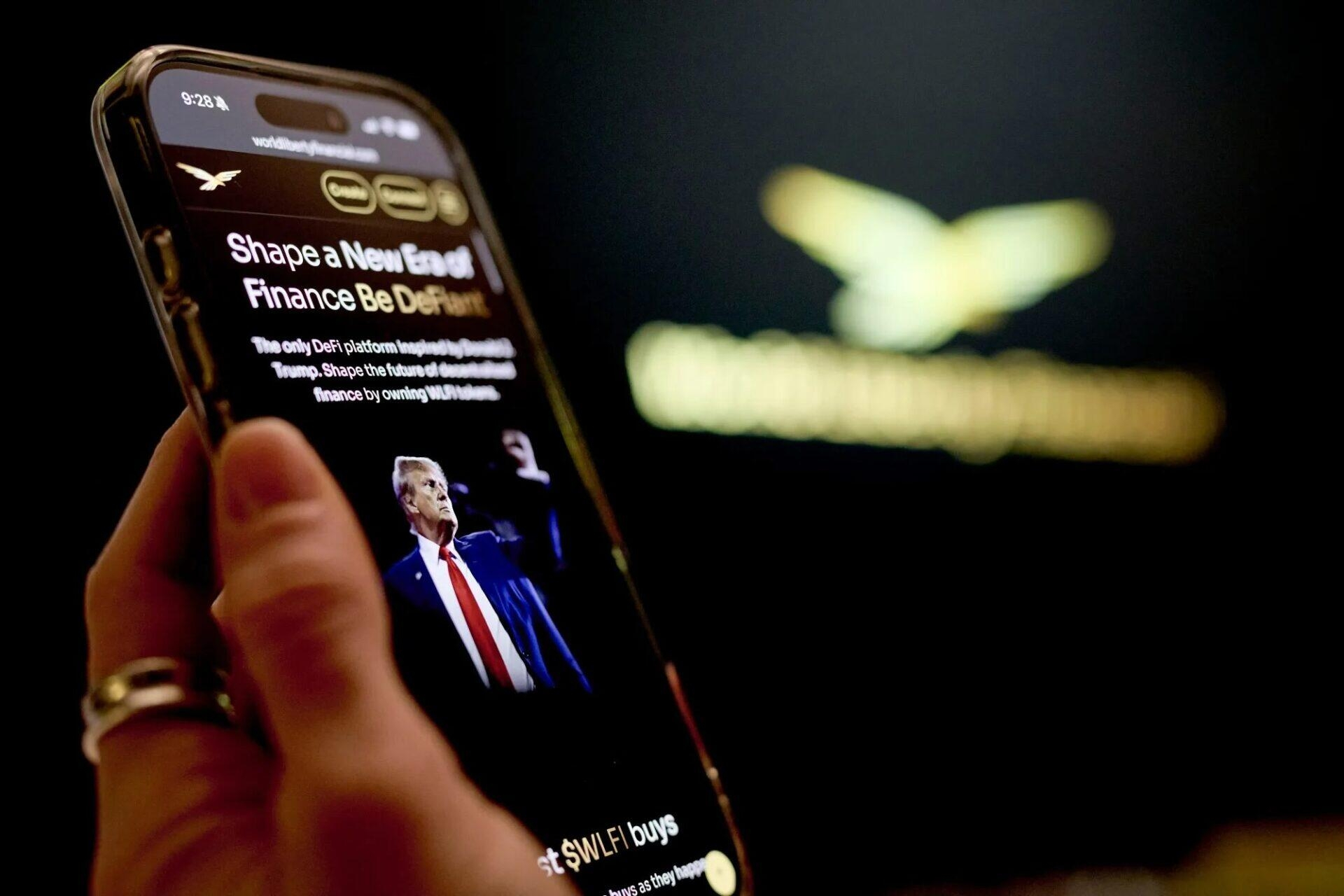


The recently discussed WLFI governance proposal in the DeFi space has put forward a robust new token unlocking plan. If successfully passed, it will create a strong long-term constraint on the supply of tokens in the market and inject clear certainty into the project's long-term development. This plan focuses on mandatory destruction and long-term locking, taking into account the rights of different groups. It not only demonstrates the project's commitment to stable supply but also conveys a clear long-term value signal to investors.
The total amount of tokens covered by this proposal reaches 62,282,252,205 WLFI, accounting for approximately 62.3% of the project's total supply. It involves multiple holding groups, including core members and early supporters. The unlocking terms for different groups vary but form a unified long-term binding logic.
Among them, the tokens locked by advisors, institutions, partners, founders, and team members total 45,238,585,647. If this portion of tokens chooses to join the new proposal, they will face the strictest constraints:
First, 10% of the tokens must be burned all at once, meaning a maximum of 4,523,858,565 WLFI tokens will be permanently destroyed. This measure is arguably the most powerful clause in the entire proposal, directly cutting a large chunk of redundant chips from the supply side;
90% of the remaining tokens will need to undergo a 2-year lock-up period, followed by a 3-year linear unlocking phase, meaning that the core team will need to wait at least 5 years to fully release the tokens in their possession, completely eliminating the possibility of short-term sell pressure.
Compared to the strict terms for the core team, the treatment for early supporters is much friendlier, which fully reflects the project's recognition and rewards for early participants. The 17,043,666,558 tokens locked by early supporters do not need to be destroyed and can be fully retained, with the lock-up and unlocking periods relatively shortened: the same 2-year lock-up period, followed by only 2 years of linear unlocking, totaling 4 years for complete release.
This differential treatment is fully reasonable; early supporters chose to trust and support the project during its most uncertain phase, and should therefore receive more lenient terms. This differentiated design also further solidifies the consensus among different groups, making the proposal more executable.
It is worth noting that the proposal sets a highly binding 'either-or' rule: all holders of locked tokens, if they are unwilling to accept the new unlocking plan, will have their tokens indefinitely locked according to the original terms, unable to obtain any liquidity.
This rule creates a strong counter-pressure effect, and rational holders are highly likely to choose to accept the new plan—after all, even if they need to bear some destruction costs and accept a long-term lock-up, it is far better than the dilemma of tokens being unable to circulate for a long time.
This design will ultimately achieve one result: whether it is accepting the new plan of destruction + clear unlocking period, or not accepting the indefinite lock-up, these 6.2 billion tokens will be firmly locked in the governance pool for at least the next two years, not forming any sell pressure on the market.
The signal conveyed by this proposal is clear and powerful: all key stakeholders, including the project's core team and early supporters, will be bound to the project's long-term governance goals, with interests deeply tied to project development.
The destruction of billions of tokens is a real deflationary measure, directly reducing the total supply, while the long-term lock-up completely eliminates the hidden risks of short-term sell pressure, making the circulating supply of WLFI highly predictable in the next two years.
In this case, as long as the demand side maintains normal growth, the upward elasticity of token prices will become very apparent, and the value of the tokens will no longer be limited to short-term speculation, but will be deeply tied to the project's decentralized governance, further solidifying the project's governance foundation.
On the surface, the destruction of 4.52 billion tokens is just one benefit, but more importantly, the complete 'freezing' of 62.28 billion tokens within two years brings about an increase in scarcity.
The core team must endure a full 5 years to completely release the tokens, while early supporters must also wait 4 years. This ultra-long supply lock-up is relatively aggressive in the entire DeFi space. As long as the project's fundamentals can continue to advance, the scarcity of tokens will gradually reflect in the price over time, bringing substantial returns to long-term investors.
The WLFI new token unlocking proposal acts as a reassurance for the market: no holder can suddenly dump their tokens, and everyone must be bound to the project for at least two years. For investors who value long-term potential, this certainty on the supply side is undoubtedly the biggest benefit.
Destruction and long lock-up are tackled simultaneously, which not only optimizes the token's chip structure but also strengthens the project's long-term development confidence. As the proposal progresses, the intrinsic value of WLFI will also gradually increase, carving out a differentiated long-term development path in the DeFi space.