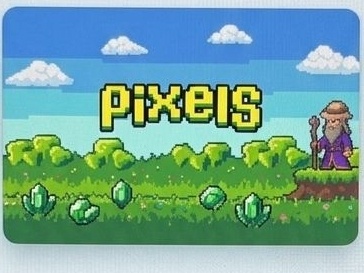
The evolution of Web3 gaming is becoming more tangible, and @Pixels is a strong example of how this space is maturing. What makes Pixels stand out isn’t just its accessible gameplay, but how it integrates a full economic loop through its Stacked ecosystem. Instead of isolating gameplay from value creation, Pixels connects player activity, resource management, and ownership into a unified system powered by $PIXEL.
At the core, the Stacked ecosystem encourages long-term participation. Players aren’t just farming for short-term rewards—they are contributing to a broader in-game economy where assets, land, and social collaboration all play a role. This creates a dynamic environment where value is generated organically through interaction rather than artificial incentives.
Another interesting aspect is how @Pixels lowers the barrier to entry while still maintaining depth. New players can easily get started, but as they progress, they discover layers of strategy involving land optimization, crafting, and community-driven economies. This balance is crucial for sustainable growth in blockchain gaming.
Looking ahead, the integration of staking mechanisms and expanded utility for $PIXEL could further strengthen the ecosystem. If the team continues building around player ownership and meaningful engagement, Pixels could become a blueprint for future Web3 games.
In a space often driven by hype, @Pixels is quietly focusing on structure, usability, and long-term value. That’s why I believe #pixel has the potential to stand out as more than just a trend—it’s part of a broader shift toward sustainable digital economies.