
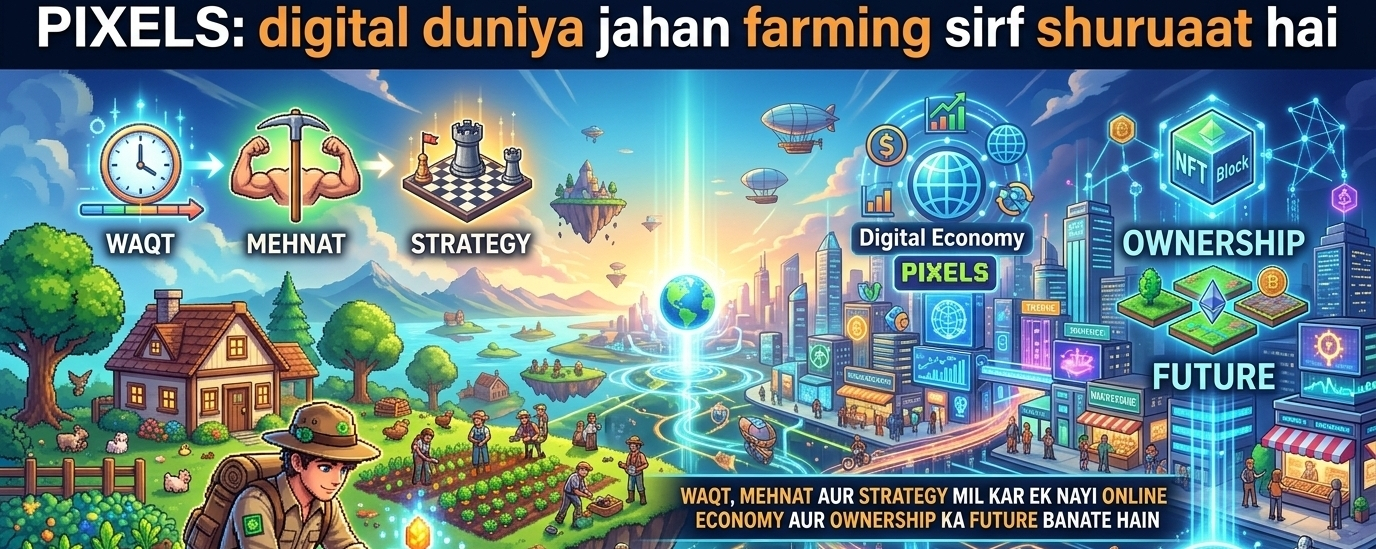
Understanding Pixels is a bit of a trip because at first glance, it just seems like a simple farming game, kind of like the old-school casual games where you plant seeds and then wait for the crops to be ready. But as you spend a little time in this world, you gradually realize that it's not just farming going on; there's a small economy running, and you're part of it.
Its story is pretty interesting. While most Web3 games were just focused on how to get people to cash out quickly, Pixels took a different approach. They figured if the game itself isn't enjoyable, the whole earning concept won't last long either. This decision wasn't flashy, but it was definitely solid. That's why, while many projects slowly faded away, Pixels kept growing at its own pace.
Then came a time when it was shifted into a gaming ecosystem where both performance and scale improved. This move felt like taking a small shop into a bustling marketplace. Suddenly, more people had access to more activity and more opportunities. From here, the game began to establish its true identity.
The gameplay is so simple that anyone can start. A bit of farming, a bit of exploration, a bit of crafting. But the real story lies behind that simplicity. Every action uses energy, which limits you. At first, it seems like a restriction, but in reality, it balances the system. If everything were unlimited, nothing would be valuable. Here, every little thing has its weight, just like in real life.
The most interesting part is ownership. Whatever you do—buying land, crafting items, or collecting resources—it's not just game data; it becomes your asset. This means you're not just playing; you're building. Some players lease their land to others, some engage in trading, and others simply focus on how to become more efficient.
There's another layer at play here that isn't immediately obvious to everyone. This game shifts your way of thinking. You slowly start to see everything as a system. Which assets yield more returns, which activities are time-wasters, and when it's best to short. These decisions become second nature. And without realizing it, you transform from a player into a strategist.
But nothing is perfect. There are challenges here too. Sometimes the earnings aren't as strong as people expect. The economy can slow down, and at times it feels like the effort is more than the returns. These realities remind you that this isn't a magic system but a real economy where both ups and downs exist.
Still, what sets Pixels apart is that it doesn't stop. It keeps evolving. Gradually, it’s becoming more than just a game; it’s heading toward becoming a platform where different experiences can connect. In the future, it’s possible that people won't just farm but create their own little digital worlds, set their own rules, and grow their communities.
To put it simply, Pixels feels like an experiment. It’s observing how seriously people invest their time and effort in a digital world. It’s testing whether playing and working can be one and the same. And little by little, it seems to be leaning toward a yes.
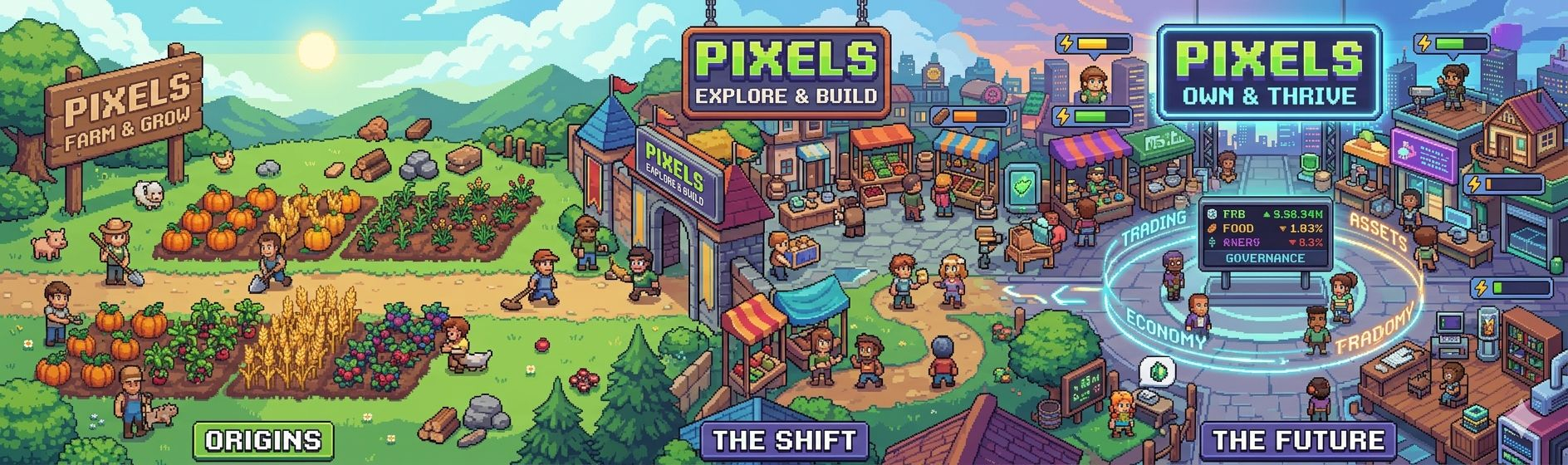
Calling Pixels just a game doesn't really do it justice. It's an experience that gradually makes you feel that the internet is no longer just a place to watch, but rather one to create and own.