
There is a quiet gap in most Web3 ecosystems that rarely gets addressed directly. People talk about identity, ownership, and decentralization like they’re already meaningful on their own. But in reality, holding a token or owning a digital asset doesn’t automatically translate into real participation. The difference between having an identity and using it is where most projects lose momentum.
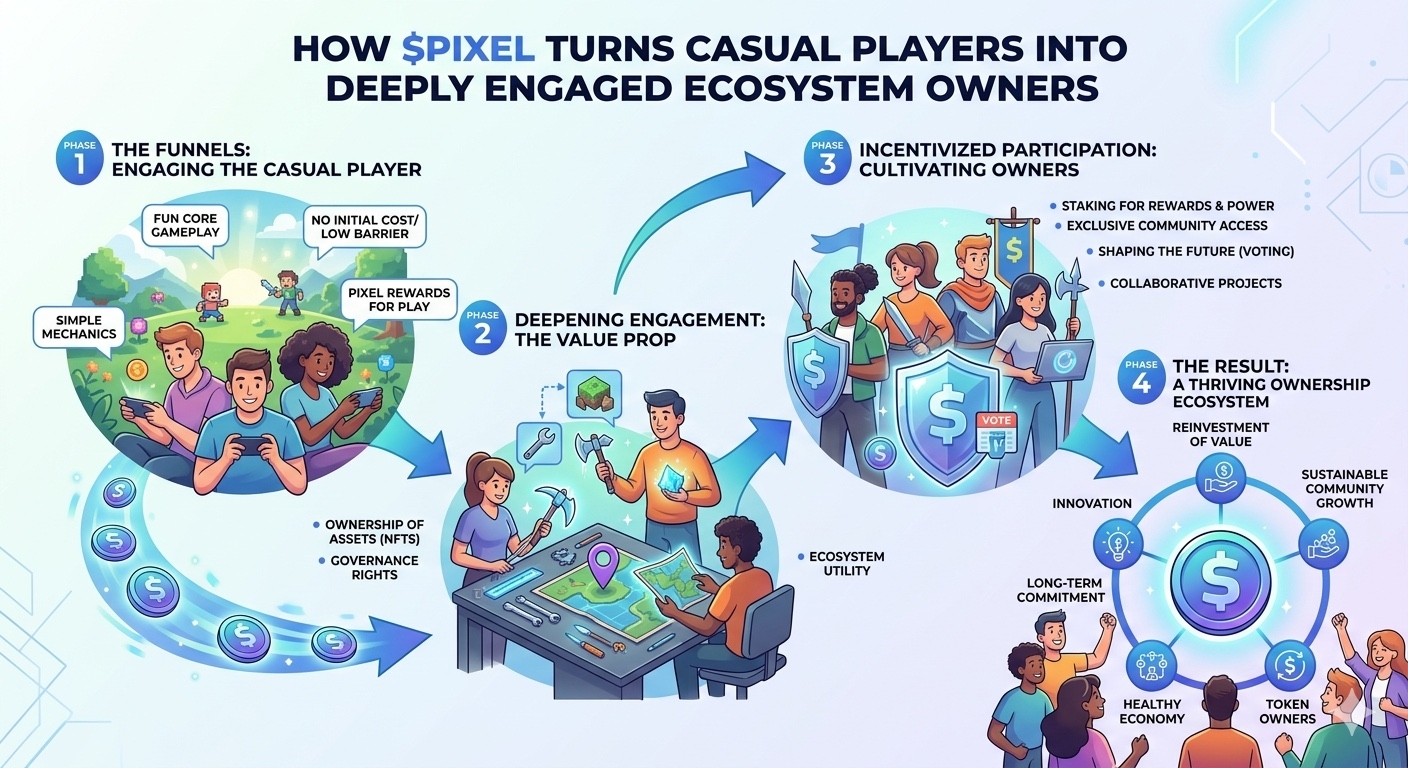
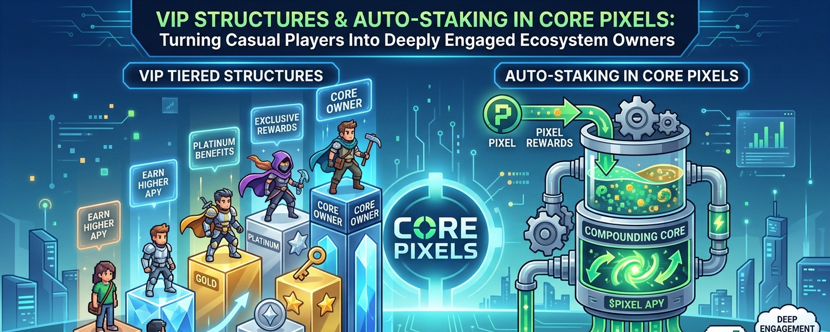
Core Pixels approaches that gap differently, especially through its VIP structures and auto staking design. Instead of treating ownership as the end goal, it treats it as the starting point. The system nudges users away from passive holding and toward continuous engagement, where activity itself becomes part of the value loop.
The VIP structure plays a key role here. It’s not just a tiered rewards system for whales or early adopters. It’s designed to reflect behavioral depth. Users who interact more, transact more, and stay longer gradually unlock higher utility. This creates a subtle but important shift. Instead of rewarding static balances, it rewards participation. That distinction matters because it directly impacts how liquidity behaves over time.
Auto-staking reinforces this by removing friction. Most ecosystems rely on users to manually commit their assets, which often leads to inconsistent participation. Here, staking becomes embedded in the experience. Assets are not sitting idle; they are continuously contributing to the network. That has two immediate effects. First, it stabilizes liquidity by reducing sudden outflows. Second, it aligns user incentives with long term ecosystem health.
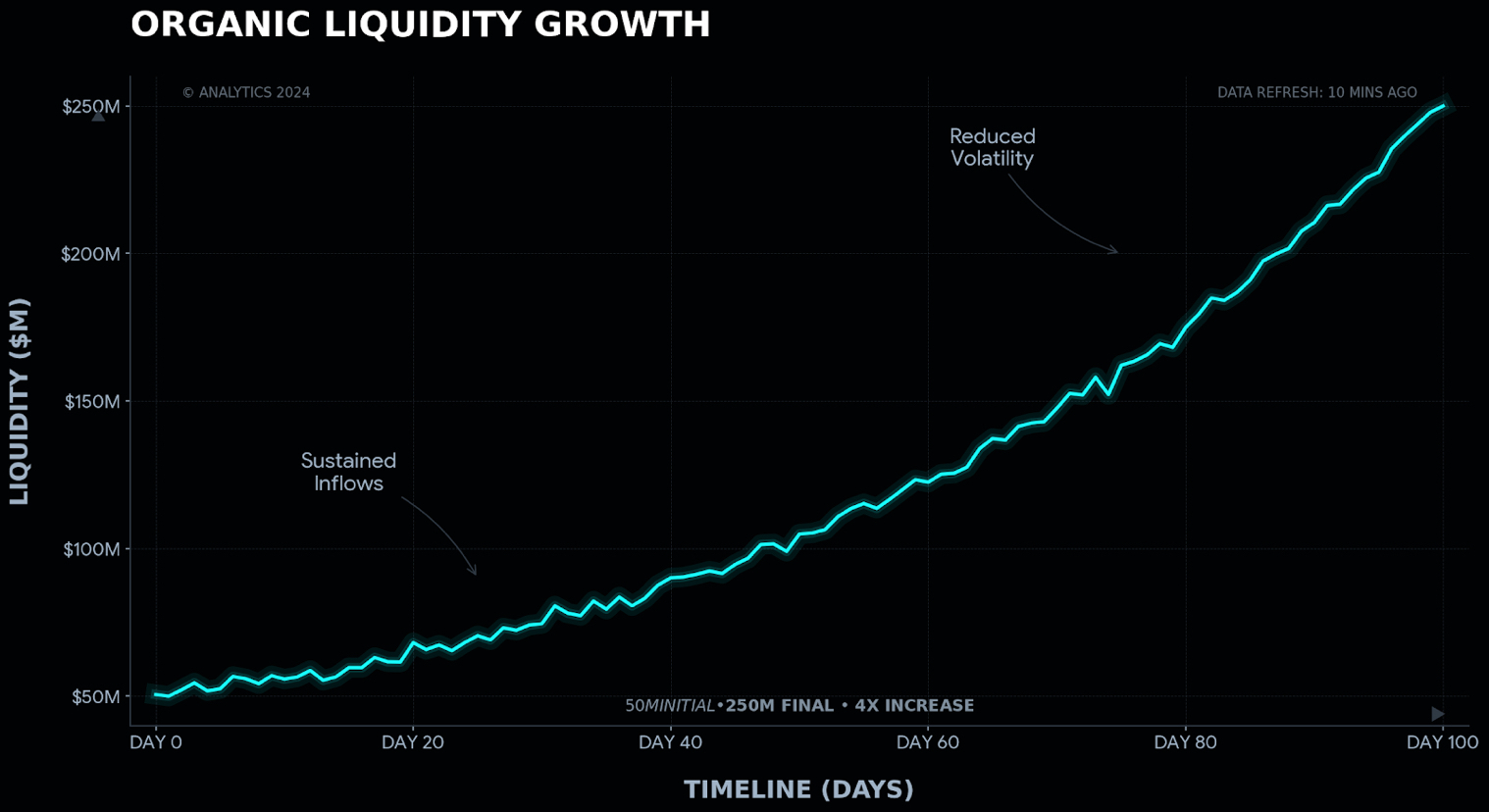
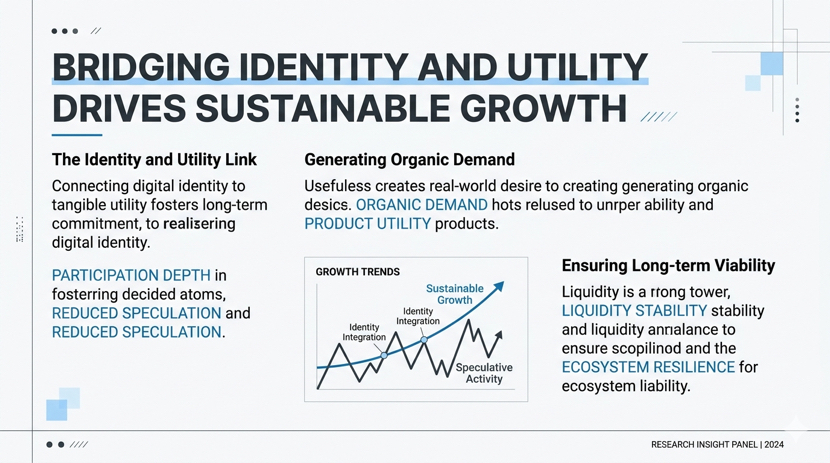
When you look at market signals, this design starts to make more sense. Liquidity in speculative systems tends to spike and collapse in cycles, driven by short-term narratives. But in a system where participation is required to unlock value, liquidity growth becomes more gradual and organic. It reflects actual usage rather than hype.
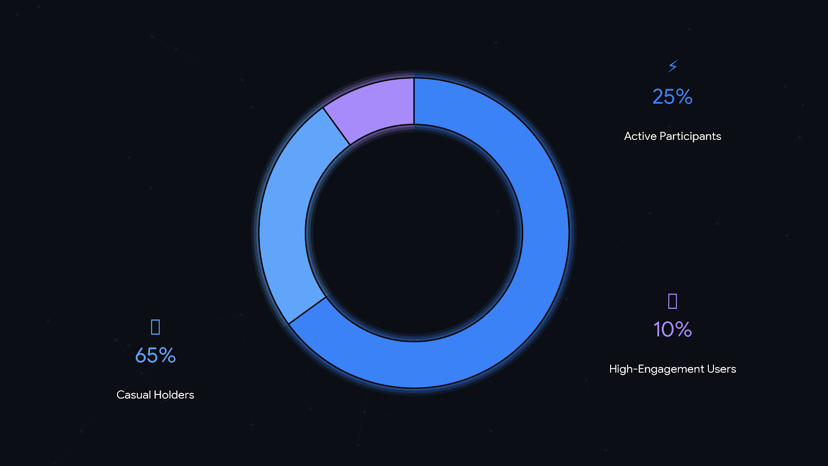
Holder distribution tells a similar story. In many projects, a small percentage of holders control the majority of supply, which creates structural fragility. Any large movement can disrupt the entire market. A participation driven model encourages broader distribution because value is tied to activity, not just accumulation. Over time, this can lead to a more balanced network where influence is less concentrated.

The real strength of this approach is how it bridges ownership and application. A digital identity becomes meaningful only when it interacts with systems, generates transactions, and contributes to network effects. Without that, it remains symbolic. Core Pixels tries to close that loop by making engagement unavoidable if users want to maximize value.
There’s also a broader implication here. Organic demand is often talked about, but rarely engineered. Most ecosystems hope it emerges naturally. In this case, the structure itself creates conditions where organic demand is more likely. Users aren’t just buying into an idea; they’re participating in a system that requires ongoing interaction.
That said, this model isn’t without risks. Any system that encourages continuous engagement has to maintain a careful balance. If incentives are too aggressive, it can feel forced. If they’re too weak, participation drops. The success of VIP structures and auto-staking depends on how well they sustain genuine activity without turning into mechanical behavior.
Still, the direction is notable. Moving from passive ownership to active participation addresses one of the biggest inefficiencies in digital economies. It turns identity into something functional rather than symbolic. And in doing so, it creates a more resilient foundation for liquidity, distribution, and long-term growth.
In a market that often prioritizes short-term excitement, this kind of structure leans toward durability. It doesn’t eliminate speculation, but it reduces reliance on it. And that alone makes it worth paying attention to.