

at first it feels simple.
log in, run the farm, clear a few Tasks, repeat. the kind of loop you don’t question because it works. everything you need is right there on the board, visible, structured, ready to complete.
nothing about that suggests there’s anything deeper deciding what shows up.
but stay in it long enough and something starts to feel… pre-shaped.
not broken, not manipulated in an obvious way. just… curated.
like the Task Board isn’t generating opportunity, it’s exposing a slice of something that’s already been decided elsewhere.
because rewards don’t just appear when you complete something. they’re allocated before you ever see the Task. routed, constrained, filtered through systems that decide what can actually make it to the surface without breaking balance.
and once you notice that, the whole thing tilts a bit.
because now the question isn’t “what should i do next?”
it’s “why am i only seeing these options?”
that’s where staking quietly enters the picture.
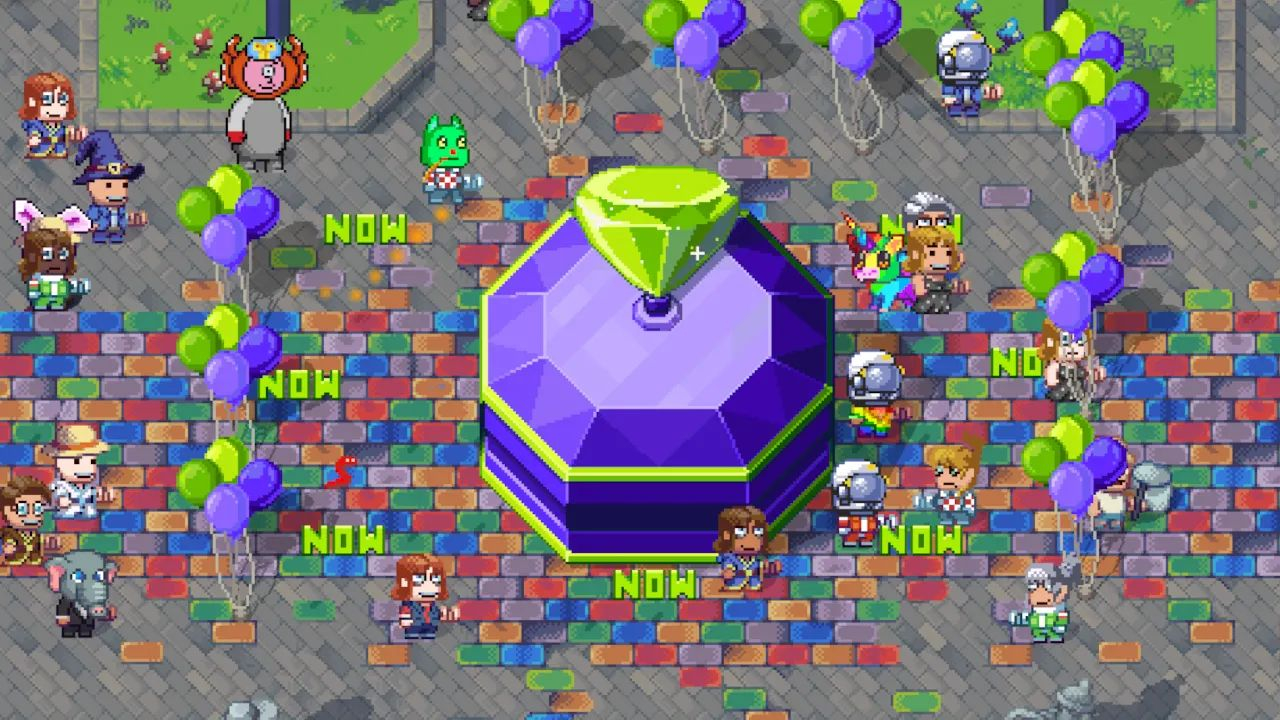
not as a feature you interact with directly while playing, but as something that sits upstream from everything you touch. it doesn’t feel connected at first because it doesn’t interrupt your loop. but it shapes it.
when stake moves into certain validators, it doesn’t just sit there. it influences where reward budget can flow, which pathways stay funded, which game loops can consistently surface without collapsing under constraint.
so by the time a Task reaches your screen, it’s already passed through layers of selection.
and selection changes everything.
because what looks like “the best content” might just be the content that had enough support behind it to survive those filters.
not necessarily the most fun.
not necessarily the most creative.
just the most sustainable under pressure.
and the ones that don’t meet that threshold?
they don’t fail loudly.
they just never really appear.
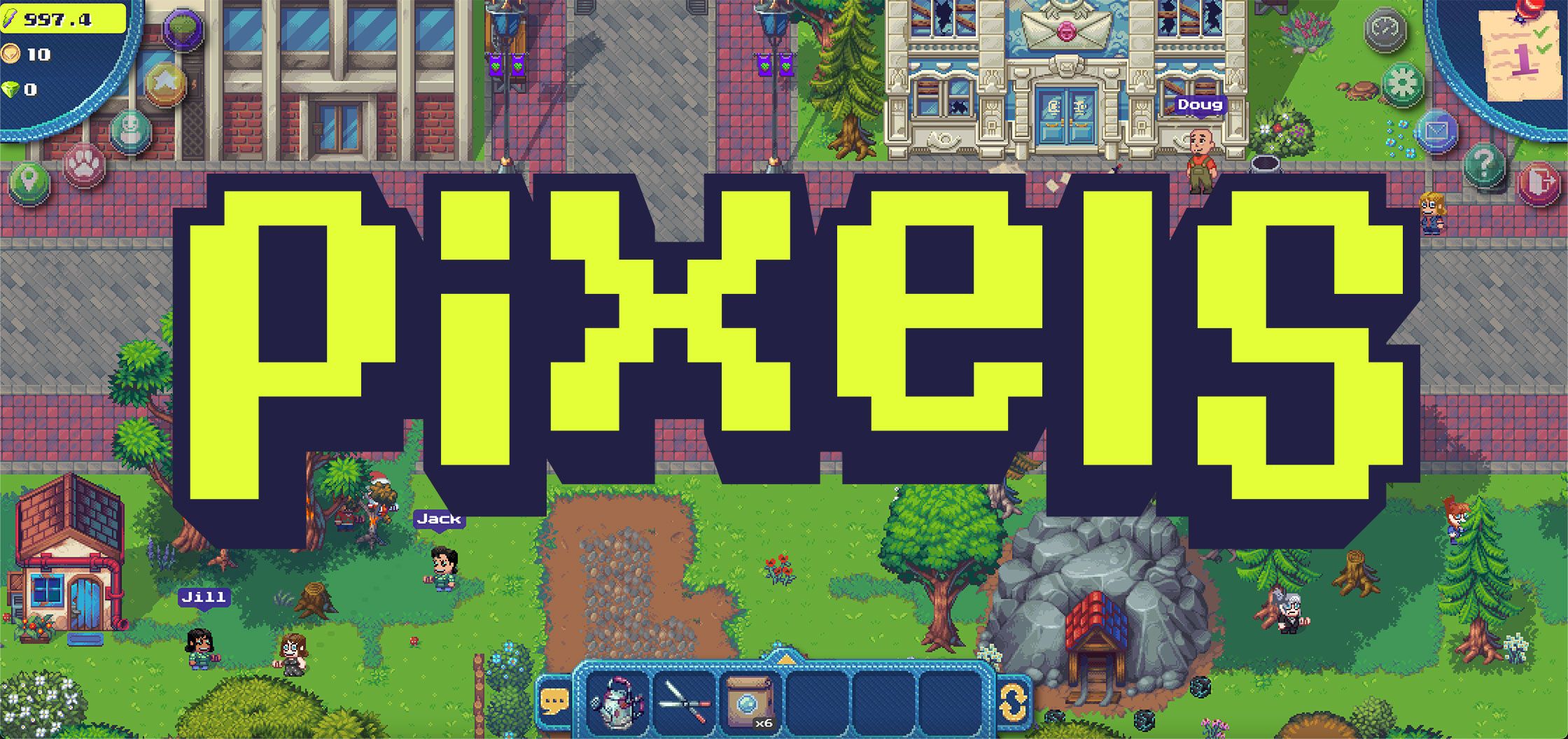
their Tasks are thinner, less frequent, harder to sustain. their reward loops don’t fully resolve. most of their activity stays trapped in lower layers, never quite making it into the visible economy.
so from a player’s perspective, they barely exist.
not because they’re bad…
but because they never received enough directional support to be seen.
that’s the part that shifts how Pixels feels.
because now it’s not just a game you explore.
it’s a system that filters what’s explorable in the first place.
players move toward what feels active. staking reinforces what’s already surviving. reward flow concentrates where it’s safest to emit. and without anyone coordinating it, the entire ecosystem starts narrowing itself.
not by force.
by constraint.
so when something feels “alive” inside Pixels, it’s worth asking a different question.
is it alive because players chose it…
or because it was one of the few things allowed to stay alive long enough to be chosen?
and that loops back to you, whether you’re staking or not.
because even if you never touch that layer, you’re still operating inside its outcome. every Task you complete, every loop you repeat, every system that feels worth your time… all of it has already passed through a filter you don’t directly see.
which means gameplay isn’t just interaction.
it’s downstream.
so maybe Pixels isn’t just solving game economies by adjusting rewards or limiting exits.
maybe it’s solving it earlier than that.
at the point where most possibilities are quietly removed before they ever become visible.
and if that’s true, then this isn’t really a question of what game is better.
it’s a question of what was allowed to reach you at all.