
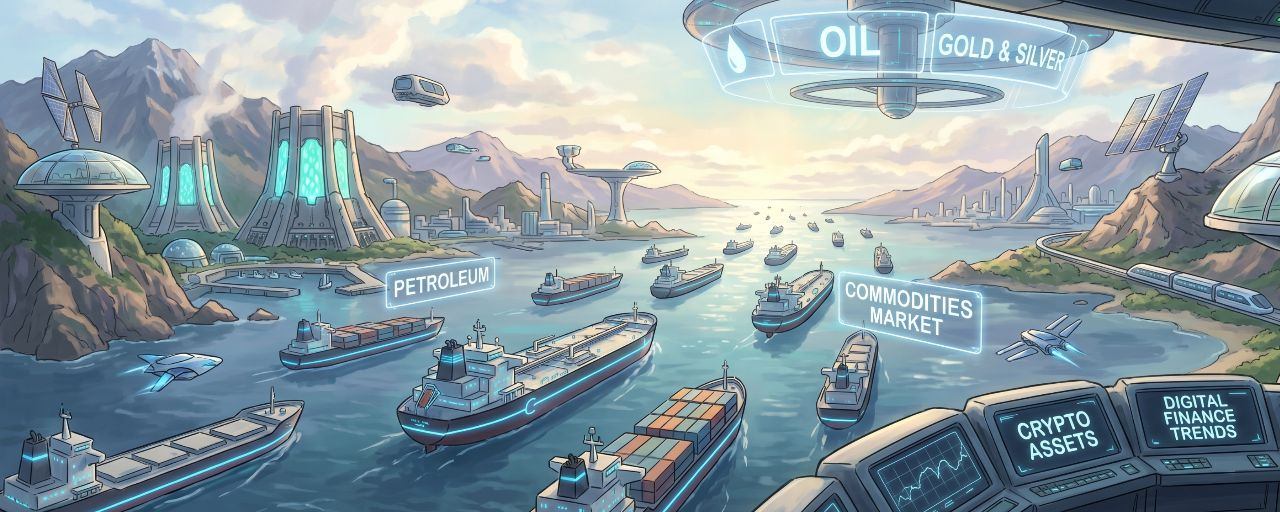

In the past two weeks (from April 9 to April 23), the situation between Iran and the U.S. has shown a complex mix of extended ceasefire and actual maritime friction. This article systematically reviews both sides' military actions, diplomatic negotiations, the current state of passage through the Strait of Hormuz, and the impact on global financial markets. The U.S. is applying pressure through a naval blockade, while Iran is countering by seizing merchant vessels. This key shipping route, responsible for about 20% of global oil transport, has become the focal point of the conflict, continuously affecting energy supply and market expectations. Overall, the conflict has shifted from potential military confrontation to a phase of economic pressure and diplomatic maneuvering.
US military blockade tightening step by step
Since mid-April, the US Central Command has escalated naval blockades on Iranian ports. Around April 19, the US military fired warning shots at the Iranian-flagged cargo ship Touska, successfully boarding and taking control, with the clear objective of cutting off Iran's oil export routes. Meanwhile, the US has continuously reinforced its military presence in the area with missile destroyers and aircraft carrier strike groups. Trump has repeatedly stated that the blockade will continue until a 'satisfactory agreement' is reached, with the US conducting round-the-clock monitoring through satellite intelligence systems, emphasizing that all actions comply with international law.
IRGC strikes back hard
Facing blockade pressures, Iran swiftly retaliated. On April 22, the IRGC Navy attacked three merchant ships in the Strait of Hormuz, seizing two of them (MSC Francesca and Epaminondas). Iranian officials promptly released boarding videos, showcasing armed personnel throughout the process and emphasizing that these actions targeted vessels violating restrictions. An Iranian official clearly stated: 'Only by lifting the blockade can real negotiations take place.' They briefly announced the opening of commercial passage, only to quickly tighten controls. Fast boats and drones operating in tandem further highlighted their actual grip on the Strait.
Ceasefire extended, negotiations still uncertain
Trump announced on April 22 that the ceasefire would be extended, allowing room for negotiations. The second round of talks in Islamabad was initially planned to be led by the US Vice President, but Iran has yet to officially confirm participation. The core disagreements between the two sides remain centered on the complete opening of the Strait of Hormuz and the authorization of negotiation representatives. China has called for urgent diplomatic mediation, while Russia has also expressed concern, with both sides accusing each other of violating the ceasefire. Currently, the ceasefire resembles a fragile tactical pause, and the prospects for a long-term agreement remain uncertain, with any new statements potentially shifting the negotiation dynamics instantly.
Strait of Hormuz: a global energy chokehold nearly paralyzed
This crucial shipping lane, responsible for about 20% of global oil transport, is now the focal point of conflict. In the past two weeks, many tankers have been forced to queue, reroute, or remain stranded in nearby waters. After Iran tightened controls, actual passage through the Strait has been severely obstructed. The US's mine-clearing and blockade maintenance operations are expected to take a long time, significantly increasing safety risks for vessels. Several international shipping companies have issued urgent warnings, advising ships to reroute around the Cape of Good Hope or delay loading. Satellite imagery shows a significant decrease in vessel density at the Strait's entrance, placing immense pressure on the global energy supply chain.
Financial markets show resilience against the tide
Surprisingly, despite the evident rise in geopolitical risks, global financial markets did not experience a panic sell-off but rather demonstrated strong resilience. Oil surged significantly due to supply concerns, cryptocurrencies experienced a moderate rebound, and US stocks edged up, driven by the energy and defense sectors. Investors seem more inclined to believe in a scenario where 'the ceasefire is likely to be extended,' with quick recoveries after short-term volatility, showing that confidence in long-term economic growth remains solid.
Oil prices rebound strongly
WTI crude oil fluctuated upward from the $80 range around April 10, rising to approximately $93.09 by April 23, with a cumulative increase of about 8% to 11% over two weeks. News of blockades and ship seizures repeatedly drove oil prices up rapidly. Brent crude closed around $102 on April 23, with the energy sector overall leading gains and trading volume in the futures market significantly increased.
Bitcoin records a 6% increase
Bitcoin rebounded from around $73,000 on April 10 to the $77,000-$78,000 range by April 23, with a cumulative increase of about 6% over two weeks. In light of risk events, the crypto market maintained a certain risk appetite, with major coins like Ethereum also strengthening, and stablecoin trading volume slightly increasing.
US stocks stubbornly hit new highs
The S&P 500 has repeatedly hit new interim highs over the past two weeks, closing at 7137.90 points on April 22, with a cumulative rise of about 1% to 2%. The energy and defense sectors performed well, while the tech and consumer sectors faced some pressure, but overall the market did not trigger large-scale selling; both the Dow Jones and Nasdaq indices showed steady performance.
Global impact and future risks
This incident is essentially a combination of economic pressure and military deterrence. Although both sides have avoided direct fleet collisions, there remains a risk of miscalculation in gray zone operations. The involvement of major powers like China and Russia further complicates the situation. Other Middle Eastern countries have begun adjusting their diplomatic stances, with some Gulf oil-producing nations calling for a swift return to normal passage.
Rising oil prices are driving up global inflation expectations, constraining monetary policies in major economies. If negotiations progress smoothly, the Strait may gradually return to normal, putting downward pressure on oil prices; however, if talks break down, prolonged restrictions in the Strait could trigger a larger energy crisis and price shock.
Events from the past two weeks have once again proven: against the backdrop of shifting geopolitical winds in 2026, financial markets have shown unexpected resilience and adaptability. The next 72 hours of negotiation progress, Trump's latest statements, and real-time vessel dynamics in the Strait of Hormuz will be key variables that determine market direction.
////////////
Disclaimer: This article is for informational reference only and does not constitute any investment advice. The crypto market is highly volatile, and investments carry risks; please do your own research and independently bear the consequences.