
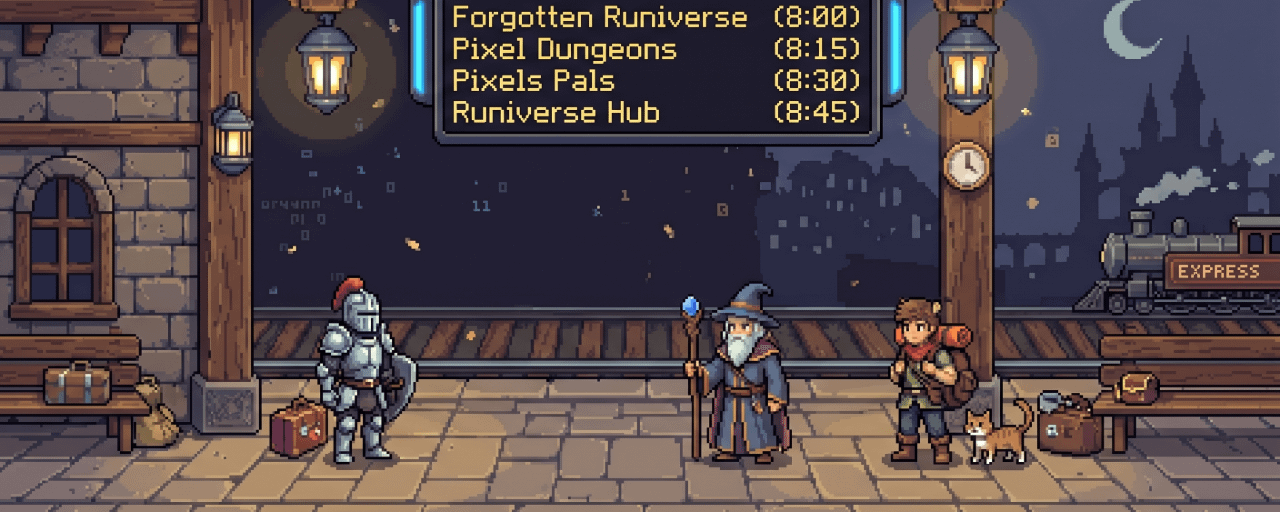
After hanging around the Web3 space for a while, you'll realize that the term 'dream' is pretty cheap.
A few years back, when everyone was talking about Axie, the streets were buzzing with 'Play to Earn' slogans, as if anyone with a phone and some spare time could achieve wealth through farming and pet-raising. Back then, Pixels looked like an innocent pixel farm where people were planting, socializing, and casually grabbing some airdrops.
But honestly, who doesn't know the deal? The vast majority dive in, not for those few pixel seeds, but to flip those airdrops into real cash. It's essentially a liquidity mining game in disguise; the project teams are minting tokens to buy traffic while players are cashing out their grind.
After playing this game for a while, everyone gets the illusion that money can just magically appear.
But recently, when I opened Pixels' latest white paper, my 'veteran' sense of disillusionment hit me even harder. This isn't a game manual; it's clearly a KPI assessment handbook from a big company.
Pixels no longer wants to talk about changing the world or the metaverse dream; it can’t even be bothered to package 'is the game fun?' as a core selling point. What it wants to become is a 'blockchain advertising intermediary alliance.'
Sounds pretty ironic, right?
While everyone is still immersed in the romantic fantasy of 'decentralization,' Pixels is studying how to transfer the cold, efficient buying logic of Web2 onto the blockchain.
It has proposed a concept called RORS, which translates to 'gold mining ROI.'
In the past, projects issued tokens based on mood, luck, or to boost data. Now Pixels feels like a savvy accountant, standing at the door with an abacus, watching every player. It clearly states in the white paper: every token issued must return equivalent or even greater profit. If the ROI is below 1.0, the books just won't balance.
This creates an intensely real sense of 'stinginess.'
This feels like when you used to go to a casino, and the boss would give you a few hundred bucks in chips just to keep you there, even providing meals. Now the boss isn't pretending anymore; he starts checking the surveillance to see if you're just there for free chips. If you're only there to grab free chips and walk away, he'll not only cut off your internet but also post your picture at the entrance.
But if you're willing to spend real money in it, then it will give you a bit of 'precision tipping.'

To plug the loopholes for those wanting to cash out and run, it has also created something called vPIXEL.
The white paper calls this innovation, but to me, it's just 'happiness points that can only be spent in the game.' Want to cash out as real money? Sure, pay a hefty 'farmer's tax.' Want to buy gear or decorate in the game? No problem, no transaction fees.
This design, to put it plainly, is that the project has had enough of those 'vampires' who come in, take a shot, and leave.
It wants to force wealth to stay within this system, turning it into a closed loop. This is actually a collective awakening of Web3 gaming: when the external FOMO fades, if no one is willing to consume for 'fun,' that fragile token economics model won't last a month.
So, Pixels' current strategy is very pragmatic, even a bit cold.
It no longer pursues that false user growth; it's chasing the efficiency of 'buying traffic.'
It's turning the game into a 'validator.' This used to sound like a fancy term, but now it means: the game itself is a traffic filter. If your game can retain players and encourage them to spend, then I'll tilt more rewards your way.
This isn't decentralization; this is practically 'ByteDance' on the blockchain.
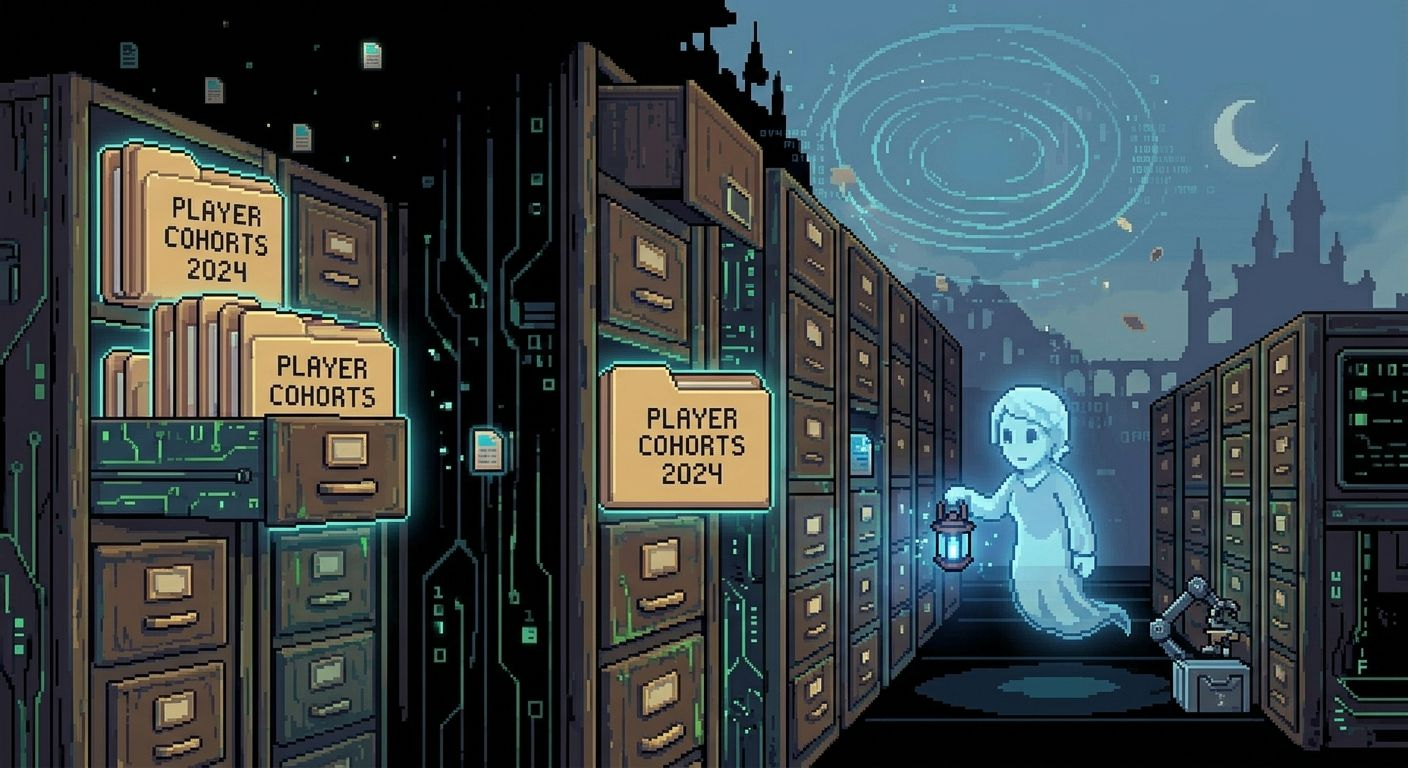
Pixels is trying to collect massive amounts of player data, including when you log in, where you spend your money, and how many friends you bring in, to build a huge profiling system. Then, it decides who gets rewards based on this data.
This kind of 'precision tipping based on who you are' has completely shattered the past illusion that you could just come in and pick up money.
If you're just a simple gold grinder, you'll find the days ahead increasingly tough. The barriers will rise, VIP privileges will become standard, and all core earnings will be locked behind various complex assessment metrics. You are no longer a 'contributor' to the project; you become a 'cost' that the system needs to optimize.
This transformation is actually a sign that the blockchain gaming industry is entering its second half.
Everyone finally admits that relying on token issuance to sustain a game's lifecycle is a pipe dream. The only way out is to return to the old path of Web2: calculate, buy traffic, improve retention, and induce spending.
So is this a good thing or not?
Looking at it from a different angle: in that hypocritical circle where everyone is shouting about the 'metaverse' and 'changing the world,' Pixels' attitude of 'I just want to be an efficient advertising intermediary' feels refreshingly honest.
It no longer spins dreams; it lays the books out in front of you.
It tells everyone entering the arena: this is no longer an era of blind money picking. This is an extremely precise 'data abacus,' where every action is quantified into LTV and conversion rates.
We used to think Web3 would disrupt traditional internet; ironically, the most successful Web3 projects are now desperately learning the harvesting techniques of Web2.
This can be considered a kind of industry 'disillusionment.'
Let me share a heartfelt thought.
Can this Pixels model succeed? I don't know. But what I do know is that the era of FOMO, where everyone was madly grinding gold and doubling their money easily, is truly gone.
Now, Pixels feels more like a financial settlement system dressed in pixelated skin. It's using the most boring and mundane business logic to counteract human greed.
In this world full of gold-grinding vampires, the project has finally learned not to be the fool anymore, but to pick up the scalpel and precisely cut every bit of profit.
Code doesn’t lie, but the sound of the abacus is always louder than the sound of dreams.
When you enter that pixel farm again and pick up your hoe, don't forget that the backend machines are quickly calculating your remaining value.
Welcome to the real Web3, where there are no dreams, only calculations.