
Let’s be clear about one thing… the more updates that come out about @Pixels , the less it feels like a “game” and the more it looks like a network of interconnected systems evolving inside one.
Heading into 2026, Pixels isn’t a single experience anymore. It’s becoming a layered ecosystem. From the outside, it looks polished and cohesive, but internally, it’s still messy, still evolving. And that tension is where things get interesting.
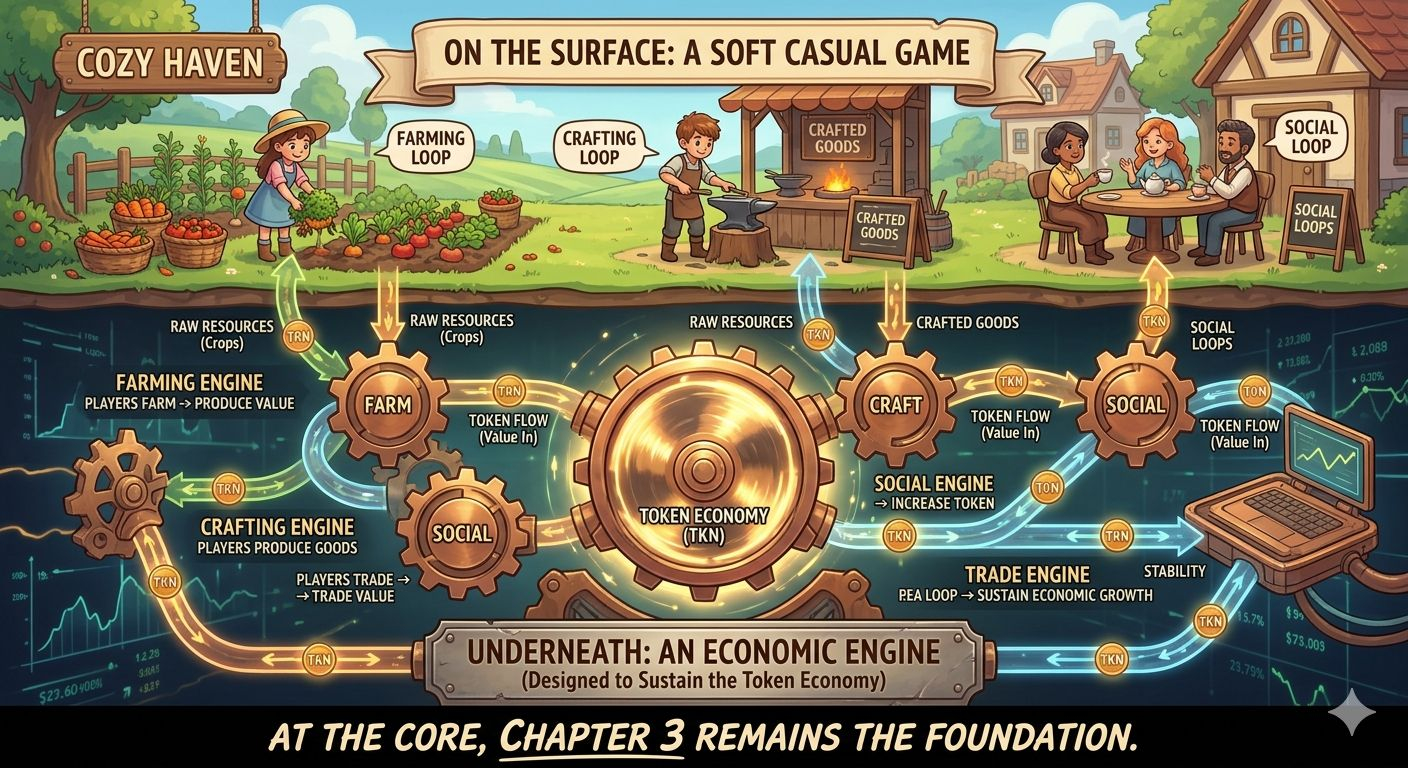
At the core, Chapter 3 remains the foundation. Farming, crafting, social loops, on the surface, it feels like a soft casual game. Underneath, it’s an economic engine. Players farm, produce, trade, and repeat. That loop isn’t just gameplay, it’s designed to sustain the token economy.
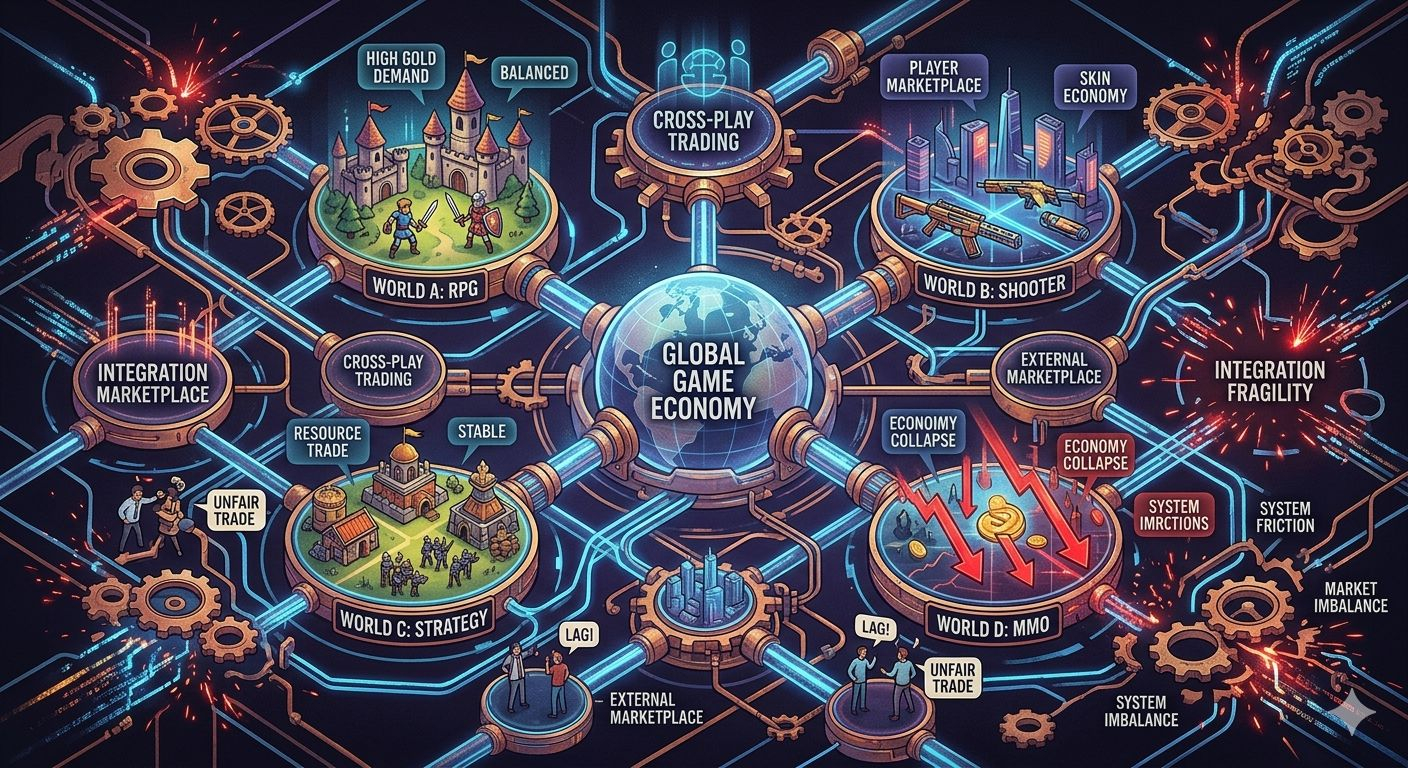
Zoom out, and you’ll notice Pixels is no longer just one game. It’s turning into a hub. Multiple games (with PIXEL staking support) now feed into the same system. Mini-games and external integrations are expanding its reach.
So the real question is: how stable is all this?
There’s no simple answer. Economies like this only hold when utility outweighs speculation. Pixels is moving in that direction, but it’s not fully there yet. Being ranked among top Web3 games is a positive signal, but rankings in this space shift fast. Hype doesn’t guarantee durability.
The real shift is happening at the ecosystem level.
$PIXEL is no longer confined to one environment. It’s flowing into other games like Pixel Dungeons and Forgotten Universe, different genres, same token layer. That’s a bold move toward a cross-game currency.
But it’s also risky.
Each game has its own player behavior and economic rhythm. Demand in one place can create imbalance in another. The more integrations you add, the more fragile the system can become. Expansion brings complexity, and complexity introduces friction.
Then there are the mini-games.
PIXEL is trying to evolve into a utility token, not just a reward. But a large portion of users still operate on an “earn and exit” mindset. That disconnect is a real challenge.
Because sustainable economies aren’t built on extraction, they’re built on participation. And shifting user behavior isn’t something you can force.
So where does that leave Pixels?
Right now, it feels like a transition phase.
On one side, you have a growing ecosystem, multiple games, integrations, NFT layers, all coming together. On the other, the economy is still experimental, not fully stabilized.
Both realities exist at the same time.
Some days, it looks like Pixels could pioneer a new kind of gaming economy. Other days, it feels like it might be overcomplicating itself.
In the end, Pixels isn’t a finished product, it’s an evolving system.
And systems like this depend on two things above all: time and user behavior.
If those align, it could become something significant. If not, it risks becoming just another ambitious experiment.
Right now, it sits in that uncertain middle ground, not hype, not failure… just slowly unfolding.