
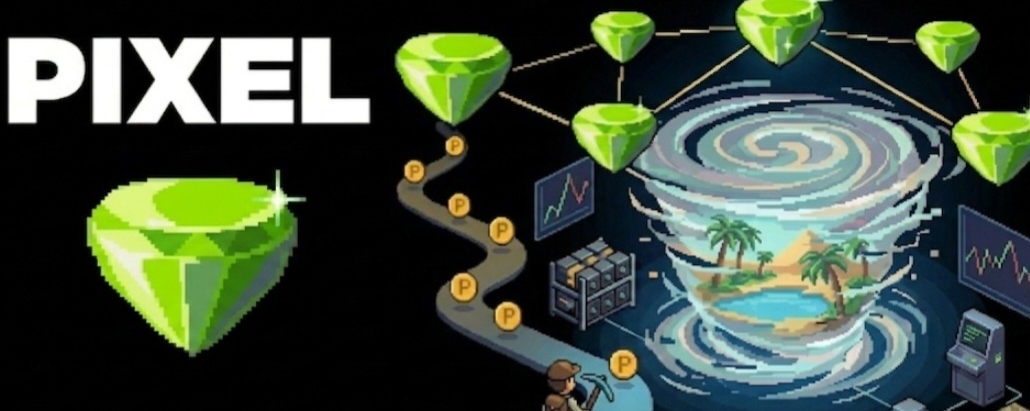

Diving into the world of crypto gaming (GameFi) can feel like walking through a minefield. Many projects pop up with a lot of hype, their token value skyrockets, and a few weeks later, they vanish into silence.
How to know which one has a future?
The answer isn't in "luck", but in the infrastructure and philosophy of their creators.
The big difference between projects that survive and those that die lies in how they manage their internal economy. Games that fail often treat their economy like a mere "trend". They focus on massive launches and inflating the token price to lure in quick investors. Once the initial hype fades, the project is left without support and collapses.
On the flip side, solid projects treat their economy like a real business. They don't rely on empty promises; they base their strategies on concrete data: they analyze how quickly players return on day seven (D7 retention), understand the long-term value each user brings (LTV), and detect early who is losing interest to enhance their experience.
For this to work, the game needs infrastructure, not just pretty and creative designs on paper. This is where the tech operating in the background (like the one developed by Stacked) comes into play. These systems act as an invisible engine that maintains balance: they prevent the coin from losing value due to oversupply and ensure that players always have real reasons to participate.
If you're a user, remember: look for games that prioritize fun and player experience over just betting. A healthy ecosystem is one that is built by solving real problems within the live game, ensuring that your time and effort have solid technical backing.