Here’s your fully rewritten article — clearer structure, smoother flow, and a sharper analytical tone while keeping your core insight intact:
---
Binance Skills Hub Feels Like an Upgrade — Until You Realize What It Connects
I didn’t expect to feel this kind of attention while reading about the latest expansion of Binance’s Skills Hub.
It wasn’t alarm.
Not even skepticism.
It was something quieter — the kind of realization that comes when a “convenience feature” starts to describe a very different relationship between an AI agent and a user’s entire financial activity.
---
From Features to a Full System
The update introduces 13 new AI skills.
On the surface, it’s framed as expanded access:
derivatives trading
yield products
fiat on/off-ramps
lending
portfolio margin
tokenized securities
Each skill is modular. Each handles a specific domain.
And the pitch is simple:
AI agents can now operate across the entire platform — from research to execution, settlement, and portfolio management — without switching tools.
That last part is where things get interesting.
Because “without switching tools” doesn’t just mean convenience.
It means integration.
---
The Shift: Modular Skills, Unified Capital
Individually, each skill makes sense.
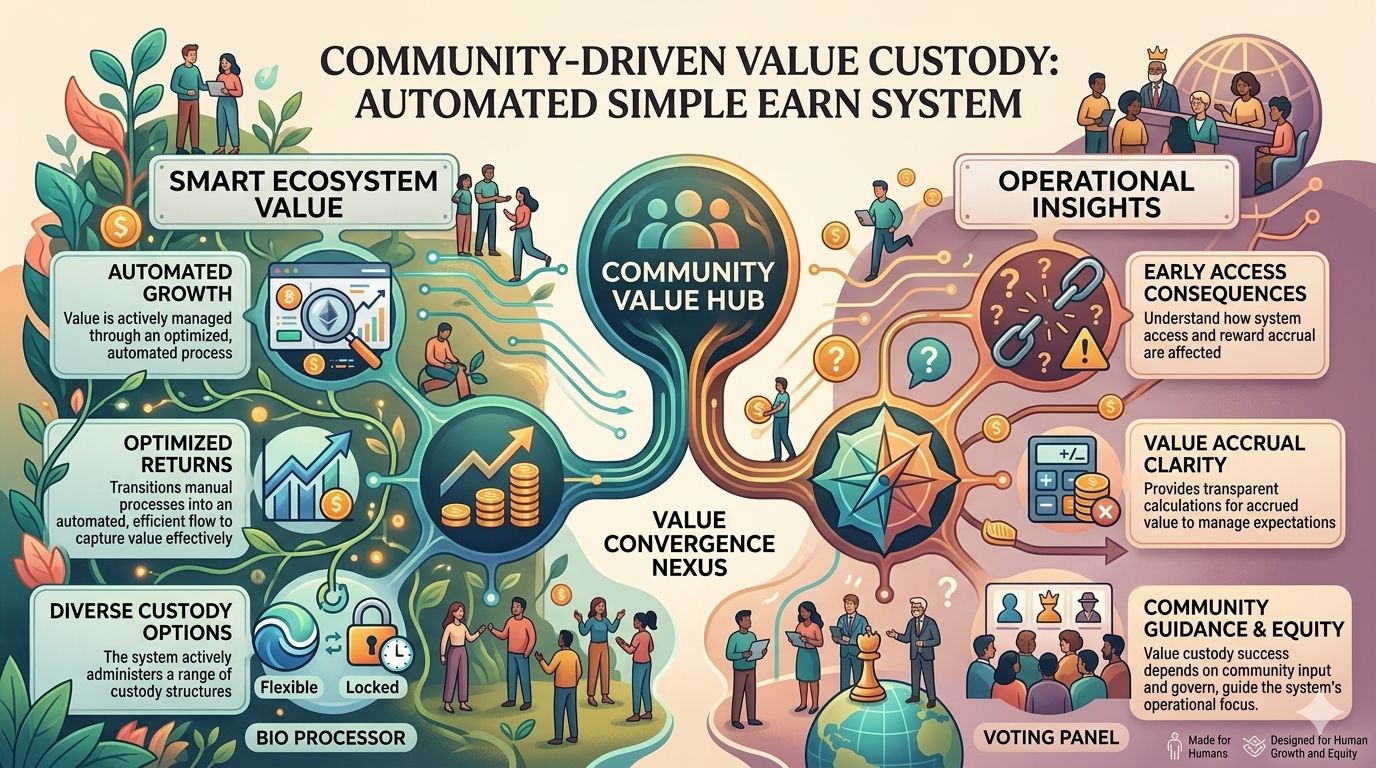
One manages yield (Simple Earn)
One handles leverage and positions (derivatives)
One optimizes collateral (Portfolio Margin)
Each operates within its own logic.
But at the portfolio level, nothing is isolated.
The same capital flows through all of them.
That’s where the gap starts to appear.
A redemption decision from a yield product changes available liquidity.
A leveraged trade changes collateral conditions.
A margin adjustment affects risk exposure across positions.
The skills are modular.
The capital is not.
---
The Real Question: Orchestration
For this system to work, something has to coordinate it.
An orchestration layer.
Because once multiple skills are active, they’re no longer acting independently. Their decisions overlap, interact, and compound.
And that’s where complexity increases.
A derivatives position opening at the same moment a yield product is redeemed isn’t just two separate actions.
It’s a combined capital shift — one that neither system was designed to fully anticipate in isolation.
The challenge isn’t whether each skill works correctly.
It’s whether the system connecting them has been tested under conditions where all of them act at once.
Especially when markets move fast.
---
Permissions: Small Pieces, Larger Surface
There’s also a quieter layer beneath all of this: permissions.
Each skill requires access. Individually, that’s manageable.
But as more skills are enabled — trading, margin, lending, fiat — the overall permission surface expands.
Not because any single permission is risky…
But because the combination creates a broader environment than most users fully consider.
The system becomes more powerful.
But also more complex.
---
Why This Still Matters
Despite the risks, the direction is significant.
What’s being built here isn’t just a collection of tools.
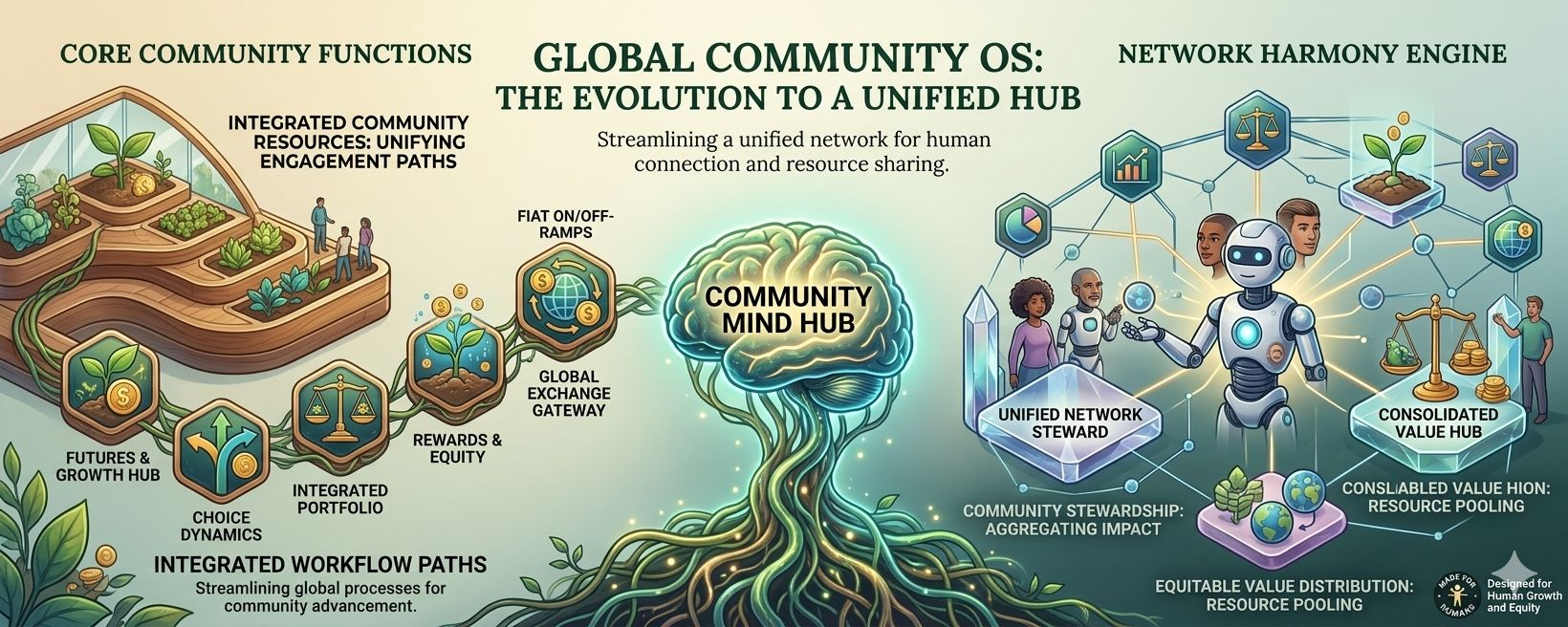
It’s closer to a unified financial operating system — where AI doesn’t just assist with trades, but interacts with the entire lifecycle of capital.
Research, execution, allocation, and management — all connected.
That level of integration is a real step forward.
---
The Open Question
But with that integration comes a different kind of responsibility.
Not just configuring what each skill does…
But understanding how they behave together.
Because in calm conditions, modular systems feel clean.
In volatile conditions, they reveal their edges.
And in this case, the most important question isn’t about capability.
It’s about interaction:
What happens when everything acts at once?