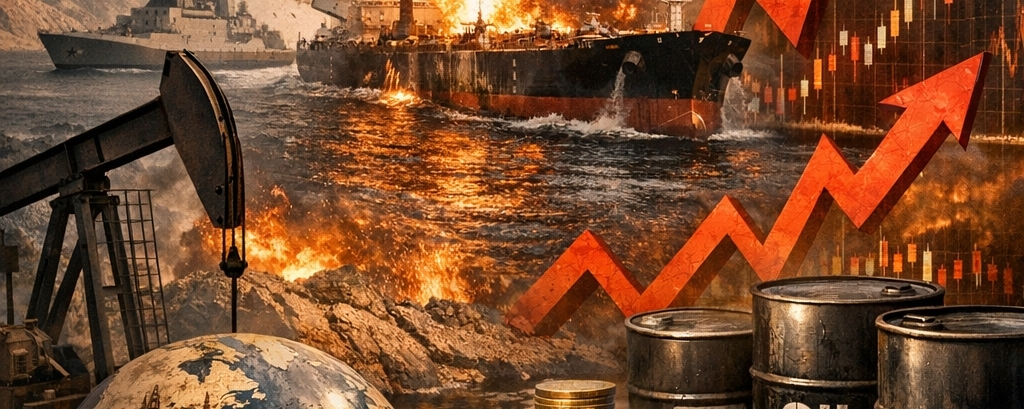
Global energy markets are experiencing a strong bull run, with oil prices climbing for the fifth consecutive day, driven by escalating geopolitical tensions and stalled negotiations between the U.S. and Iran, threatening to delay the return of supplies from the Gulf.
Brent crude has surged to $106 a barrel, racking up nearly 17% weekly gains, while West Texas Intermediate is hovering around $96.5 with a weekly increase of about 15%. This spike reflects a mix of geopolitical anxiety and an actual supply crunch.
The recent escalation, linked to Donald Trump's decisions to continue the naval blockade and tighten military measures, has complicated the scene, especially with near halts in shipping traffic through the Strait of Hormuz, one of the world's vital energy arteries.
📉 A real supply crisis
Estimates indicate that oil production could decline by more than 14 million barrels per day in April, representing a massive supply shock that drives prices up. Analysts believe the market is no longer just reacting to news but is facing an actual shortage of supplies on the ground.
⚠️ Extended risks
Experts in strategic studies centers confirm that the ongoing crisis could lead to prolonged disruptions, with a widening gap between prices in financial markets and the actual reality of supplies.
🎯 The takeaway
The oil markets are entering a sensitive phase; the rise is no longer just a temporary reaction but a direct result of the imbalance between supply and demand. The future of prices will remain tied to developments in the conflict and negotiations, opening the door to more volatility and potentially new all-time highs.