
A few years back, crypto was all about speculation and 'buying the dip'. By 2026, more folks are using it not just for the charts, but in everyday life. This is where it really shows how crypto is way more convenient than banks.
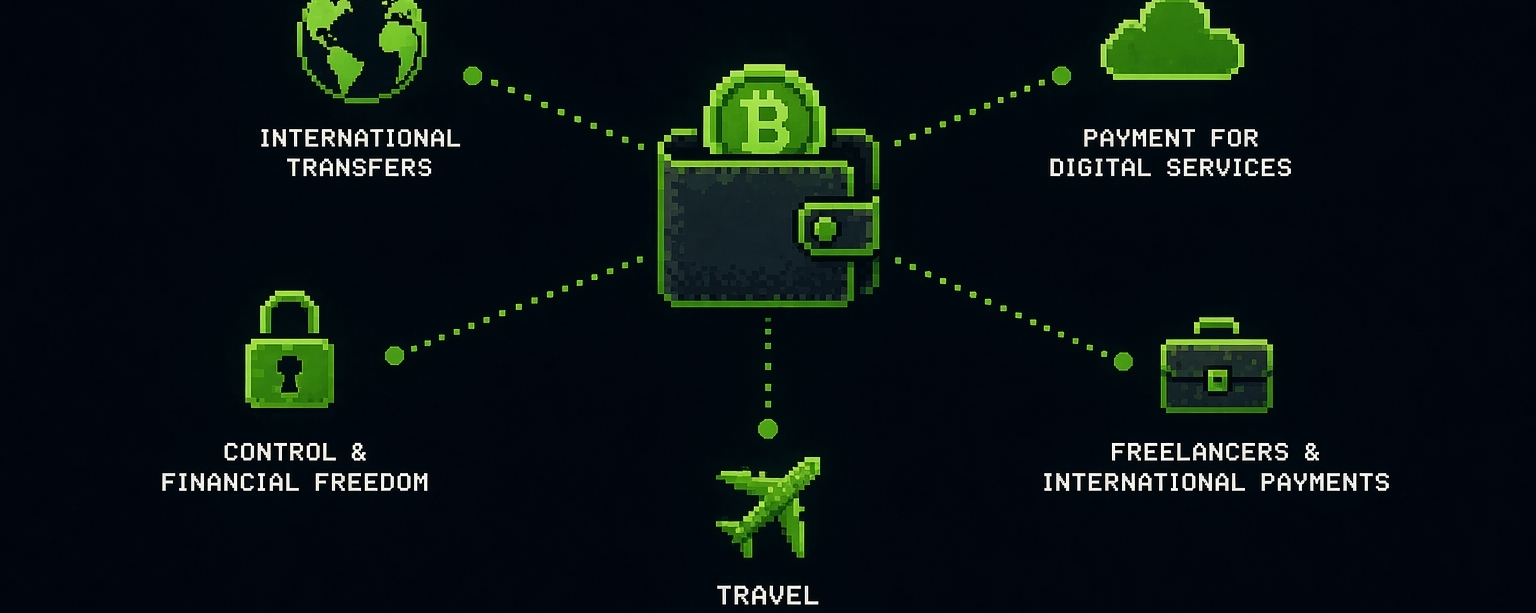
First up is international transfers. In the past, sending money to another country could take days, come with hefty fees, and raise questions from the bank. But now, stablecoins allow you to send funds in minutes. For freelancers, remote teams, and families spread across different countries, this is no longer theory—it's a daily tool.
Next is the payment for digital services. VPNs, hosting, domains, servers, subscriptions to work tools—all of these can increasingly be paid for with cryptocurrency. In many cases, it's faster than entering card details, especially if the bank blocks international transactions or requires verification.
Thirdly, it's about storing capital outside the banking system. For many users, this is no longer about yield, but about control. A crypto wallet allows you to manage access to your funds directly, without withdrawal limits, banking hours, or dependency on third-party decisions.
It's worth noting the payments for freelancers and international clients. Paying in USDT or USDC often proves to be more convenient than a SWIFT transfer: fewer delays, lower fees, and no unnecessary bureaucracy.
And perhaps the most practical scenario is travel. When a person is moving between countries, crypto becomes a backup financial tool. Even if a card temporarily stops working or the bank restricts transactions, funds remain accessible through a wallet.
The main takeaway by 2026 is clear: cryptocurrency is no longer just an investment asset; it’s becoming part of everyday financial infrastructure. Where banks are hampered by borders, operating hours, and restrictions, crypto often proves to be faster, more convenient, and freer.