
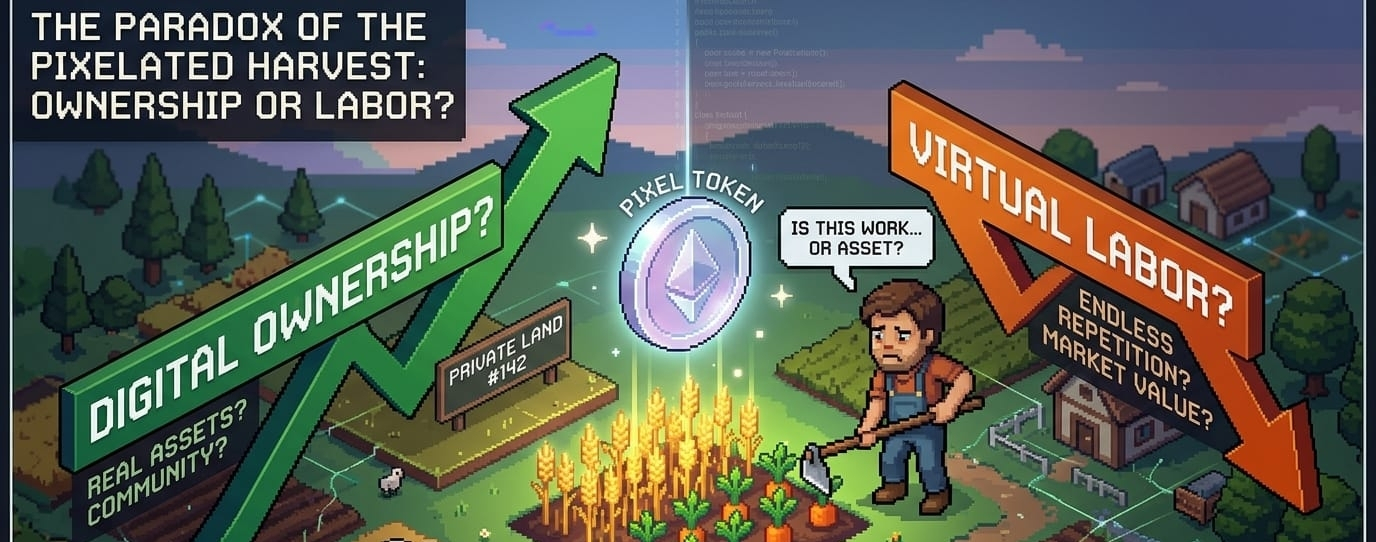
The digital world is currently facing a quiet crisis of "artificial life." We have built thousands of virtual spaces, yet they often feel like ghost towns populated by automated scripts rather than human souls. When we look at the history of blockchain gaming, we see a graveyard of projects that tried to solve the "ownership problem" but ended up creating something far more mechanical: digital sweatshops. The core issue was never just about who owns the assets; it was about whether those assets have any meaning beyond their exit price.
In the previous era of GameFi, the industry operated on a flawed assumption that players would stay as long as they were being paid. This created an unsustainable environment where "playing" was actually just "extracting." These early ecosystems remained unresolved because they relied on a cycle of endless inflation to keep the lights on. Once the novelty wore off and the rewards thinned, the emptiness of the world became impossible to ignore. There was no culture to hold the community together, only a shared desire to sell.
Pixels presents itself as a different experiment, focusing on "social soil" rather than just digital farming. By shifting its infrastructure to the Ronin Network and streamlining its economy around a single token, it attempts to bridge the gap between a casual hobby and a persistent digital identity. The design choice here is subtle but significant: it prioritizes reputation over raw resources. In this ecosystem, your standing in the community is meant to be as valuable as the items in your inventory. It moves the focus away from a "click-to-earn" loop and toward a "contribute-to-belong" model.
However, we must critically examine the structural reality beneath the charming, pixelated surface. While the project aims for sustainability, it inadvertently creates a new form of digital feudalism. Those who own the "Land" act as the primary governors of the economy, while the landless majority must trade their time for a chance at upward mobility. This design may solve the problem of hyper-inflation, but it replaces it with a rigid hierarchy. The game becomes a meritocracy only for those who have the time or the capital to bypass its initial barriers.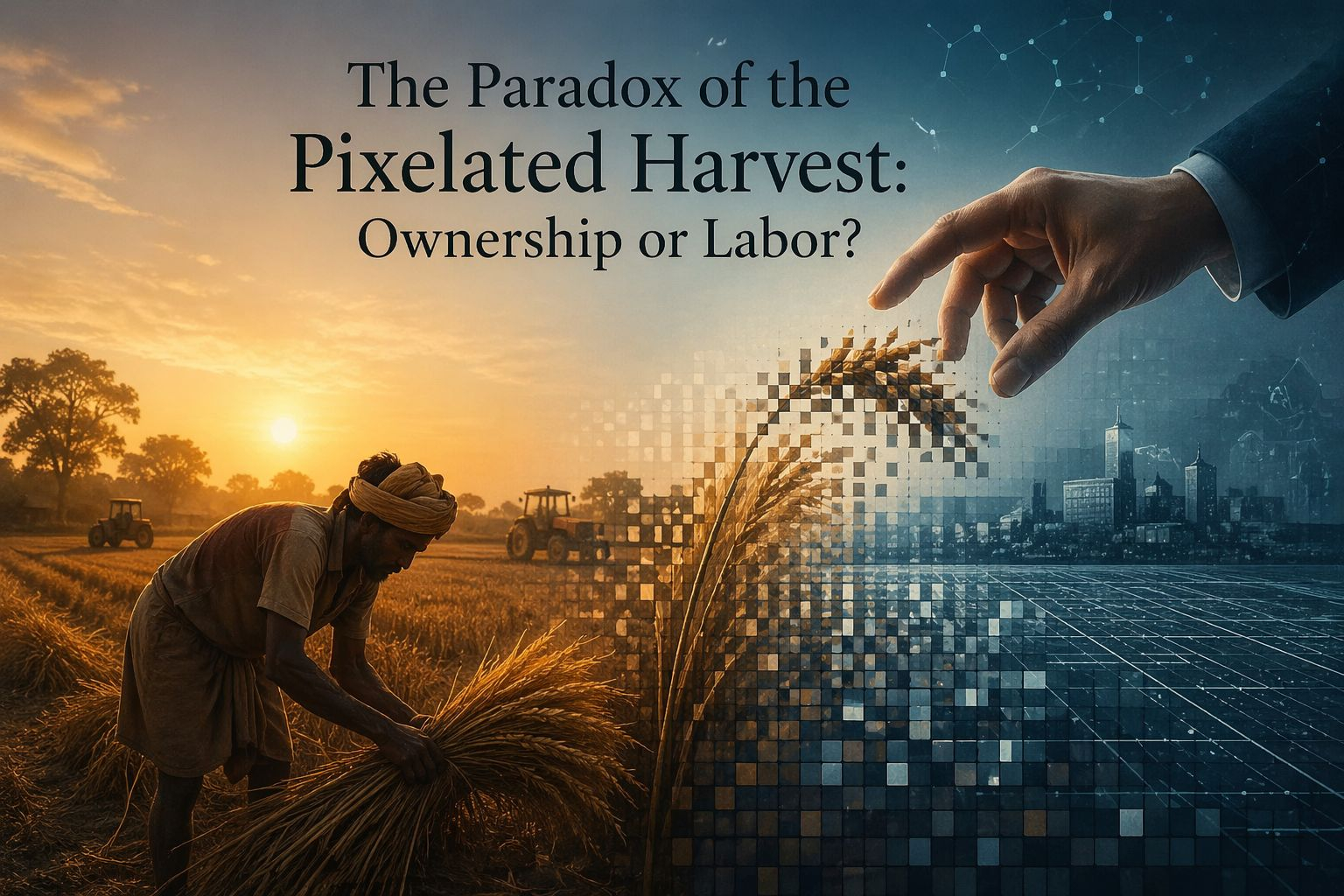
Furthermore, there is a limit to how much "social" can be forced into a system that is still fundamentally financial. When social interactions are tied to economic reputation scores, do they remain authentic? The risk is that we are not building a game, but a more sophisticated labor market. This project benefits the disciplined and the early-adopters, but it may exclude the very people who just want to escape the pressures of a productive life for an hour or two.
As we move deeper into this era of integrated digital economies, we are forced to ask: if we successfully turn our leisure time into a measurable asset, have we actually gained ownership of our digital lives, or have we simply forgotten how to