


I caught it while reviewing my farm cycle logs—automation upgrades were working, crafting queues were full, and output had clearly increased. But when I checked my actual gains over time, the growth wasn’t matching the production. More activity, same outcome. That’s usually a sign the system isn’t being used correctly, even if everything looks efficient.
Pixels is built in a way where automation and advanced crafting don’t guarantee progress—they just increase potential. Once you unlock higher-tier tools and processes, the game stops being about effort and starts being about decisions. What you produce, when you produce$PIXEL it, and where it flows next matters more than how much you produce.
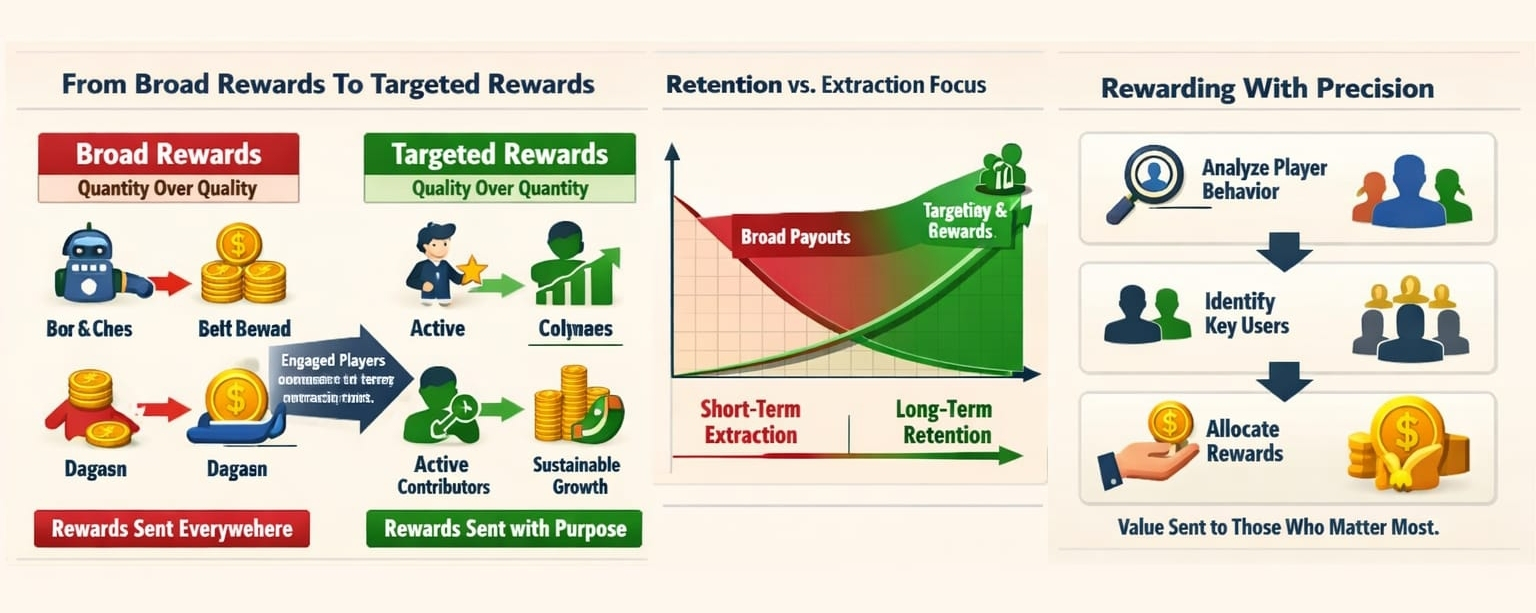
This connects directly to player behavior. Some players rely on automation to scale output but don’t adjust their strategy. Others start optimizing—linking farming cycles with crafting demand, reinvesting into upgrades, and controlling how resources circulate. @Pixels Over time, the difference becomes obvious. One group stays busy, the other actually grows.
Earning in Pixels follows the same pattern. Tokens come in through activity, but real value comes from how those tokens are used. If they’re spent on upgrades or fed back into production, they strengthen your position. If not, they just pass through.
What I’ve learned is simple: Pixels doesn’t reward volume—it rewards alignment between systems and decisions. #pixel