
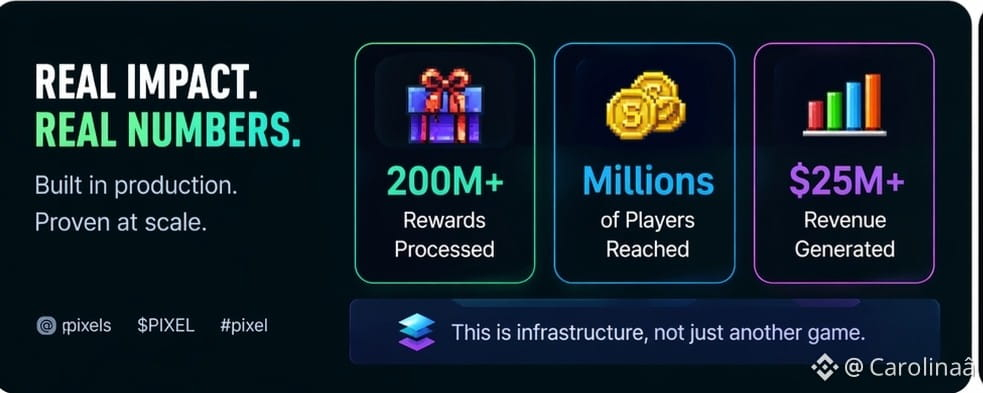
I always thought the breaking point in GameFi systems was when rewards ran out. That’s what most people talk about — emissions, sustainability, token pressure.
But after watching Pixels more closely, I started questioning that assumption.

The real cracks don’t show when rewards stop.
They show when rewards continue… but behavior starts changing.
At first, I approached $PIXEL like any other token tied to a game economy. Measure inflow, outflow, player growth, retention curves — the usual checklist. It looked solid on the surface.

But something didn’t align.
Players weren’t just reacting to rewards. They were adapting to them. Quietly. Gradually. Almost like the system was training them… and they were training the system back.
That’s where my understanding started to feel incomplete.

Because if players learn how to behave optimally, then every reward becomes predictable. And once predictability enters, exploitation follows. Not aggressively — subtly.
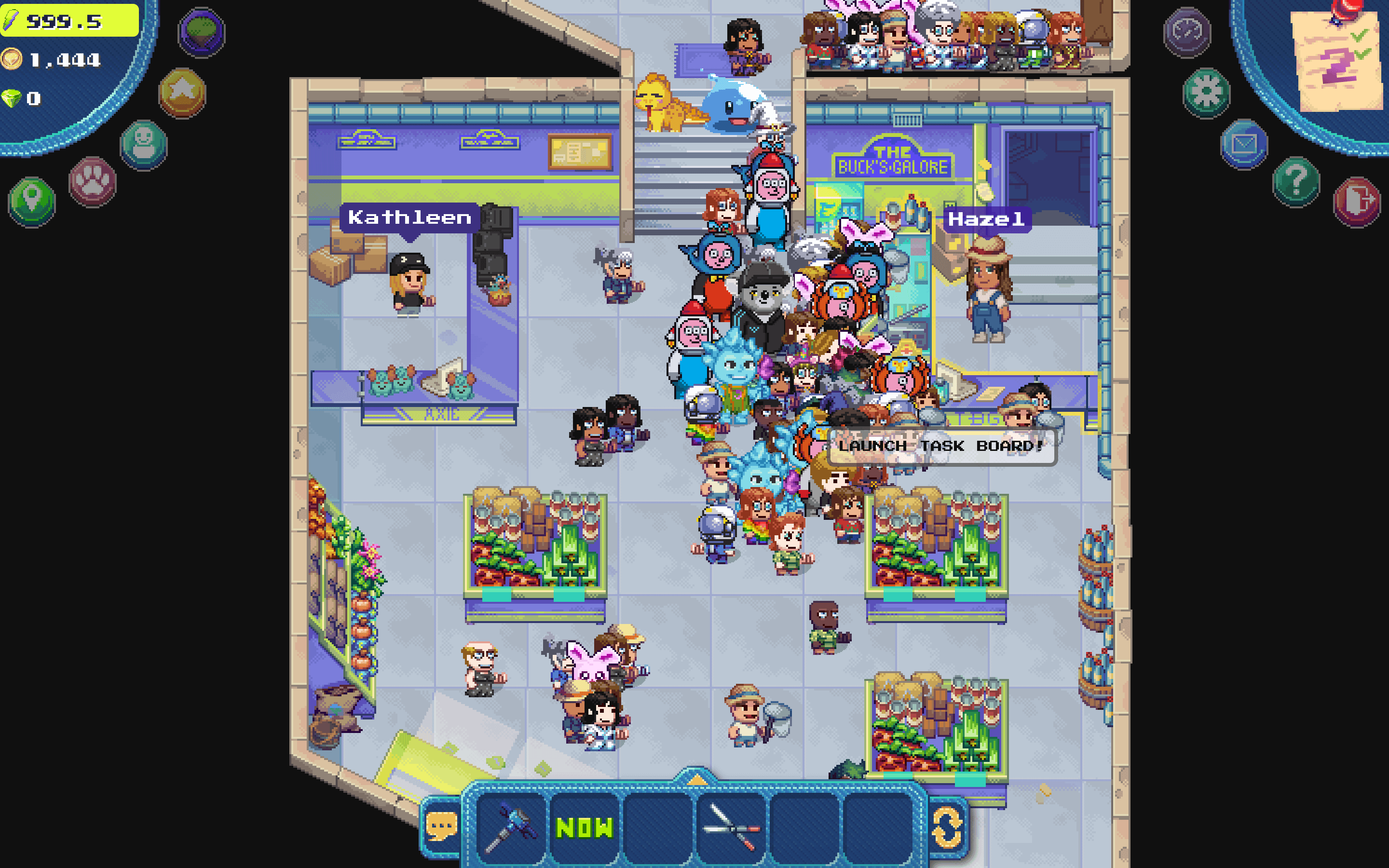
Stacked feels like a response to that problem. Not by increasing rewards, but by changing when and why they appear.
Which leads me to something I can’t fully answer yet…
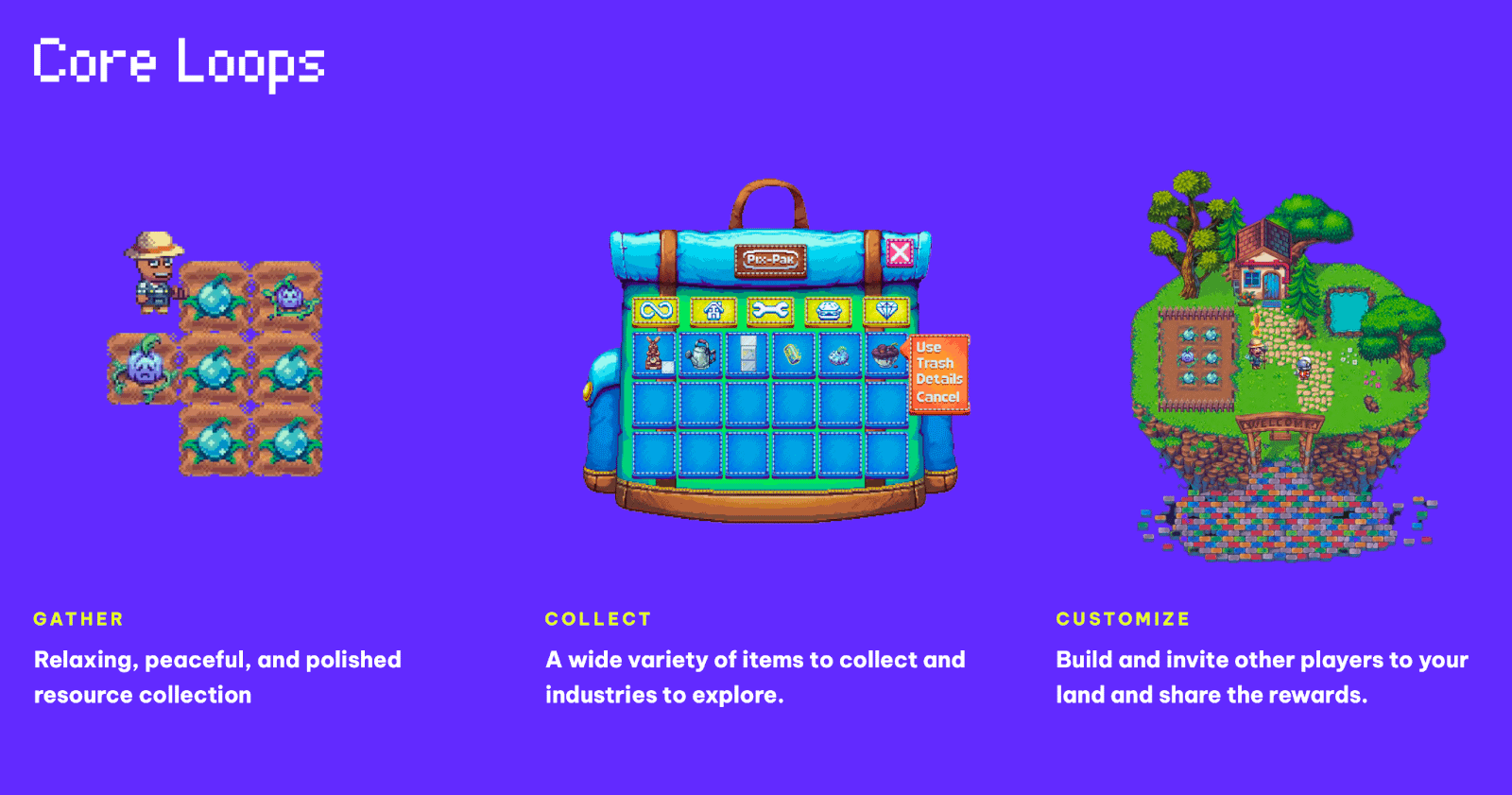
If a system becomes good enough at predicting human behavior,
does it still reward players…
or does it start managing them?